
Pain in the Butt: Is Your Sciatica Acting Up?
Written & medically reviewed by Dr. Michael St. Louis, D.C.
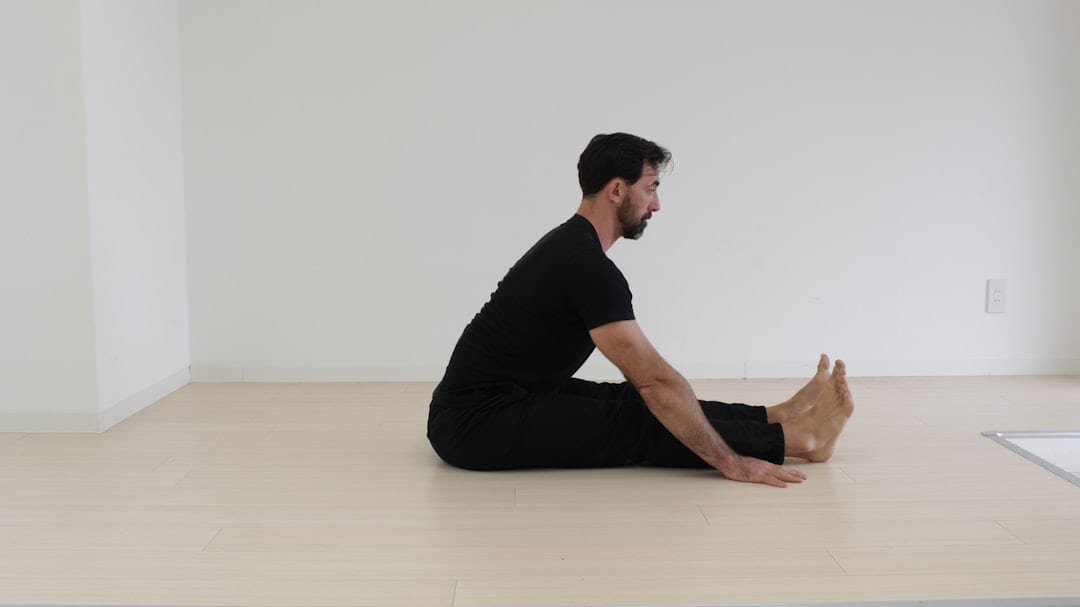
Sciatica buttock pain is caused by irritation or compression of the sciatic nerve — the longest nerve in the body — and relief often comes from identifying and correcting the underlying structural problem rather than masking the symptom. Whether your pain is a dull ache deep in the gluteal muscles or a sharp, electric-shock sensation that shoots down your leg, understanding what is driving it is the first step toward lasting comfort.
Key Takeaways
- Sciatica is not a diagnosis in itself — it is a symptom of an underlying nerve compression or irritation, most commonly originating in the lumbar spine or pelvis.
- Buttock pain, leg tingling, numbness, and weakness are classic signs; symptoms typically affect one side of the body.
- Common causes include herniated discs, spinal stenosis, piriformis syndrome, and postural imbalances that place uneven stress on the spine and pelvis.
- Atlas Orthogonal upper cervical chiropractic care addresses the root structural causes of nerve interference — including spinal misalignment that begins at the very top of the spine.
- Most people with sciatica can be helped conservatively; see a qualified provider promptly if you experience severe or progressive weakness, or any loss of bladder or bowel control.
What Is Sciatica — and Why Does It Cause Buttock Pain?
The sciatic nerve is formed by nerve roots that exit the lumbar spine (L4–S3) and travel through the deep muscles of the buttock, down the back of the thigh, and all the way to the foot. Because the nerve runs directly through or beside the piriformis muscle in the gluteal region, any compression along that path — whether in the spine itself or in the soft tissue of the buttock — can produce the hallmark burning, aching, or shooting pain most people recognize as sciatica.
When people describe a "deep butt pain" that is hard to pinpoint, feels worse sitting, and occasionally radiates toward the hip or down the leg, the sciatic nerve is almost always involved. The Mayo Clinic notes that sciatica most commonly affects people between the ages of 30 and 50 and is frequently related to age-related changes in the spine — though younger, active individuals are certainly not immune.
What Does Sciatica Feel Like? Recognizing the Symptoms
Sciatica has a distinct symptom profile that sets it apart from ordinary muscle soreness or hip bursitis:
- Deep, aching buttock pain — often worse on one side, sometimes described as a "toothache" in the glute
- Shooting or burning pain that travels from the low back or buttock down the back of the thigh and into the calf or foot
- Tingling or "pins and needles" in the leg, calf, or foot
- Numbness in portions of the leg or foot
- Weakness in the affected leg — difficulty lifting the foot or rising from a chair
- Pain that worsens with sitting, prolonged standing, or certain movements like bending forward
- Relief when walking or lying down in some positions
It is important to note that sciatica symptoms vary widely. Some people experience only buttock pain; others feel it predominantly in the calf or foot. The location of symptoms often gives a trained clinician clues about exactly which nerve root is being compressed.
When Is Buttock Pain an Emergency?
Seek immediate medical attention if your sciatica-like pain is accompanied by sudden, severe weakness in both legs, or any loss of bladder or bowel function. These symptoms can indicate cauda equina syndrome, a rare but serious condition requiring urgent care. The NIH / MedlinePlus resource on sciatica lists these "red flag" symptoms as reasons to seek emergency evaluation without delay.
What Causes Sciatica Buttock Pain?
Herniated or Bulging Disc
The most common culprit. When the soft interior of a spinal disc pushes through its outer casing, it can press directly on a nerve root as it exits the spine. Even a small disc bulge at L4–L5 or L5–S1 can generate intense sciatic symptoms that radiate deep into the buttock.
Spinal Stenosis
Narrowing of the spinal canal — often the result of arthritic bone spurs or thickened ligaments — can squeeze nerve roots at multiple levels, producing sciatic symptoms that are often worse with walking and relieved by sitting or bending forward.
Piriformis Syndrome
The piriformis muscle sits directly over the sciatic nerve in the buttock. When this muscle is tight, inflamed, or in spasm (due to overuse, trauma, or prolonged sitting), it can compress the nerve and mimic — or worsen — disc-related sciatica. This is a frequently overlooked contributor to persistent buttock pain.
Sacroiliac Joint Dysfunction
The SI joint connects the sacrum to the pelvis and, when misaligned or inflamed, can produce pain patterns nearly identical to true disc-related sciatica.
Postural Imbalances and Spinal Misalignment
Poor posture, an anterior pelvic tilt, or leg-length discrepancy can shift load asymmetrically through the lumbar spine and pelvis — setting the stage for disc stress and nerve irritation over time. This is where the relationship between spinal alignment from head to pelvis becomes especially important.
How Does Upper Cervical Chiropractic Care Help Sciatica?
It may seem counterintuitive: if the pain is in your lower back and buttock, why would the top of your spine matter? Here is the clinical reasoning.
The atlas (C1) — the uppermost vertebra — sits at the base of the skull and houses the brainstem. When the atlas is even slightly misaligned, the body compensates by shifting weight and muscle tension all the way down the spine. This compensatory pattern can increase stress on the lumbar discs and facet joints, alter pelvis mechanics, and ultimately contribute to the nerve compression that produces sciatica. Think of a building with a crooked foundation: the structural problems do not stay in the basement.
Atlas Orthogonal (AO) chiropractic is a highly precise, instrument-based technique that uses detailed X-ray analysis to measure atlas misalignment to fractions of a degree. Rather than a manual "crack," the AO adjustment uses a gentle, percussion-type instrument that delivers a targeted, low-force correction — making it appropriate for patients of many ages and sensitivities. Once the atlas is restored to its correct position, the compensatory tensions throughout the spine begin to resolve, reducing pressure on the lumbar nerve roots responsible for sciatic symptoms.
In addition to atlas correction, upper cervical chiropractors at Atlas Injury to Health evaluate the entire spinal column for related contributors to sciatic pain — including lumbar disc issues, SI joint dysfunction, and piriformis involvement — and may incorporate adjunct soft-tissue work, corrective exercises, and postural guidance as part of a comprehensive care plan. The American Chiropractic Association recognizes chiropractic care as a well-established conservative approach to managing sciatica and related low back conditions.
What to Expect at Atlas Injury to Health
Your first visit begins with a thorough consultation and health history — your provider will want to know exactly where your pain is, what makes it better or worse, and how long you have been dealing with it. This is followed by a neurological and orthopedic examination designed to identify the likely source and level of nerve involvement.
Specific digital X-rays of the upper cervical spine are taken and analyzed using the precision measurements that define the Atlas Orthogonal protocol. Based on these findings, your chiropractor will walk you through exactly what they found, why it matters for your sciatica symptoms, and what your individualized care plan looks like.
Most patients with sciatica require a series of visits — not a single adjustment — to allow the spine and supporting musculature to stabilize in correct alignment. Progress is monitored carefully, and the care plan adapts as you improve.
Is Upper Cervical Chiropractic Care Safe for Sciatica?
Atlas Orthogonal adjustments are among the gentlest in chiropractic — there is no forceful twisting or popping of the spine. The technique is grounded in precise measurement and uses instrument delivery rather than manual thrust, making it a low-risk option for most patients. As with any healthcare intervention, your provider will review your health history and imaging to confirm that chiropractic care is appropriate for your specific situation and will refer you to other specialists when needed.
Frequently Asked Questions
How do I know if my buttock pain is sciatica or something else?
True sciatica typically involves radiating pain, tingling, or numbness that travels from the buttock into the leg, following the path of the sciatic nerve. Pain that stays only in the buttock and does not radiate could be related to the SI joint, piriformis syndrome, hip pathology, or referred pain from the lumbar facets. A thorough examination — including orthopedic and neurological testing — is the most reliable way to differentiate these conditions.
Can sitting at a desk all day cause sciatica?
Prolonged sitting increases pressure on the lumbar discs and can compress the piriformis muscle against the sciatic nerve, making it a significant contributing factor. Poor workstation ergonomics and a forward head posture compound the problem by shifting the entire spinal load unfavorably.
How long does sciatica take to improve with chiropractic care?
This varies considerably depending on the underlying cause, how long the condition has been present, and individual health factors. Some patients notice meaningful improvement within a few weeks; others with more chronic disc changes or spinal stenosis require a longer course of care. Your provider will give you realistic expectations based on your specific findings.
Can sciatica come back after chiropractic treatment?
Yes — especially if the lifestyle factors that contributed to it (sedentary habits, poor posture, unresolved spinal imbalances) are not addressed. Maintenance visits, home exercises, and ergonomic adjustments are important parts of preventing recurrence.
Is sciatica during pregnancy treated differently?
Pregnancy places significant mechanical stress on the lumbar spine and SI joints, and sciatica is a common complaint, particularly in the second and third trimesters. Atlas Orthogonal and upper cervical chiropractic care can be adapted safely for pregnant patients. Your provider will use positioning modifications and avoid techniques that are contraindicated during pregnancy.
For a fuller picture of how we evaluate and care for this condition, see our sciatica page, our low back pain page, and — for Marion County patients — our Ocala sciatica care page.
If that deep, nagging buttock pain has been holding you back — whether it shoots down your leg, keeps you up at night, or just makes sitting through a workday miserable — you do not have to keep guessing at the cause. The team at Atlas Injury to Health is here to help you find real answers and a clear path forward. With clinics in Winter Garden and Ocala, Florida, we specialize in the precise, gentle Atlas Orthogonal approach to upper cervical care that gets to the structural root of sciatic pain. Reach out today to schedule your consultation and take the first step toward a life with less pain — and more freedom to move.
Related Articles
Can a Chiropractor Make Sciatica Worse?
Yes, chiropractic care can worsen sciatica — but only when the wrong techniques are applied to the wrong diagnosis. Here's what to know.
5 Sciatica Symptoms That Require Chiropractic Treatment
Certain sciatica symptoms signal it's time to see a chiropractor — learn the 5 key warning signs and how upper cervical care can help.
Sciatica Pain and How You Can Fix It
Sciatica pain can be debilitating, but the right approach — including upper cervical chiropractic care — can relieve it at the source.
Ready to take the next step?
Schedule a consultation to see how Atlas can help you.
Schedule a Consultation