
Pinched Nerve
Expert pinched nerve treatment that identifies the source of nerve compression and restores proper neural function — naturally and without surgery.
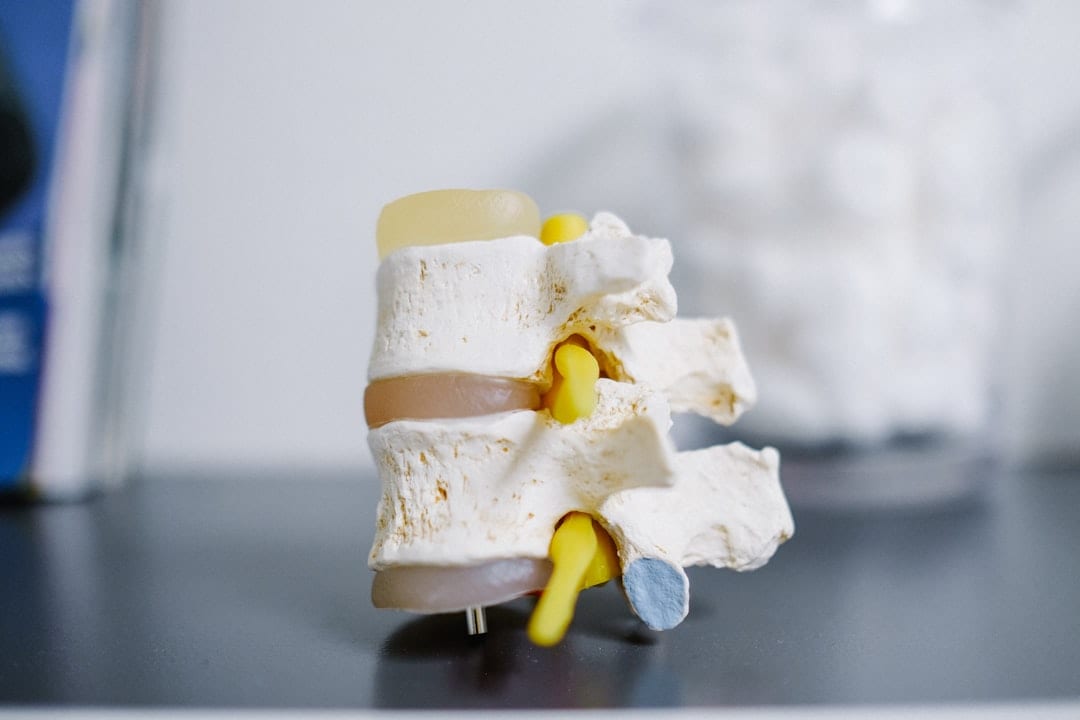
Common Symptoms
- Sharp, burning, or radiating pain from the compression site
- Numbness or tingling in the hands, feet, arms, or legs
- Muscle weakness in the affected area
- "Pins and needles" sensation
- Pain that worsens with certain movements or positions
- Loss of balance or coordination
- Intermittent aching that spreads from the original site
- Reduced grip strength or difficulty with fine motor tasks
Common Causes
- Spinal subluxation: Vertebral misalignment putting direct pressure on adjacent nerves
- Bulging or herniated discs: Disc material compressing nerve roots
- Arthritis: Joint degeneration and abnormal spine curvature leading to nerve compression
- Muscle strain and trigger points: Overexertion or trauma creating muscular compression on nerves
- Poor posture: Chronic positional stress creating nerve impingement
- Repetitive motion: Overuse injuries compressing peripheral nerves
- Spinal stenosis: Narrowing of the spinal canal crowding nerve roots
- Stress and tension: Chronic muscular contraction patterns compressing nerves
How Atlas Treats Pinched Nerve
We treat pinched nerves by eliminating the structural source of compression — whether it's a subluxation, disc injury, muscular tension, or arthritis-related narrowing.
Our integrated protocol includes:
- Atlas Orthogonal precision adjustments to restore spinal alignment and relieve nerve pressure at the source
- SoftWave Tissue Regeneration Therapy to reduce inflammation and promote cellular repair
- Targeted massage and trigger point release to eliminate muscular nerve compression
- Custom therapeutic exercises to strengthen supporting structures and prevent recurrence
A chiropractic adjustment can immediately mobilize the spine to relieve pain and symptoms. From there, we address the root cause so the nerve compression doesn't return.
When a pinched nerve goes untreated, pain worsens over time and becomes increasingly difficult to resolve. Early treatment produces the fastest and most complete recovery.
Your nervous system is the master communication network of your body — the brain, spinal cord, and over 100 million peripheral nerve fibers controlling every movement, sensation, organ function, and healing response. When pressure on any section of a nerve disrupts that communication, the effects can be immediate and wide-ranging. At Atlas Injury to Health, our approach to pinched nerve treatment goes beyond managing symptoms: we identify exactly where compression is occurring and eliminate it at the source, using precise, non-surgical care tailored to your spine and your life.
What Is a Pinched Nerve?
A pinched nerve — clinically referred to as nerve compression or radiculopathy — occurs when surrounding tissue places excessive pressure on a nerve. That tissue can be bone, a herniated or bulging disc, thickened ligament, inflamed muscle, or a combination of factors. The compression interferes with the nerve's ability to transmit electrical signals, which is why the symptoms can show up far from the actual problem site.
The spine is the most common location for nerve compression because it houses the spinal cord and the nerve roots that branch outward to every region of the body. However, peripheral nerves in the wrist, elbow, hip, and knee can also become pinched.
Common Signs and Symptoms
The symptoms of a pinched nerve depend on which nerve is affected and how severely it is compressed:
- Sharp, burning, or aching pain along the nerve's path — for example, from the lower back down the leg (sciatica) or from the neck down the arm
- Numbness or reduced sensation in the hands, fingers, feet, or toes
- Tingling or "pins and needles" sensations
- Muscle weakness in the affected limb
- Loss of reflexes in the involved area
- Postural changes as the body unconsciously shifts to relieve pressure
Symptoms may be constant or intermittent, and they often worsen with certain positions, movements, or prolonged sitting.
Common Causes of Nerve Compression
Understanding the underlying cause is essential to effective treatment. The most frequent contributors include:
- Herniated or bulging discs — the soft inner material of a spinal disc pushes outward and presses against a nearby nerve root
- Spinal misalignment (subluxation) — even a subtle shift in vertebral position can narrow the space through which nerves travel
- Degenerative disc disease or bone spurs — age-related changes that reduce the space available for nerves
- Muscle tension and trigger points — chronically tight muscles, particularly the piriformis or scalene muscles, can compress peripheral nerves directly
- Carpal tunnel syndrome — compression of the median nerve at the wrist, often aggravated by repetitive motion
- Postural stress — forward head posture and prolonged poor positioning increase mechanical load on cervical and lumbar nerve roots
Because so many structures can contribute to compression, a thorough diagnostic workup — not a one-size-fits-all approach — is the foundation of effective care.
How Atlas Orthogonal and Upper Cervical Chiropractic Care Help
The atlas vertebra (C1) sits at the very top of the spine, directly beneath the brainstem. Even a small misalignment here can alter the mechanics of the entire spinal column, creating tension and compression that travel downward through every subsequent spinal level. Atlas Orthogonal care uses a precise, instrument-based adjustment — gentle enough that most patients feel no discomfort — to restore the atlas to its correct position. When the top of the spine is properly aligned, the rest of the vertebrae have the opportunity to rebalance, reducing nerve pressure throughout the neck, mid-back, and lower back simultaneously.
Specific chiropractic adjustments at other spinal levels complement atlas work by restoring normal segmental motion, reducing joint inflammation, and creating the space nerve roots need to function without interference. Our philosophy is straightforward: when the body's structural systems function optimally, the nervous system can do its job, and healing follows naturally.
Our Pinched Nerve Treatment Protocol
Comprehensive Consultation and Examination
Every treatment plan begins with a thorough patient history, review of current medications, physical examination, and orthopedic and neurological testing to pinpoint the exact location and cause of nerve compression. Digital X-rays allow us to visualize spinal alignment with precision. Laboratory tests may be ordered when needed to rule out systemic conditions such as diabetes-related neuropathy or inflammatory arthritis.
Atlas Orthogonal and Specific Chiropractic Adjustments
Precise spinal adjustments restore normal motion, reduce joint inflammation, and — most importantly — eliminate the structural pressure interfering with nerve function. Because Atlas Orthogonal corrections require no forceful manipulation, they are appropriate for patients of all ages and health backgrounds, including those who have had previous spinal surgeries.
Custom Therapeutic Exercise
Movement accelerates healing. We design exercise programs specific to each patient's condition, goals, and fitness level. These programs strengthen muscles that support the spine, relax chronically tense structures that may be contributing to compression, improve stability, and encourage healthy nerve conduction — reducing the risk of reinjury and long-term degeneration.
Massage Therapy and Trigger Point Release
Trigger points and chronically shortened muscles can compress nerves just as effectively as structural disc injuries. Our targeted soft-tissue techniques release muscular tension, restore normal tissue length, improve circulation around the affected nerve, and complement spinal adjustments for faster, more complete relief.
SoftWave Tissue Regeneration Therapy
For patients with significant inflammation or stubborn nerve-related pain, we offer advanced regenerative therapy. SoftWave therapy uses unfocused shockwave energy to stimulate the body's own cellular repair processes, reduce inflammation, and promote tissue healing — often in sessions of 15 minutes or less.
What to Expect at Atlas Injury to Health
Your first visit focuses entirely on understanding your history and identifying the precise cause of your nerve compression — nothing is assumed. Once your examination is complete, we review your findings with you in detail and outline a personalized care plan with realistic goals and timelines. Most patients begin noticing changes within the first several visits, though the pace of improvement depends on the severity and duration of the compression, as well as contributing lifestyle factors.
We also work closely with your primary care physician or specialist when appropriate, and we will refer you promptly if imaging or examination reveals a condition that requires surgical consultation.
When to Seek Care Promptly
Most pinched nerves respond well to conservative care. However, certain symptoms warrant urgent evaluation:
- Progressive muscle weakness or sudden loss of strength in a limb
- Loss of bladder or bowel control (a potential sign of spinal cord compression requiring emergency attention)
- Numbness in the groin or inner thighs ("saddle anesthesia")
- Symptoms following a significant trauma such as a fall or auto accident
If you are experiencing any of these, seek emergency medical care immediately.
Frequently Asked Questions
Q: Can a pinched nerve heal on its own?
Mild nerve compression sometimes resolves with rest and activity modification, particularly when caught early. However, if the underlying structural cause — such as a spinal misalignment or herniated disc — is not addressed, symptoms frequently return or worsen over time. Identifying and correcting the root cause gives your body the best opportunity for lasting recovery.
Q: Is Atlas Orthogonal adjustment safe for someone with a herniated disc?
Yes. The Atlas Orthogonal instrument delivers a very light, precise force — there is no twisting or thrusting of the neck or spine. Many patients with herniated discs, degenerative disc disease, or prior spinal surgeries receive Atlas Orthogonal and specific chiropractic care safely and effectively.
Q: How many visits will I need before I feel better?
This varies based on how long the nerve has been compressed, the severity of the structural problem, and your overall health. During your initial consultation, Dr. St. Louis will give you a clear picture of what to expect based on your specific findings — we believe in transparent, goal-oriented care plans, not open-ended treatment.
Relief from a pinched nerve starts with finding its true source. If you are ready to address the cause — not just the symptoms — we invite you to schedule a consultation at our Winter Garden or Ocala clinic today.
Watch & Learn
Videos related to Pinched Nerve.

Why Is It Important to See a Chiropractor After a Car Accident?
Even a minor fender bender can cause disc injury and brainstem-affecting misalignment — here's why upper cervical chiropractic care matters after any car accident.
Watch →
What are the Traumatic Effects of Birth?
Birth may be your baby's first trauma — atlas misalignment from delivery can cause earaches, torticollis, and colic that most parents never connect to the spine.
Watch →