Spinal Stenosis
Non-surgical spinal stenosis management that relieves nerve pressure, improves mobility, and slows the progression of spinal narrowing.
Common Symptoms
- Pain in the lower back or neck that may radiate to the extremities
- Numbness or tingling in the arms, hands, legs, or feet
- Muscle weakness in the affected limbs
- Difficulty walking or maintaining balance
- Pain that improves when leaning forward or sitting
- Stiffness and reduced range of motion
- In severe cases, bladder or bowel dysfunction
- Cramping or heaviness in the legs after walking (neurogenic claudication)
Common Causes
- Osteoarthritis: Age-related joint degeneration and bone spur formation
- Herniated or bulging discs: Disc material encroaching on the spinal canal
- Thickened ligaments: Ligaments that stiffen and bulge into the spinal canal over time
- Bone spurs: Excess bone growth from osteoarthritis narrowing the canal
- Previous spinal injury or surgery: Scar tissue or structural changes from prior trauma
- Congenital narrowing: Some people are born with a narrower spinal canal
- Spondylolisthesis: A vertebra slipping forward onto the one below it
How Atlas Treats Spinal Stenosis
Our non-surgical spinal stenosis protocol focuses on creating more space for compressed nerves and slowing the progressive narrowing of the spinal canal.
We achieve this through:
- Specific chiropractic adjustments to improve vertebral alignment and reduce structural compression
- SoftWave Tissue Regeneration Therapy to reduce inflammation and promote tissue repair
- Custom therapeutic exercises to strengthen supporting musculature and maintain mobility
- Weight management and lifestyle guidance to reduce the biomechanical factors that worsen stenosis
- Postural correction to reduce the daily structural stress on a narrowed canal
Stenosis is a progressive condition — the sooner treatment begins, the more effectively we can manage symptoms and slow progression. Many patients achieve significant improvement with consistent conservative care, avoiding or delaying the need for surgical intervention.
Spinal stenosis is a progressive narrowing of the spaces inside your spine that squeezes the nerves traveling through the spinal canal — but a surgical diagnosis is not inevitable. At Atlas Injury to Health, our non-surgical stenosis management program is designed to relieve nerve pressure, restore mobility, and slow the advancement of spinal narrowing so you can stay active and independent for longer.
What Is Spinal Stenosis?
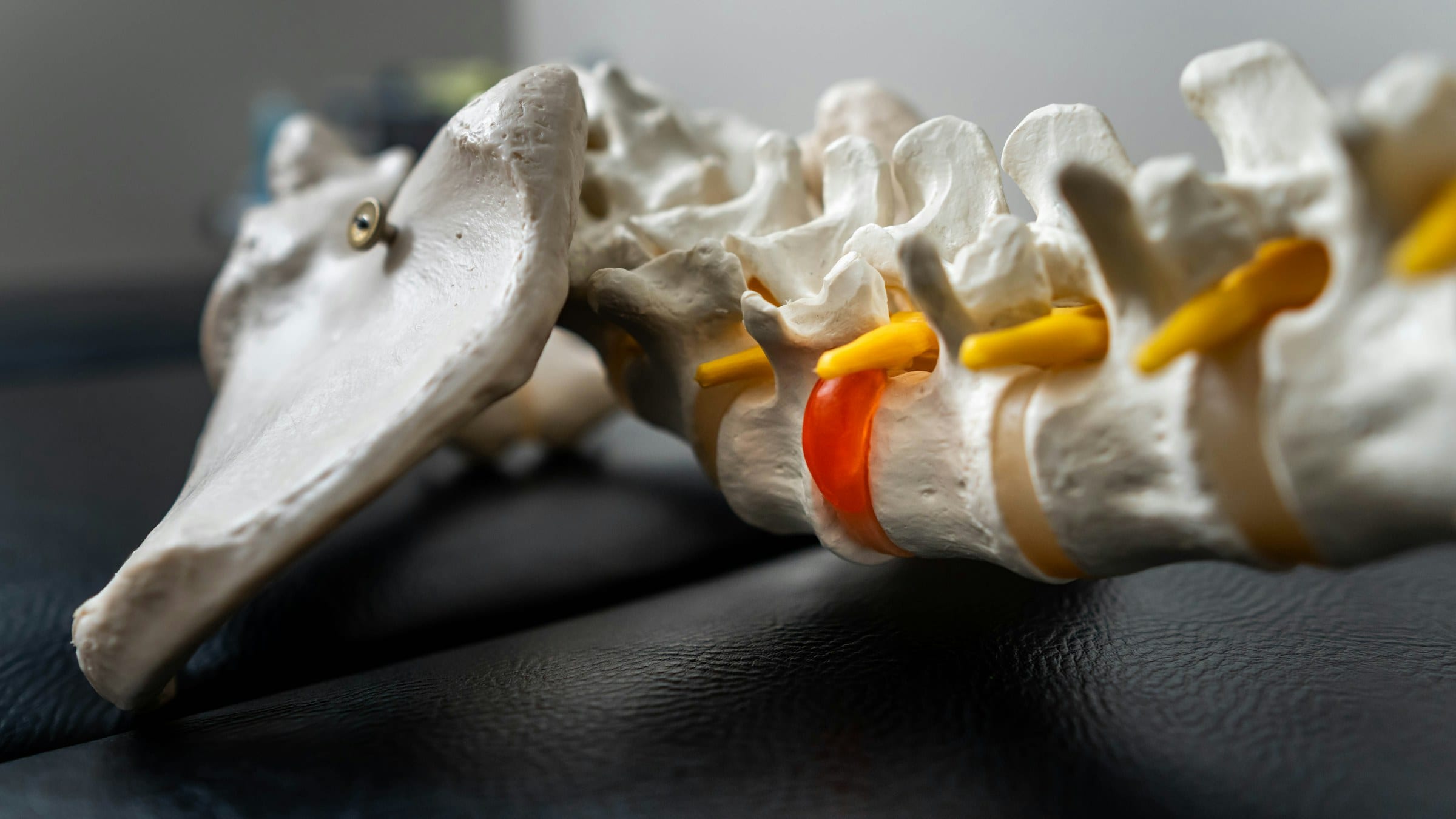
The spinal canal is the bony channel that protects your spinal cord and nerve roots as they travel from your brain to the rest of your body. When the structures surrounding that channel begin to encroach on its space, the result is spinal stenosis. This narrowing can develop anywhere along the spine, but two locations are most commonly affected:
- Cervical stenosis — narrowing in the neck (C1–C7), which can compress the spinal cord itself and produce symptoms in the arms, hands, and even the legs.
- Lumbar stenosis — narrowing in the lower back (L1–L5), the most prevalent form, typically causing leg pain and fatigue with walking.
Because the spinal canal houses such critical neural tissue, even modest narrowing can produce outsized symptoms.
Symptoms and Warning Signs
Spinal stenosis symptoms vary depending on the location and severity of narrowing. Common presentations include:
- Pain or aching in the neck, back, buttocks, or legs
- Numbness or tingling that radiates into the arms, hands, legs, or feet
- Muscle weakness that may cause stumbling, foot drop, or difficulty gripping objects
- Neurogenic claudication — leg cramping or heaviness that comes on with walking and is relieved by sitting or leaning forward (a hallmark of lumbar stenosis)
- Neck stiffness and reduced range of motion in cervical stenosis
- Bladder or bowel dysfunction in severe cases — a sign that warrants prompt medical evaluation
Symptoms are often positional. Many patients find that leaning forward on a shopping cart, sitting down, or flexing the spine temporarily reduces their discomfort. This "shopping cart sign" is a classic indicator of lumbar stenosis.
Common Causes and Risk Factors
The most frequent driver of spinal stenosis is the normal aging process. Over decades, several degenerative changes can collectively shrink the spinal canal:
- Osteoarthritis — the breakdown of joint cartilage leads to bone spur (osteophyte) formation that projects into the canal
- Degenerative disc disease — as discs lose height and hydration, the foraminal openings where nerve roots exit narrow
- Herniated discs — disc material that bulges or ruptures can directly compress neural structures
- Thickened ligaments — the ligamentum flavum, which lines the back wall of the canal, can calcify and buckle inward with age
- Prior injury or trauma — fractures, dislocations, and surgical scar tissue can accelerate stenosis in younger patients
- Congenital factors — some individuals are born with a naturally smaller spinal canal, making them more susceptible to symptoms as changes accumulate
Excess body weight and prolonged sedentary behavior compound all of these risks by increasing compressive load on already compromised spinal segments.
How Atlas Orthogonal and Upper Cervical Care Fit In
The atlas (C1) and axis (C2) vertebrae sit at the very top of the spinal column and govern the alignment of the entire spine below. When the atlas misaligns — even subtly — the body compensates by shifting weight and posture throughout the cervical, thoracic, and lumbar regions. Over time, these compensatory patterns accelerate degenerative stress on spinal segments, contributing to the disc dehydration, joint arthritis, and ligament changes that drive stenosis.
Atlas Orthogonal chiropractic care, the specialty of Dr. Michael St. Louis, D.C., uses precise, instrument-delivered corrections to the upper cervical spine with no forceful twisting or cracking. By restoring proper atlas alignment, this approach reduces the uneven loading that worsens spinal narrowing and takes mechanical pressure off the nerves that are already compromised by stenosis. For patients with cervical stenosis in particular, upper cervical correction is often a foundational step that amplifies the benefit of every other treatment in the protocol.
Our Spinal Stenosis Treatment Protocol
Comprehensive Evaluation
Every care plan begins with a thorough assessment of your symptoms, spinal structure, neurological function, and daily limitations. We review imaging when available and perform a detailed physical and postural examination to identify your specific stenosis pattern — because cervical and lumbar stenosis, central canal narrowing and foraminal narrowing, all require different approaches.
Specific Chiropractic Care and Spinal Adjustments
Precise spinal adjustments improve vertebral alignment and joint mobility, reducing the structural forces that contribute to canal narrowing. Better segmental motion distributes load more evenly, easing direct pressure on compressed nerve roots.
SoftWave Tissue Regeneration Therapy
SoftWave therapy delivers broadband acoustic waves that stimulate the body's own cellular repair mechanisms, accelerating healing and reducing pain at depth. It works without medication or incisions, making it well suited to patients who prefer or require drug-free care.
Custom Therapeutic Exercise
A progressive exercise program builds the paraspinal and core musculature that supports the spine, reducing the compressive burden on narrowed segments. Targeted stretching addresses the hip flexor and hamstring tightness that often accompanies lumbar stenosis. You will be guided through exercises you can perform at home to maintain gains between visits.
Lifestyle and Weight Management Guidance
Every additional pound of body weight increases compressive load on lumbar discs and facet joints. We provide practical, individualized guidance on weight management, anti-inflammatory nutrition, ergonomics, proper lifting mechanics, and activity modification — because daily habits either slow stenosis or accelerate it.
What to Avoid with Spinal Stenosis
Certain activities and habits are known to aggravate stenosis and should be minimized or modified:
- High-impact activities such as running, jumping, or heavy axial loading that spike spinal compression
- Prolonged static postures — standing for long periods in an extended (upright) position is especially provocative for lumbar stenosis
- Poor posture and forward head position, which concentrate stress at already vulnerable cervical levels
- Ignoring early symptoms — stenosis is a progressive condition that responds far better to early, consistent intervention than to watchful waiting
What to Expect at Atlas Injury to Health
Treatment begins with an intensive phase of more frequent visits — often two to three sessions per week — aimed at reducing acute nerve irritation, improving alignment, and establishing tissue-level healing. Most patients notice meaningful improvements in pain, walking tolerance, and sleep quality within a few weeks of consistent care. As function improves, visit frequency tapers to a maintenance schedule designed to preserve your gains and monitor for progression.
Because stenosis is a structural and degenerative condition rather than an acute injury, realistic care plans typically span several months. Our goal is never to create dependency, but to equip you with the alignment, strength, and habits needed to manage this condition long-term.
Frequently Asked Questions
Can chiropractic care make spinal stenosis worse?
When properly tailored to a stenosis diagnosis, chiropractic care is generally safe and beneficial. At Atlas Injury to Health, we conduct a thorough evaluation — including a review of any available imaging — before beginning care. Techniques and force levels are selected specifically to avoid provocative positions, and gentle, low-force corrections are used instead of high-velocity extension-based maneuvers.
Is spinal stenosis surgery avoidable?
Many patients with mild to moderate stenosis achieve satisfactory symptom control and functional improvement through conservative care. However, conservative management is not appropriate for all cases. Severe or rapidly progressing neurological deficits — significant weakness, loss of bladder or bowel control, or signs of cervical myelopathy — require prompt surgical evaluation. We will always be straightforward with you about when referral is the right course of action.
How is upper cervical care different from regular chiropractic for stenosis?
Atlas Orthogonal upper cervical care focuses on a single, highly precise correction at the top of the spine rather than adjusting multiple segments with manual force. By restoring atlas alignment, it addresses one of the root mechanical contributors to uneven spinal loading. For many stenosis patients — especially those with cervical involvement — this targeted correction produces benefits that complement and enhance the rest of their treatment plan.
If you are living with spinal stenosis and looking for a non-surgical path forward, we invite you to schedule a consultation at our Winter Garden or Ocala clinic. Our team will conduct a thorough evaluation and design a care plan built around your specific condition, goals, and lifestyle.