
Can a Chiropractor Make Sciatica Worse?
Written & medically reviewed by Dr. Michael St. Louis, D.C.
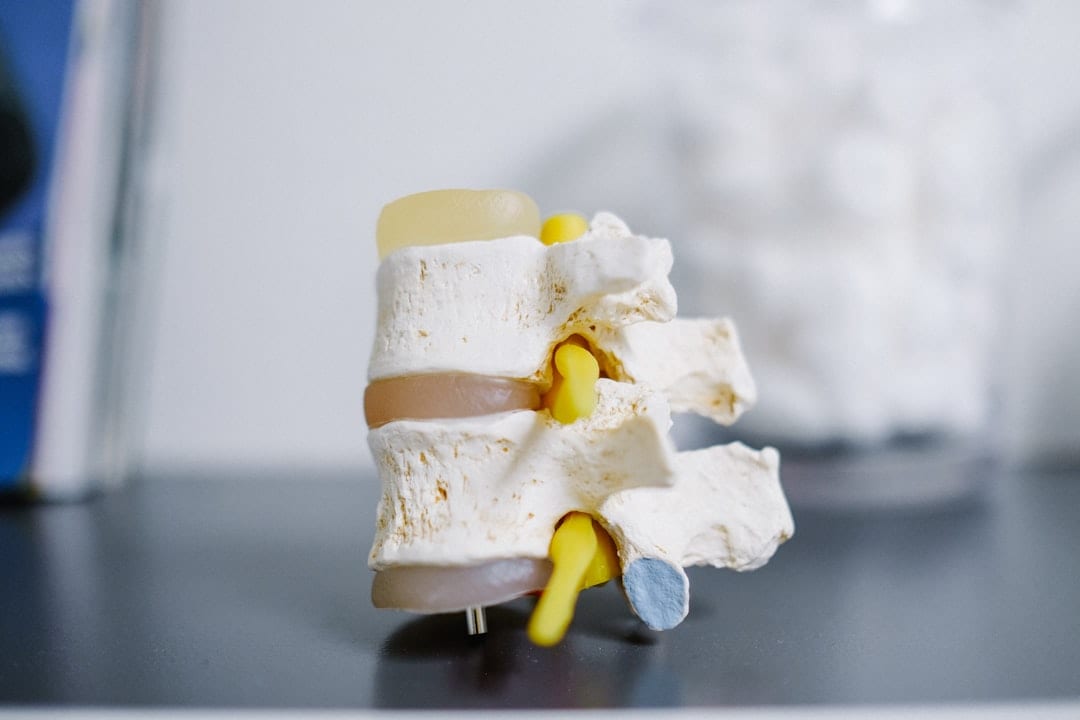
Yes — a chiropractor can make sciatica worse, but only when care is poorly matched to your specific diagnosis, when certain contraindications are missed, or when aggressive techniques are applied too early. When properly evaluated and treated, chiropractic care — especially gentle, precision-based approaches like Atlas Orthogonal upper cervical care — is widely regarded as a safe, effective, and non-invasive option for many people suffering from sciatic nerve pain.
Key Takeaways
- Chiropractic care carries a low risk of worsening sciatica when the underlying cause is properly diagnosed before treatment begins.
- Certain conditions — like severe disc herniation with nerve compression, spinal stenosis, or cauda equina syndrome — require special caution or are contraindications for spinal manipulation.
- Not all chiropractic techniques are equal; high-velocity, forceful manipulation poses higher risk than gentle, instrument-based approaches such as Atlas Orthogonal.
- Temporary soreness after an adjustment is normal; a significant increase in radiating pain, numbness, or weakness is a warning sign to report immediately.
- A thorough intake process — including health history, neurological assessment, and imaging review — is essential for safe sciatica care.
What Is Sciatica, and Why Does It Hurt So Much?
Sciatica is not a diagnosis in itself — it's a symptom pattern caused by irritation or compression of the sciatic nerve, the longest and widest nerve in the human body. It runs from the lower lumbar spine, through the buttock, and down the back of each leg to the foot.
Common symptoms include:
- Sharp, burning, or shooting pain from the low back into the buttock and leg
- Numbness or tingling along the path of the nerve
- Muscle weakness in the affected leg or foot
- Pain that worsens with prolonged sitting, bending, or coughing
The Mayo Clinic notes that sciatica most commonly results from a herniated disc, bone spur, or narrowing of the spinal canal (spinal stenosis) that compresses part of the nerve. Because the root cause varies from person to person, so does the appropriate treatment.
Can Chiropractic Care Actually Make Sciatica Worse?
This is a fair and important question — and the honest answer is: yes, under specific circumstances.
When the wrong technique is used
High-velocity, low-amplitude (HVLA) spinal manipulation — the traditional "cracking" adjustment — can place significant mechanical force on already-inflamed spinal structures. If a disc is severely herniated or the nerve root is acutely compressed, aggressive manipulation could theoretically increase the herniation, further irritate the nerve, or worsen inflammation. This does not mean manipulation is always dangerous for sciatica; it means technique selection and timing matter enormously.
When a contraindication is missed
Some conditions that cause sciatica-like symptoms are contraindications for spinal manipulation. These include:
- Cauda equina syndrome — compression of the bundle of nerve roots below the spinal cord, often presenting with bowel or bladder dysfunction. This is a medical emergency requiring immediate surgical referral.
- Severe or progressive neurological deficit — significant muscle weakness or loss of sensation that is worsening rapidly.
- Fracture or tumor in the spine — any structural instability that manipulation could destabilize.
- Advanced osteoporosis — where bone fragility increases fracture risk.
A qualified chiropractor will screen for all of these before recommending any form of spinal care.
When care is not tailored to the root cause
Sciatica from a disc injury behaves differently than sciatica from spinal stenosis, piriformis syndrome, or sacroiliac joint dysfunction. Applying a generic protocol without identifying the specific driver of nerve irritation is where chiropractic care can go wrong — not because the profession is unsafe, but because precision is everything with nerve-related pain.
Temporary Soreness vs. a True Flare-Up: How to Tell the Difference
It is completely normal to experience mild soreness, achiness, or fatigue in the treated area within 24–48 hours of a chiropractic adjustment. This is a physiological response to tissue and joint mobilization, similar to how muscles feel after exercise — and it typically resolves on its own.
Warning signs that warrant a call to your chiropractor immediately:
- A significant increase in radiating leg pain during or after a session
- New or worsening numbness or tingling in the foot or toes
- Muscle weakness that wasn't present before treatment
- Any change in bladder or bowel function (seek emergency care)
- Pain that does not follow the expected recovery curve after several sessions
If you experience any of the warning signs above, stop treatment and contact your provider. Open communication with your chiropractor after every visit is one of the most protective things you can do.
How Atlas Orthogonal Upper Cervical Care Helps Sciatica — Safely
You might wonder: what does the upper cervical spine have to do with sciatic nerve pain in the lower body? The answer lies in the relationship between spinal alignment and the nervous system as a whole.
The Atlas-Nervous System Connection
The atlas (C1 vertebra) sits at the very top of the spine and directly surrounds the brainstem — the master control center for the entire nervous system. When the atlas is even slightly misaligned, it can alter the tension and tone of the spinal cord, affect cerebrospinal fluid flow, and create compensatory misalignments all the way down the spine, including in the lumbar region where sciatica originates.
Think of the spine like a chain: a kink at the top changes the tension throughout every link below.
A Gentle, Precise Instrument-Based Approach
Atlas Orthogonal chiropractic is unique because it uses a sophisticated, percussion-based instrument to deliver a very light, targeted correction to the atlas — with no forceful twisting or cracking of the neck or low back. The adjustment force is gentle enough that patients often don't feel it happening, yet precise enough to restore atlas alignment measurably.
For sciatica patients, this matters because:
- There is no direct force applied to the inflamed lumbar structures — significantly reducing the risk of aggravating a herniated disc or compressed nerve root.
- Restoring global spinal balance allows the lumbar spine to decompress naturally, taking pressure off the sciatic nerve without aggressive manipulation.
- Reducing neurological interference at the brainstem level helps the body's own healing mechanisms function more effectively.
What the Research Community and Professional Organizations Say
The American Chiropractic Association recognizes chiropractic care — including spinal manipulation and manual therapy — as a first-line, non-pharmacological treatment for low back pain and related radiculopathy. The National Institutes of Health (NIH) has funded research into non-invasive approaches to spinal pain, and MedlinePlus, the NIH's consumer health resource, lists chiropractic manipulation among the non-surgical options for sciatica management. While research continues to evolve, the consensus among major health bodies supports well-selected, properly administered chiropractic care as a reasonable option for appropriate candidates.
What to Expect at Your First Sciatica Visit at Atlas Injury to Health
A responsible chiropractic clinic will never jump straight to treatment. At Atlas Injury to Health, every new sciatica patient goes through a thorough intake process designed to ensure safety and precision:
- Detailed health history — including the onset, character, and pattern of your symptoms, prior imaging, surgical history, and any red-flag symptoms.
- Neurological and orthopedic assessment — testing reflexes, sensation, muscle strength, and range of motion to map the nerve involvement.
- Postural and spinal analysis — identifying compensatory patterns throughout the spine that may be contributing to nerve pressure.
- Precise atlas imaging — specialized X-rays taken at specific angles to measure atlas misalignment to a fraction of a degree, guiding a custom correction unique to your anatomy.
- A personalized care plan — with clear goals, expected timelines, and open discussion of when referral to another provider is more appropriate.
No two sciatica cases are alike, and your care plan shouldn't be either.
Frequently Asked Questions
Is it normal for sciatica to feel worse after a chiropractic adjustment?
Mild soreness or a temporary increase in local achiness within the first 24–48 hours is common and generally not a cause for concern. However, a significant worsening of radiating leg pain, new numbness, or muscle weakness should be reported to your chiropractor immediately and may indicate that treatment needs to be modified.
What types of sciatica respond best to chiropractic care?
Sciatica caused by disc bulges, lumbar joint dysfunction, sacroiliac imbalance, or postural compensation tends to respond well to chiropractic care. Cases involving severe disc extrusion, cauda equina syndrome, or rapidly progressive neurological deficit may require medical or surgical consultation first.
How is Atlas Orthogonal different from regular chiropractic for sciatica?
Atlas Orthogonal focuses on correcting misalignment at the C1 vertebra with a gentle, instrument-based technique rather than forceful spinal manipulation. Because no direct force is applied to the inflamed lumbar spine, it is often a safer starting point for acute or severe sciatica cases while still addressing a key driver of whole-spine dysfunction.
How many chiropractic visits does it take to see improvement in sciatica?
This varies widely based on the severity and duration of nerve compression, age, overall health, and how consistently care is received. Some patients notice improvement within a few visits; others with long-standing or complex sciatica may require several weeks of consistent care. Your chiropractor should reassess your progress regularly and adjust the plan accordingly.
When should I avoid chiropractic care for sciatica and see a medical doctor instead?
Seek emergency medical care immediately if you experience any loss of bladder or bowel control, saddle-area numbness, or rapidly worsening leg weakness — these are signs of cauda equina syndrome, a surgical emergency. Also consult a medical doctor first if your sciatica is associated with a history of spinal cancer, recent trauma, unexplained weight loss, or fever.
For a fuller picture of how we evaluate and care for this condition, see our sciatica page — and if you are in Marion County, our Ocala sciatica care page covers what treatment looks like locally.
If you're living with sciatic nerve pain and wondering whether chiropractic care is right — or safe — for you, the best next step is a thorough evaluation with a qualified upper cervical specialist. At Atlas Injury to Health, Dr. Michael St. Louis and the team at our Winter Garden and Ocala, Florida clinics take the time to understand the full picture of your health before recommending any course of care. You deserve answers and a plan — not a one-size-fits-all approach. Reach out today to schedule your comprehensive consultation and take the first step toward lasting relief.
Related Articles
5 Sciatica Symptoms That Require Chiropractic Treatment
Certain sciatica symptoms signal it's time to see a chiropractor — learn the 5 key warning signs and how upper cervical care can help.
Pain in the Butt: Is Your Sciatica Acting Up?
Sciatica buttock pain can stop you in your tracks — learn what's causing it, how to recognize it, and how Atlas Orthogonal upper cervical care can help.
Sciatica Pain and How You Can Fix It
Sciatica pain can be debilitating, but the right approach — including upper cervical chiropractic care — can relieve it at the source.
Ready to take the next step?
Schedule a consultation to see how Atlas can help you.
Schedule a Consultation