
5 Sciatica Symptoms That Require Chiropractic Treatment
Written & medically reviewed by Dr. Michael St. Louis, D.C.
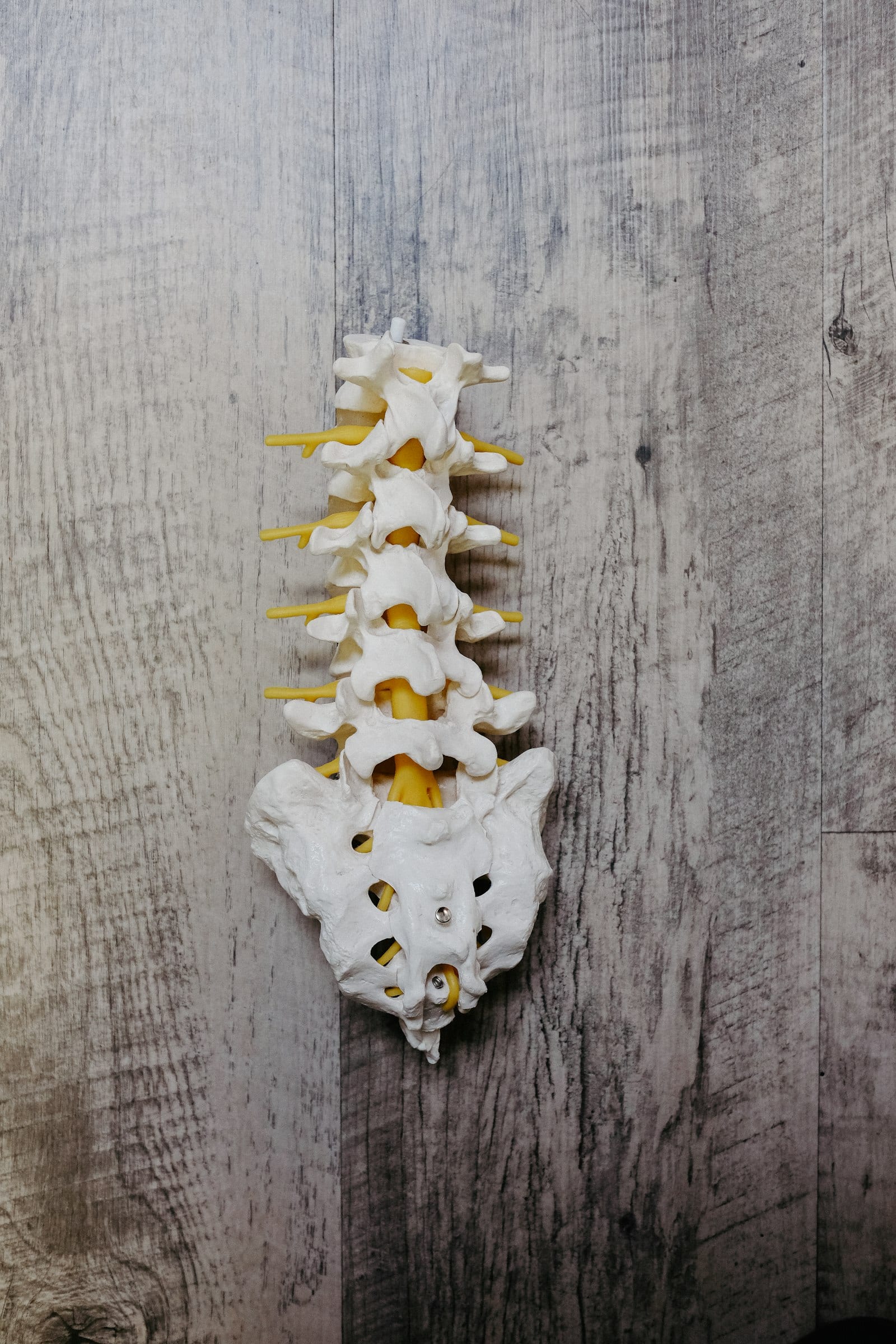
If you're experiencing shooting leg pain, numbness, or weakness that radiates from your lower back down through your buttock and leg, those are sciatica symptoms that may require chiropractic treatment — especially when they persist, worsen, or begin interfering with daily life. Knowing which warning signs to take seriously can help you get the right care before minor nerve irritation becomes a chronic, debilitating condition.
Key Takeaways
- Sciatica is caused by compression or irritation of the sciatic nerve, often originating in the lumbar spine or pelvis.
- Pain, numbness, tingling, muscle weakness, and postural changes are the five key symptoms that warrant a chiropractic evaluation.
- Chiropractic care — including Atlas Orthogonal upper cervical adjustments — addresses the root mechanical causes of sciatic nerve compression.
- Early intervention often leads to better outcomes; don't wait until symptoms become severe.
- A qualified chiropractor can also identify when symptoms require referral to another provider.
What Is Sciatica and Why Does It Happen?
The sciatic nerve is the longest and widest nerve in the human body, running from the lower lumbar spine, through the buttocks, and down each leg to the foot. When this nerve becomes compressed, inflamed, or irritated — whether by a disc injury, bone spur, tight piriformis muscle, or spinal stenosis — the result is a constellation of symptoms collectively known as sciatica.
According to MedlinePlus, sciatica most commonly affects people between the ages of 30 and 50 and is frequently linked to degenerative changes in the lumbar spine. The condition is a symptom of an underlying problem, not a diagnosis in itself — which is exactly why identifying which symptoms are present matters so much for guiding treatment.
Chiropractic care is widely recognized as a front-line, non-invasive option for managing sciatica. The American Chiropractic Association notes that spinal manipulation and related manual therapies are among the most studied conservative treatments for lower back and radiating leg pain. But not every ache needs immediate professional attention — so how do you know when it's time to book an appointment?
The 5 Sciatica Symptoms That Require Chiropractic Treatment
1. Persistent or Worsening Shooting Pain Down One Leg
The hallmark of sciatica is a sharp, electric, or burning pain that travels from the lower back or buttock down through the back of the thigh and into the calf or foot — usually on one side. Occasional, mild leg discomfort after a long day of sitting may not be alarming. But when that shooting pain:
- Has lasted more than two to four weeks without improvement
- Wakes you up at night
- Gets worse with sitting, standing, or walking for extended periods
- Intensifies with sneezing, coughing, or straining
…it's a strong signal that nerve compression is significant enough to require a professional evaluation. Persistent mechanical pressure on the sciatic nerve won't resolve on its own if the underlying spinal misalignment or disc problem hasn't been addressed.
A chiropractor can perform orthopedic and neurological testing — including the straight-leg raise test — to confirm sciatic nerve involvement and identify the spinal level responsible.
2. Numbness or Tingling That Extends Below the Knee
Numbness and tingling (medically called paresthesia) that travels past the knee and into the foot or toes indicate that nerve signal transmission is being meaningfully disrupted. This is more than simple muscle soreness — it reflects the nerve's diminished ability to communicate properly with the tissues it serves.
Left unaddressed, prolonged nerve compression can lead to changes in nerve function that become harder to reverse over time. This is where overlap with neuropathy becomes clinically relevant: chronic sciatic irritation can contribute to lasting peripheral nerve changes.
Chiropractic adjustments — particularly targeted lumbar and sacral manipulations — work to restore proper spinal alignment, reduce mechanical pressure on nerve roots, and create an environment in which nerve tissue can heal. When the compression is relieved, many patients notice gradual improvement in sensation.
3. Muscle Weakness in the Leg or Foot
Sciatica-related muscle weakness is a particularly important symptom that should never be ignored. If you notice difficulty lifting the front of your foot (a condition called foot drop), trouble rising from a chair, or a general sense that one leg feels "weak" or unreliable, the sciatic nerve may be significantly compressed at one or more nerve roots.
Muscle weakness signals that motor nerve fibers — not just sensory fibers — are being affected. The NIH recognizes motor deficits as a key indicator of more serious nerve root involvement that warrants prompt evaluation. In chiropractic terms, this finding typically points to a moderate-to-severe disc herniation, severe spinal stenosis, or significant vertebral misalignment compressing the L4, L5, or S1 nerve roots.
A chiropractor will assess your muscle strength and reflexes as part of a thorough intake examination. If the weakness is severe or rapidly progressive, they will also know when to co-manage your care with or refer you to a neurologist or orthopedic specialist.
4. Pain That Changes or Worsens With Posture
Many sciatica sufferers discover that certain positions dramatically increase or decrease their pain. Pain that worsens when sitting but improves when walking (or vice versa) offers important diagnostic clues about the nature and location of nerve compression. Common postural patterns include:
- Flexion-intolerant sciatica: Pain increases when bending forward or sitting; often associated with disc herniation pushing posteriorly on the nerve root.
- Extension-intolerant sciatica: Pain increases when standing or walking; often associated with spinal stenosis or facet joint involvement.
- Lateral shift: The body unconsciously leans to one side to unload a compressed nerve root, creating a visible postural deviation.
Poor posture — whether from prolonged desk work, improper lifting mechanics, or a sedentary lifestyle — is both a contributing cause and a perpetuating factor in sciatica. Chiropractic care addresses posture correction directly, not just as an aesthetic concern but as a mechanical one: restoring proper spinal curves reduces the uneven loading that irritates nerve roots over time.
5. Sciatica That Followed a Specific Injury or Accident
Sciatica that develops after a car accident, a fall, a heavy lift, or another traumatic event requires prompt evaluation. Trauma can cause acute disc herniations, sacroiliac joint dysfunction, or vertebral misalignments that place immediate and significant pressure on the sciatic nerve.
Injury-related sciatica tends to be more intense at onset and may be accompanied by significant muscle spasm and inflammation. People who've experienced a car accident injury often develop sciatica alongside low back pain and whiplash, as the forces involved can simultaneously affect both the cervical and lumbar spine.
Early chiropractic intervention after injury is important for two reasons: it helps prevent acute inflammation and muscle guarding from becoming chronic compensatory patterns, and it creates a clear clinical record of injury that may be important for insurance or legal purposes.
How Atlas Orthogonal Upper Cervical Care Helps Sciatica
You might wonder: if sciatica originates in the lower back, why would an upper cervical chiropractic technique make a difference?
The answer lies in the architecture of the spine as a whole system. The atlas (C1 vertebra) sits at the top of the spine and has an outsized influence on the alignment and biomechanics of every segment below it. When the atlas is even slightly misaligned, the body compensates by making postural adjustments throughout the spine — including the lumbar region and pelvis — to keep the head balanced over the center of gravity. These compensatory shifts can increase mechanical stress on lumbar discs, narrow the spaces through which nerve roots exit the spine, and contribute to the pelvic imbalances associated with sciatic nerve irritation.
Atlas Orthogonal technique uses precise, instrument-assisted adjustments — no forceful twisting or cracking — to restore the atlas to its correct position. As the upper cervical spine realigns, the rest of the spine often follows, reducing the compensatory loading in the lower back that was contributing to nerve compression. Patients also receive targeted lumbar and sacral care as indicated, addressing the sciatica locally and globally at the same time.
What to Expect at Your First Appointment
At Atlas Injury to Health, your first visit begins with a thorough consultation and health history, followed by a physical, orthopedic, and neurological examination. Specific imaging — such as X-rays — may be taken to visualize spinal alignment, disc spacing, and any structural irregularities relevant to your sciatic symptoms.
Based on these findings, your chiropractor will develop a personalized care plan that may include:
- Atlas Orthogonal upper cervical adjustments to correct foundational spinal alignment
- Lumbar and sacral adjustments to directly address nerve root compression
- Soft tissue work to release tight muscles (such as the piriformis) that may be compressing the sciatic nerve
- Postural rehabilitation exercises to support spinal stability between visits
- Ergonomic and lifestyle guidance to reduce aggravating factors
Progress is typically monitored with periodic re-examinations, and your care plan is adjusted as your body responds to treatment.
Is Chiropractic Care Safe for Sciatica?
For the vast majority of sciatica sufferers, chiropractic care is a safe and effective conservative treatment option. The Mayo Clinic notes that chiropractic spinal manipulation is generally considered safe when performed by a trained and licensed practitioner for appropriate conditions.
There are, however, situations where chiropractic care requires modification or where immediate medical attention is needed instead. Seek emergency care right away if you experience:
- Loss of bladder or bowel control (possible cauda equina syndrome)
- Severe or rapidly progressing weakness in both legs
- Sciatica following significant trauma with suspected fracture
These are rare but serious presentations that require urgent medical evaluation before any manual therapy is performed.
Frequently Asked Questions
How long does sciatica take to improve with chiropractic care?
The timeline varies based on the underlying cause, severity, and how long symptoms have been present. Some patients notice meaningful relief within a few visits; others with chronic or complex cases may require several weeks of consistent care. Your chiropractor will set realistic expectations based on your specific examination findings.
Can sciatica go away on its own without treatment?
Mild sciatica from minor nerve irritation can sometimes resolve with rest and activity modification. However, when symptoms have persisted for more than four to six weeks, are severe, or involve numbness and weakness, waiting for spontaneous resolution risks allowing greater nerve damage to accumulate. Professional evaluation is the safest course.
Is a pinched nerve the same as sciatica?
A pinched nerve is a broad term for nerve compression anywhere in the body. Sciatica specifically refers to compression or irritation of the sciatic nerve, usually at the lumbar spine or piriformis muscle. All sciatica involves a pinched nerve, but not all pinched nerves are sciatica.
Can a disc injury cause sciatica?
Yes — a herniated or bulging lumbar disc is one of the most common causes of sciatica. When disc material presses against a nerve root at L4, L5, or S1, the resulting irritation can produce the full pattern of sciatic pain, numbness, and weakness radiating down the leg.
Does pregnancy-related sciatica need chiropractic care?
Sciatica is common during pregnancy due to postural changes and increased pressure on the lumbar spine and sacroiliac joints. Gentle, pregnancy-adapted chiropractic techniques are generally safe and can provide meaningful relief. Always inform your chiropractor of your pregnancy so care can be appropriately modified.
For a fuller picture of how we evaluate and care for this condition, see our sciatica page — and if you are in Marion County, our Ocala sciatica care page covers what treatment looks like locally.
If you're living with any of the five symptoms described above, you don't have to simply endure them or hope they fade. The team at Atlas Injury to Health — with locations in Winter Garden and Ocala, Florida — specializes in Atlas Orthogonal upper cervical chiropractic care and comprehensive lower back treatment designed to get to the root of your sciatic pain. Take the first step toward lasting relief by scheduling a consultation with us today. We're here to help you move, feel, and live better.
Related Articles
Can a Chiropractor Make Sciatica Worse?
Yes, chiropractic care can worsen sciatica — but only when the wrong techniques are applied to the wrong diagnosis. Here's what to know.
Pain in the Butt: Is Your Sciatica Acting Up?
Sciatica buttock pain can stop you in your tracks — learn what's causing it, how to recognize it, and how Atlas Orthogonal upper cervical care can help.
Sciatica Pain and How You Can Fix It
Sciatica pain can be debilitating, but the right approach — including upper cervical chiropractic care — can relieve it at the source.
Ready to take the next step?
Schedule a consultation to see how Atlas can help you.
Schedule a Consultation