
Sciatica
Expert sciatica treatment targeting the compressed sciatic nerve at its source — restoring function and eliminating the shooting pain that disrupts your life.
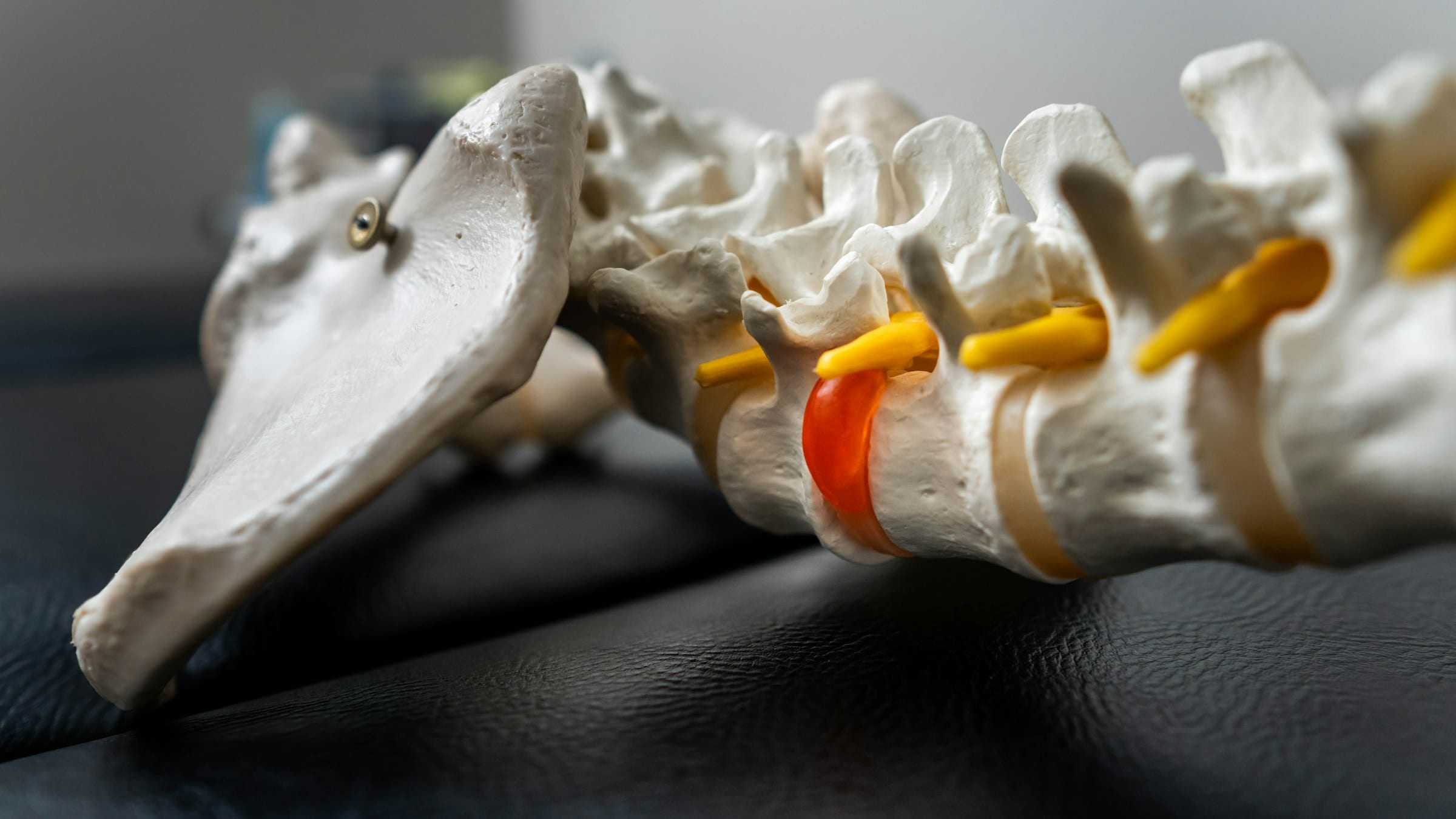
Common Symptoms
- Sharp, shooting pain radiating from the low back through the buttock and down one or both legs
- Burning or tingling sensations along the sciatic nerve path
- Numbness in the legs, feet, or toes
- Muscle weakness in the affected leg
- Pain that worsens with sitting, standing, or specific movements
- Difficulty walking or maintaining balance
- A "pins and needles" sensation in the lower extremities
Common Causes
- Herniated lumbar discs: Inner disc material escapes and compresses the sciatic nerve root
- Degenerative disc disease: Reduced disc height narrows the space available for nerve passage
- Spinal stenosis: The spinal canal narrows, crowding the nerve roots
- Muscle strain or spasm: Injured or tight muscles compress the sciatic nerve
- Sacroiliac joint dysfunction: Inflammation in the SI joint creates referred pain in the lower back and buttocks
- Subluxation: Vertebral misalignment puts compressive force directly on nerve roots
- Piriformis syndrome: The piriformis muscle in the buttock spasms and irritates the sciatic nerve
How Atlas Treats Sciatica
We treat sciatica by identifying and correcting the structural source of nerve compression — whether it's a herniated disc, subluxation, stenosis, or muscular dysfunction.
Our integrated approach includes:
- Specific chiropractic adjustments to restore spinal alignment and relieve pressure on the sciatic nerve
- SoftWave Tissue Regeneration Therapy to reduce inflammation and promote cellular repair
- Custom therapeutic exercises to strengthen stabilizing muscles, improve flexibility, and prevent flare-ups
- Trigger point therapy and soft tissue work to release muscular compression on the nerve
Sciatica responds exceptionally well to chiropractic care because we address the underlying cause rather than masking the pain. Early intervention makes recovery faster and more complete.
Sciatica is one of the most disruptive pain conditions a person can experience — and one of the most misunderstood. At Atlas Injury to Health, our approach goes beyond managing symptoms. We trace the shooting pain, numbness, and weakness directly to its structural source and correct it, so you can move, sleep, and live without the nerve pain that has been holding you back.
What Is Sciatica?
The sciatic nerve is the longest and largest nerve in the human body. It originates from several nerve roots in the lumbar spine (lower back), travels through the hips and buttocks, and branches all the way down each leg to the feet. When any part of this nerve is compressed, pinched, or irritated, the resulting pain — known as sciatica — can be felt anywhere along that entire pathway.
What makes sciatica so recognizable is its character: a sharp, shooting, or burning sensation that typically affects one side of the body. Some people describe it as an electric shock traveling from the low back into the leg. Others experience a persistent ache, tingling, or numbness that makes it difficult to sit, stand, or walk comfortably.
Common Symptoms of Sciatica
- Shooting or burning pain that radiates from the lower back through the buttock and down one leg
- Numbness or "pins and needles" in the leg, calf, or foot
- Muscle weakness in the affected leg or foot
- Pain that worsens with prolonged sitting, bending, or coughing
- A sensation of heaviness or difficulty controlling the leg
Sciatica is not a diagnosis in itself — it is a symptom of an underlying structural problem. Identifying that problem is where effective treatment begins.
What Causes Sciatica?
Several structural issues can put pressure on the sciatic nerve or its roots:
- Herniated or bulging disc: The soft inner material of a spinal disc pushes outward and presses against a nerve root exiting the lumbar spine. This is one of the most common causes.
- Spinal subluxation: Misaligned vertebrae disrupt normal joint mechanics and can directly compress or irritate nearby nerve tissue.
- Lumbar spinal stenosis: Narrowing of the spinal canal reduces the space available for the spinal cord and nerve roots, particularly in older adults.
- Piriformis syndrome: The piriformis muscle in the buttock can tighten and press against the sciatic nerve as it passes through or beneath it.
- Degenerative disc disease: Age-related disc changes reduce disc height and can allow vertebrae to shift in ways that impinge on nerve roots.
- Spondylolisthesis: A vertebra slips forward over the one below it, narrowing the opening through which the nerve exits.
Sciatica is a sign that something structural is putting pressure where it does not belong. Pushing through the pain without addressing the cause allows the underlying problem — and the nerve irritation — to persist.
Our Sciatica Treatment Protocol
At Atlas Injury to Health, we build individualized care plans based on a thorough understanding of each patient's specific anatomy, history, and contributing factors. Our multi-modal approach addresses the root cause of nerve compression while supporting your body's natural healing capacity at every stage.
Comprehensive Consultation & Examination
Every sciatica case begins with a complete health history review and a thorough clinical evaluation — including orthopedic and neurological testing, postural analysis, and digital X-rays. This gives us a detailed, patient-specific picture of exactly where the sciatic nerve is being compressed and why, so the care plan targets the actual source of your pain rather than just the area where you feel it.
Specific Chiropractic Care
Our chiropractic techniques include spinal manipulation, joint mobilization, and trigger point therapy, performed on custom orthopedic tables designed to optimize precision and patient comfort. By restoring proper vertebral alignment and relieving structural pressure on the sciatic nerve and its roots, chiropractic adjustments reduce nerve irritation, decrease pain, and improve overall spinal and lower-extremity function.
Custom Therapeutic Exercise
Targeted exercise is a critical component of lasting sciatica relief. Our rehabilitation exercises are selected specifically to relax overactive muscles in the lower back, hips, and pelvis; improve flexibility in tight structures that may be compressing the nerve; and build the core and lumbar strength necessary to stabilize the spine and reduce the risk of recurrence. Exercises are progressed at a pace that matches your recovery.
SoftWave Tissue Regeneration Therapy
This advanced regenerative therapy works at the tissue level to reduce pain and inflammation while supporting the body's own healing processes. SoftWave therapy uses electrohydraulic shockwaves to stimulate cellular repair and improve circulation in affected tissues, helping calm the inflamed nerve environment so structural corrections can take hold more effectively.
What to Expect at Atlas Injury to Health
Your first visit focuses on listening and understanding — what your pain feels like, when it started, what makes it better or worse, and what you have already tried. Clinical testing and imaging follow, giving our doctors the objective data they need to confirm the source of your sciatica and rule out conditions that require a different level of care.
From there, you receive a clear explanation of your findings and a transparent, individualized care plan. Treatment typically progresses in phases: an initial relief phase aimed at reducing pain and nerve irritation, a corrective phase that addresses the underlying structural problem, and a supportive phase focused on long-term stability and prevention.
Most patients begin to notice improvement within the first few weeks of consistent care, though the timeline varies depending on the severity and duration of nerve compression. Our team monitors your progress at every stage and adjusts the plan as needed.
When to Seek Care Promptly
While sciatica is often manageable, certain symptoms warrant immediate evaluation:
- Sudden loss of bladder or bowel control alongside back or leg pain
- Severe weakness in both legs
- Pain following a significant trauma or injury
- Progressive neurological symptoms that are worsening rapidly
These may indicate a more serious spinal emergency requiring urgent medical attention. When in doubt, seek care right away.
Frequently Asked Questions
How do I know if I have sciatica or just general back pain?
Sciatica typically produces pain that radiates from the lower back or buttock down into one leg, sometimes reaching the calf or foot. General low back pain tends to stay localized. Numbness, tingling, or weakness in the leg alongside back pain strongly suggests sciatic nerve involvement and warrants a professional evaluation.
Can chiropractic care actually resolve sciatica, or does it only provide temporary relief?
Chiropractic care addresses the structural causes of sciatic nerve compression — disc pressure, vertebral misalignment, and muscular imbalance — rather than simply masking pain. When the underlying cause is corrected and the supporting musculature is rehabilitated, many patients experience lasting resolution rather than temporary relief. Individual outcomes depend on the severity and duration of the condition.
How long does sciatica treatment typically take?
This varies significantly by cause and chronicity. Acute sciatica caused by a recent disc injury may respond relatively quickly, while long-standing nerve compression involving degenerative changes may require a longer corrective period. After your examination, our doctors will give you a realistic timeline based on your specific findings.
If shooting leg pain, numbness, or weakness is disrupting your daily life, you don't have to keep waiting it out. Contact Atlas Injury to Health to schedule your comprehensive sciatica evaluation at our Winter Garden or Ocala clinic — and take the first step toward lasting relief.
Watch & Learn
Videos related to Sciatica.
3 Best Exercises for Lower Back Pain Relief | Chiropractor for Low Back Pain in Winter Garden, FL
A chiropractor in Winter Garden, FL demonstrates 3 targeted exercises—plank, Superman, and leg lifts—to strengthen the lower back and prevent pain.
Watch →
Upper Cervical Chiropractic Can Fix Low Back Pain | Chiropractor for Back Pain in Winter Garden, FL
Discover how an upper cervical misalignment can create a chain reaction that causes low back pain — and how correcting it relieves pressure throughout the spine.
Watch →