
The Importance of the Nervous System Communication Highway
Written & medically reviewed by Dr. Michael St. Louis, D.C.
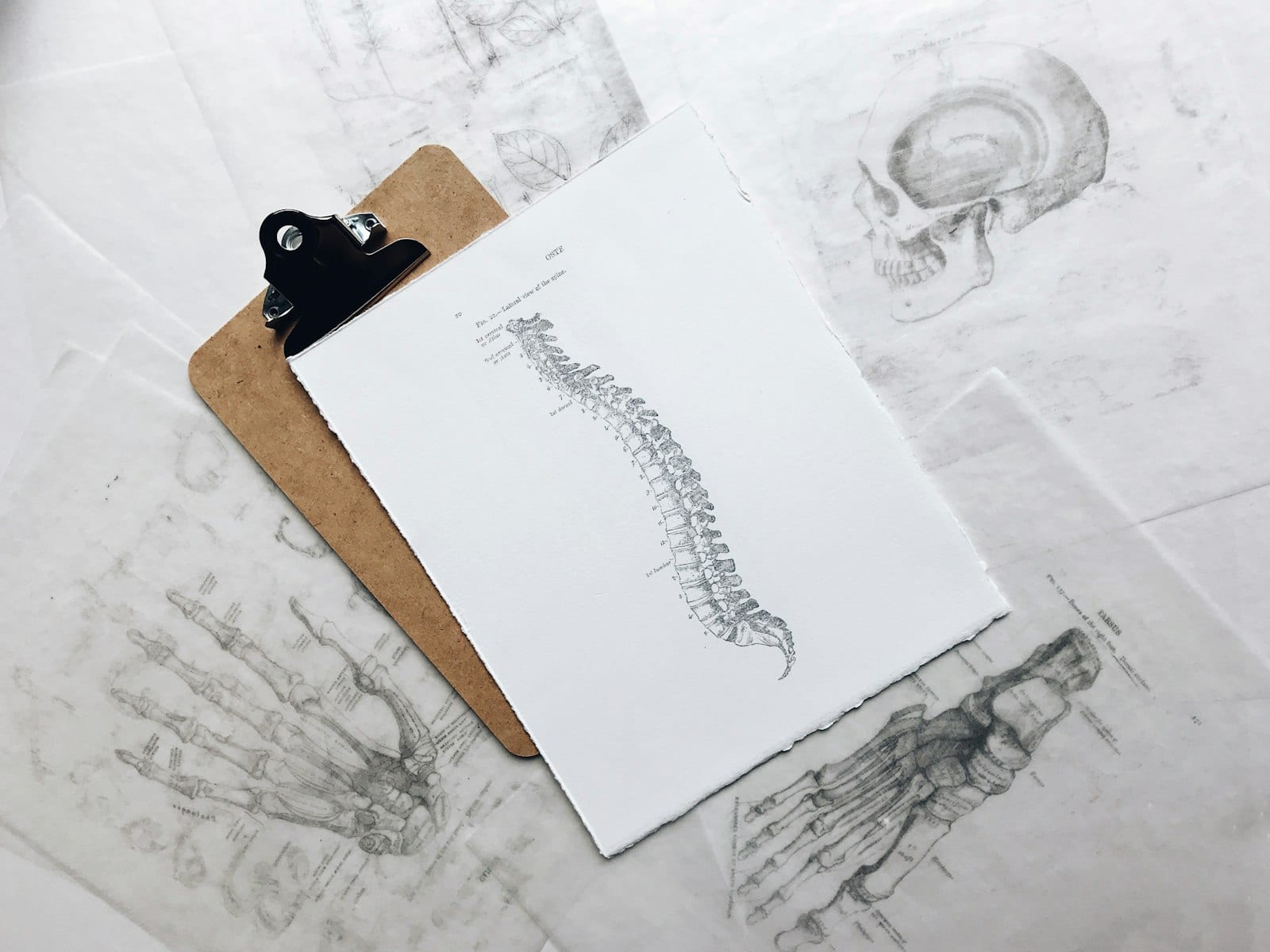
Your spine is the physical backbone of your nervous system's communication highway — a dynamic, living conduit that carries billions of electrical and chemical signals between your brain and every cell, organ, and tissue in your body. When that highway is clear and unobstructed, your body functions at its best; when it is compromised by misalignment, injury, or degeneration, the consequences can ripple far beyond simple back or neck pain.
Key Takeaways
- The spinal cord and its branching nerves form the primary communication network between your brain and body — protecting this network is essential to whole-body health.
- Even subtle spinal misalignments, particularly at the uppermost vertebra (the atlas), can create interference in nerve signaling that affects organs, muscles, and systems well beyond the spine itself.
- Common symptoms of disrupted spinal nerve communication include pain, numbness, tingling, muscle weakness, headaches, dizziness, and dysfunction in internal organs.
- Atlas Orthogonal upper cervical chiropractic is a precise, gentle technique designed to restore proper alignment at the craniocervical junction, removing interference and supporting healthy nervous system function.
- Early, proactive care — combined with good posture habits and professional guidance — is the most effective strategy for maintaining a clear neural communication highway.
How Does the Spine Serve as the Nervous System's Communication Highway?
To appreciate why spinal health matters so deeply, it helps to understand the architecture of your nervous system. The brain is the master control center, but it cannot do its job alone. Every instruction it sends — whether to regulate your heart rate, coordinate a step, or mount an immune response — must travel down through the spinal cord, exit through one of 31 pairs of spinal nerve roots, and reach its destination. Return signals travel the same route in reverse.
The spinal cord itself is roughly 18 inches long and about as wide as a thumb. It runs through a protective bony channel called the spinal canal, formed by the stacked vertebrae of your spine. Each vertebra has openings called intervertebral foramina through which nerve roots exit to serve specific regions of the body. This elegant design accomplishes two things simultaneously: it houses and protects the cord while allowing nerve branches to fan out to every corner of the body.
The National Institutes of Health (NIH) describes the nervous system as the body's command center, responsible for coordinating actions and transmitting signals to and from different parts of the body. When you appreciate that every signal must pass through or alongside the spine, it becomes clear why spinal integrity is inseparable from overall neurological health.
What Are the Two Main Divisions of the Nervous System?
The nervous system is broadly divided into:
- Central Nervous System (CNS): The brain and spinal cord — the highway itself.
- Peripheral Nervous System (PNS): The vast network of nerves that branch out from the spinal cord to muscles, skin, joints, and internal organs.
Within the peripheral system, the autonomic nervous system governs involuntary functions — breathing, digestion, heart rate, immune activity, and hormonal balance. This subdivision is anatomically intertwined with the spinal column, which means spinal alignment has a direct bearing on functions most people never consciously consider.
What Disrupts the Nervous System's Spinal Communication?
The spine is designed to be resilient, but it is not immune to disruption. Several factors can compromise the neural communication highway:
Vertebral Misalignment (Subluxation)
A vertebra that has shifted out of its optimal position can encroach on the space through which nerve roots travel. Even a few millimeters of displacement can create mechanical pressure or alter the tension on surrounding soft tissues, changing the quality of nerve signals passing through that area. Chiropractors refer to these misalignments as subluxations. The American Chiropractic Association recognizes that subluxations can contribute to nerve irritation and interference with normal body function.
The Atlas: The Most Critical Junction
Of all the vertebrae, the atlas (C1) — the topmost bone in the spine — occupies the most strategically significant position. It sits at the craniocervical junction, cradling the base of the skull and surrounding the upper portion of the brainstem. The brainstem is the switchboard for virtually all communication between the brain and body: it regulates breathing, cardiovascular function, balance, and the flow of cerebrospinal fluid.
Because the atlas has the greatest range of motion of any vertebra and lacks the interlocking disc structure found lower in the spine, it is also the most vulnerable to misalignment — often without producing immediate local pain. A misaligned atlas can subtly compress or irritate the brainstem, alter cerebral blood flow, and create widespread neurological effects that seem completely unrelated to the neck.
Disc Injury and Degeneration
The intervertebral discs act as shock absorbers between vertebrae. When a disc bulges, herniates, or degenerates, it can directly compress adjacent nerve roots, causing symptoms such as sharp radiating pain, numbness, or weakness — conditions like sciatica or pinched nerve syndromes.
Spinal Stenosis
Narrowing of the spinal canal — known as spinal stenosis — reduces the space available for the spinal cord and nerve roots, creating chronic nerve compression that can cause progressive neurological symptoms in the limbs.
Poor Posture
Sustained forward head posture or rounded shoulders shifts the mechanical load on the cervical spine dramatically. Research has shown that for every inch the head shifts forward from its neutral position, the effective weight on the cervical spine increases significantly. This chronic mechanical stress accelerates disc wear, alters nerve root tension, and perpetuates misalignment. Posture correction is therefore not merely aesthetic — it is neurologically protective.
Trauma and Whiplash
Car accidents, sports injuries, and falls can jolt the spine — especially the vulnerable upper cervical region — out of alignment in an instant. Whiplash injuries are a classic example: the rapid acceleration-deceleration force can misalign the atlas and axis (C1-C2), producing symptoms ranging from neck pain and headaches to vertigo and cognitive difficulties.
What Symptoms Signal a Disrupted Neural Highway?
Because spinal nerves serve every region of the body, the symptom picture of nerve interference is remarkably diverse:
- Pain: Localized back or neck pain, or radiating pain such as sciatica
- Numbness and tingling: Often in the arms, hands, legs, or feet — a hallmark of neuropathy
- Muscle weakness: Difficulty gripping objects, leg instability, or drop foot
- Headaches and migraines: Frequently linked to upper cervical nerve irritation and restricted blood flow
- Dizziness and vertigo: Disrupted signals from proprioceptive nerves in the upper cervical spine
- Autonomic dysfunction: Digestive problems, blood pressure irregularities, sleep disturbances
- Cognitive fog: Reduced cerebral blood flow secondary to upper cervical compression
MedlinePlus, a resource of the National Library of Medicine, notes that nerve compression and damage can produce a wide spectrum of sensory, motor, and autonomic symptoms depending on which nerves are affected.
How Does Atlas Orthogonal Chiropractic Restore the Communication Highway?
Atlas Orthogonal (AO) is a subspecialty of upper cervical chiropractic that focuses exclusively on the precise correction of atlas misalignment using a gentle, instrument-assisted adjustment. Unlike traditional manual manipulation, the Atlas Orthogonal instrument delivers a light, targeted percussive force — measured in grams, not pounds — that is calculated based on precise three-dimensional X-ray analysis of each patient's unique spinal geometry.
The Correction Process
- Comprehensive Consultation & History: The provider reviews your health history, current symptoms, and any prior imaging.
- Precise Spinal X-rays: Specialized X-ray views map the exact position of your atlas relative to the skull and C2, including lateral displacement, angular rotation, and degree of tilt.
- Customized Adjustment: The AO instrument delivers a reproducible correction specific to your measurements — no twisting, cracking, or forceful manipulation.
- Post-Adjustment Assessment: Leg length, posture, and nerve tension indicators are reassessed to confirm the atlas has returned to a more balanced position.
- Ongoing Monitoring: Follow-up visits track how long the correction holds, with adjustments spaced to support neurological adaptation over time.
By restoring the atlas to its proper position, AO care aims to:
- Reduce mechanical pressure on the brainstem and upper spinal cord
- Improve the flow of cerebrospinal fluid and arterial blood to the brain
- Allow the autonomic nervous system to shift toward a more balanced state
- Reduce compensatory tension and misalignment throughout the rest of the spine
Is Atlas Orthogonal Care Safe?
Yes — the Atlas Orthogonal technique is widely regarded as one of the gentlest approaches in chiropractic. Because the adjustment force is light, controlled, and instrument-delivered, it is well-tolerated by a broad range of patients, including children, elderly individuals, and those who have experienced recent injury or surgery. As with any healthcare intervention, a thorough intake and assessment ensures the approach is appropriate for each individual. Your provider will discuss any specific contraindications during your initial consultation.
When Should You Seek Professional Evaluation?
You should consult a qualified healthcare provider promptly if you experience:
- New or worsening numbness, tingling, or weakness in the limbs
- Loss of bladder or bowel control (seek emergency care immediately)
- Severe, sudden headache unlike any you've had before
- Neck pain following trauma
- Progressive balance or coordination problems
- Chronic symptoms that have not resolved with conservative self-care
Frequently Asked Questions
How does spinal alignment affect the nervous system?
The spinal cord and its nerve roots run through and between the vertebrae of your spine. When vertebrae are properly aligned, nerves travel freely without mechanical pressure. Misalignment can create pressure or tension on these nerves, altering the quality and speed of the signals they carry — affecting not just local pain, but organ function, muscle performance, and even mood and cognition.
Can a misaligned atlas really cause symptoms throughout the body?
Yes — because the atlas surrounds the brainstem, which governs a vast array of autonomic and sensory functions, even a subtle misalignment at C1 can produce effects well beyond the neck. Patients with atlas misalignment commonly report headaches, migraines, vertigo, tinnitus, jaw pain, and upper extremity symptoms, among others.
How is Atlas Orthogonal different from a regular chiropractic adjustment?
Standard chiropractic adjustments often involve manual manipulation — the familiar "cracking" sensation — applied across multiple spinal levels. Atlas Orthogonal focuses only on the topmost vertebra, uses a precision instrument rather than manual force, and is based on individualized X-ray measurements. The result is a very gentle, highly specific correction.
How many visits does it take to see results?
This varies considerably based on the severity and chronicity of the misalignment, the patient's age, overall health, and lifestyle factors. Some patients notice changes within the first few visits; others require a longer course of care to achieve lasting correction. Your provider will outline a personalized care plan after reviewing your X-rays and clinical findings.
Can poor posture damage my nervous system over time?
Chronic postural distortions — especially forward head posture — increase mechanical stress on the cervical discs and joints, accelerate degenerative changes, and create ongoing nerve root tension. Over time, these changes can become structural rather than purely functional, making early intervention and good postural habits genuinely important for long-term neurological health.
Your nervous system's communication highway is too important to leave to chance. If you are experiencing unexplained pain, neurological symptoms, or simply want a proactive assessment of your spinal and nervous system health, we invite you to schedule a consultation with the team at Atlas Injury to Health. With convenient locations in Winter Garden and Ocala, Florida, Dr. Michael St. Louis and our caring staff are ready to help you understand what may be interfering with your body's most vital communication network — and create a precise, personalized plan to restore it.
Ready to take the next step?
Schedule a consultation to see how Atlas can help you.
Schedule a Consultation