Spinal Stenosis Treatment in Ocala
Specialized spinal stenosis care at Atlas Injury to Health Ocala. See what 1 local patients have to say about their results.
Find stenosis relief in Ocala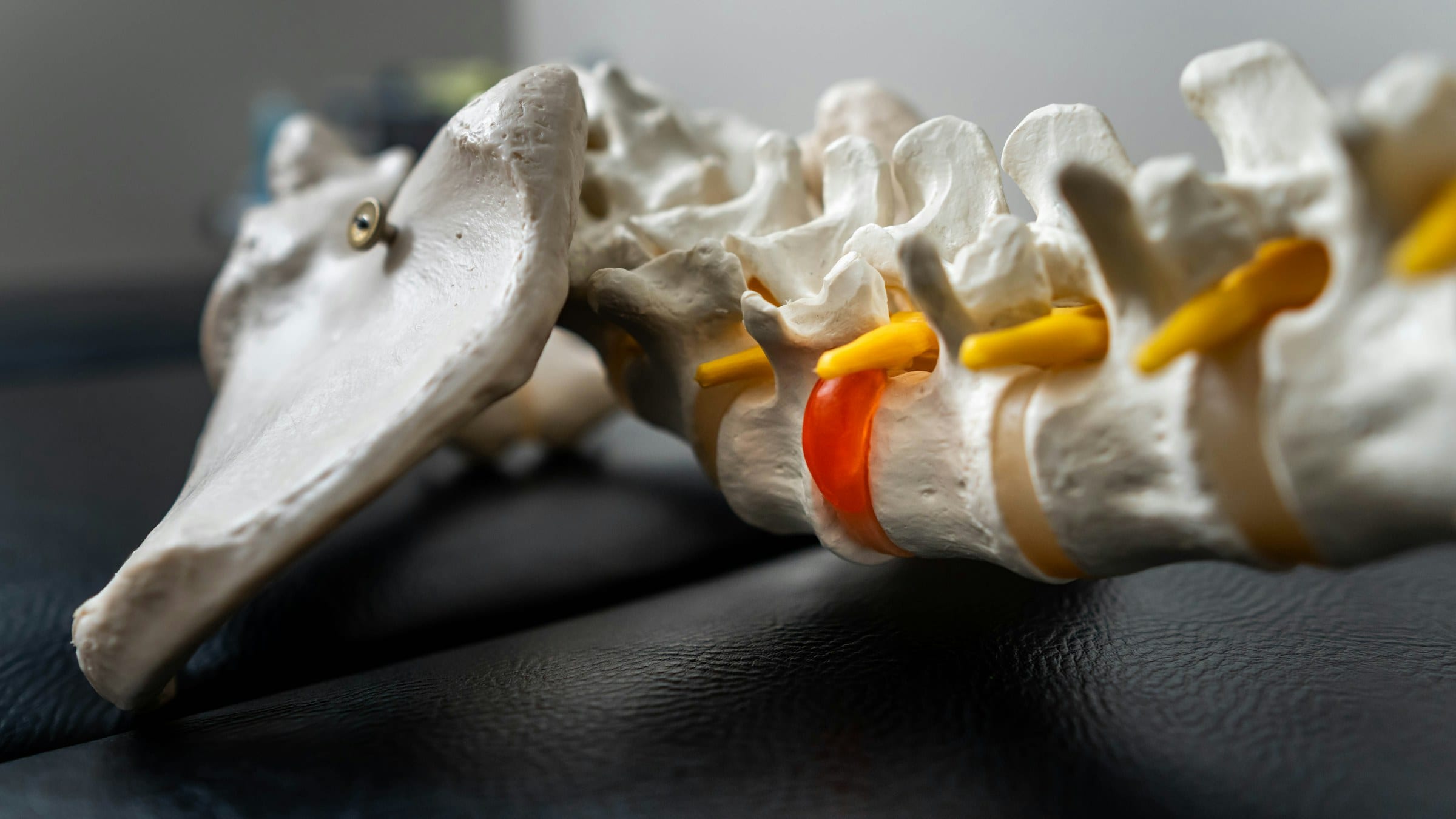
Spinal stenosis can make everyday life in Ocala — from walking the trails at Silver Springs to staying active in the Florida heat — increasingly difficult as the spinal canal narrows and presses on surrounding nerves. At Atlas Injury to Health's Ocala clinic on SW HWY 200, our team takes a non-surgical approach focused on relieving that nerve pressure, restoring mobility, and slowing the progression of spinal narrowing.
Dr. Shawn Wilkerson leads spinal stenosis care at our Ocala location, combining targeted soft tissue therapy with corrective exercise programs tailored to each patient's level of mobility. His approach helps Ocala residents regain function and move through their days with greater comfort — without relying on surgery or long-term medication.
Frequently Asked Questions
Is upper cervical care safe for the retirees who make up much of Ocala's population?
Yes. Dr. Wilkerson's approach is built around Marion County's largely retired and semi-retired patient base, many of whom are managing stenosis alongside other age-related changes. Advanced diagnostics guide a plan matched to each patient's bone density, balance, and activity goals, so the gentle, hands-on techniques used here are calibrated for long-term independence rather than a quick return to intense training.
Will treatment help me stay active around horses or on the farm?
Many patients in this part of Marion County need spinal stenosis care that supports mounting, dismounting, and hours spent on uneven barn and pasture ground rather than a gym routine. Dr. Wilkerson's corrective exercise programs are built around these real daily demands, helping restore the stability and range of motion equestrian life and farm work require.
How does Dr. Wilkerson's experience shape care at this location?
Dr. Wilkerson practices exclusively at the Ocala clinic, giving him a sustained, singular focus on how stenosis progresses in this community's older, active population. That concentrated clinical experience shapes a treatment philosophy centered on gentle, non-surgical correction — an approach built specifically around the mobility needs of Marion County patients rather than a broader, multi-location practice.
Can this help me keep walking longer distances, like on local trails?
Retaining the ability to walk comfortably for extended periods is a common goal among Ocala patients, whether that means covering ground at Silver Springs or simply moving easily around home and property. Treatment here focuses on reducing nerve pressure and slowing further narrowing, supporting the kind of everyday, sustained walking capacity that matters most to this community's quality of life.
How We Treat Spinal Stenosis
Our non-surgical spinal stenosis protocol focuses on creating more space for compressed nerves and slowing the progressive narrowing of the spinal canal.
We achieve this through:
- Specific chiropractic adjustments to improve vertebral alignment and reduce structural compression
- SoftWave Tissue Regeneration Therapy to reduce inflammation and promote tissue repair
- Custom therapeutic exercises to strengthen supporting musculature and maintain mobility
- Weight management and lifestyle guidance to reduce the biomechanical factors that worsen stenosis
- Postural correction to reduce the daily structural stress on a narrowed canal
Stenosis is a progressive condition — the sooner treatment begins, the more effectively we can manage symptoms and slow progression. Many patients achieve significant improvement with consistent conservative care, avoiding or delaying the need for surgical intervention.
Symptoms
- Pain in the lower back or neck that may radiate to the extremities
- Numbness or tingling in the arms, hands, legs, or feet
- Muscle weakness in the affected limbs
- Difficulty walking or maintaining balance
- Pain that improves when leaning forward or sitting
- Stiffness and reduced range of motion
- In severe cases, bladder or bowel dysfunction
- Cramping or heaviness in the legs after walking (neurogenic claudication)
What Ocala Spinal Stenosis Patients Say
“i can walk again !!!”
Joe Ciccone