SoftWave Therapy for Sports Injuries in Winter Garden: Heal Without Surgery
Written & medically reviewed by Dr. Michael St. Louis, D.C.
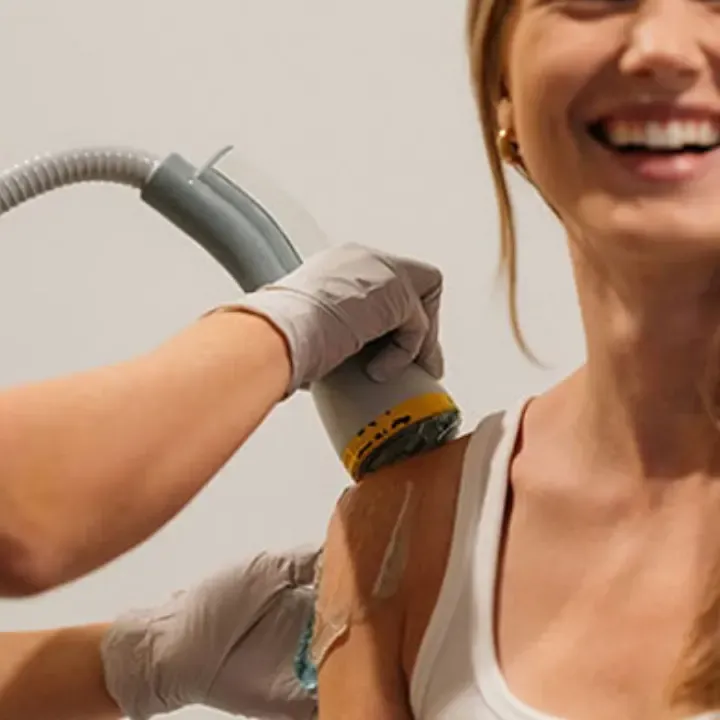
SoftWave therapy for sports injuries in Winter Garden gives athletes and active adults a way to heal damaged tendons, ligaments, and soft tissue using FDA-cleared unfocused shockwave technology — without surgery, injections, or long downtime. Instead of simply resting an injury and waiting for it to calm down, SoftWave actively stimulates your body's own repair process at the cellular level, often allowing athletes to return to training faster and stronger.
Winter Garden has become one of Central Florida's most active communities — youth travel sports, weekend triathlons, golf leagues, and weekend warriors chasing personal bests. With that activity comes overuse injuries: tennis elbow, jumper's knee, plantar fasciitis, rotator cuff strain, and stubborn hamstring pulls that never quite feel "right." At Atlas Injury to Health, we've built our SoftWave protocols alongside the same performance standards used by Coach Tom Shaw Performance, the Orlando Guardians, and NFL draft prospects — because the athletes we work with can't afford months on the sidelines, and neither can you.
Key Takeaways
- SoftWave therapy uses FDA-cleared unfocused shockwaves to trigger the body's natural healing response in tendons, ligaments, and soft tissue.
- It's a non-invasive alternative to surgery, cortisone injections, or prolonged rest for many chronic and acute sports injuries.
- Unlike "rest and ice" advice, SoftWave actively promotes tissue regeneration rather than just managing symptoms.
- Atlas Injury to Health applies performance-level protocols informed by work with elite athletes, including NFL draft prospects and professional football players.
- Most patients complete a short series of sessions with minimal downtime, making it practical for busy Winter Garden families and athletes.
Why "Rest and Ice" Isn't Always the Answer
For decades, the standard advice for soft-tissue sports injuries was RICE — rest, ice, compression, elevation. It's not wrong, exactly, but it's incomplete. Rest reduces further aggravation, but it doesn't necessarily repair damaged collagen fibers or restore blood flow to poorly vascularized tissue like tendons.
That's a big reason why so many overuse injuries become chronic. An athlete rests for two weeks, feels better, returns to play, and the pain comes right back. The underlying tissue damage was never actually resolved — it was just quieted down temporarily.
SoftWave therapy takes a different approach. Rather than waiting for injured tissue to heal on its own timeline, it delivers a targeted stimulus that kickstarts the body's repair mechanisms directly at the site of injury.
How SoftWave Technology Works
SoftWave uses unfocused electrohydraulic shockwaves — a specific, FDA-cleared technology distinct from the focused shockwave devices used in some other clinics. The unfocused wave pattern disperses energy across a broader area of tissue, which many providers find beneficial for larger or more diffuse injury sites common in sports medicine.
Here's what happens mechanically during a session:
- Mechanotransduction — The shockwave pulses create a mechanical stimulus that your cells convert into biochemical signals, essentially "waking up" dormant repair processes.
- Increased blood flow — The therapy stimulates angiogenesis, or the formation of new blood vessels, which is critical for tendons and ligaments that naturally have limited circulation.
- Stem cell activation — Research has explored how shockwave therapy may help recruit and activate stem cells in the treated area, supporting tissue regeneration.
- Reduced inflammation and pain signaling — Many patients report decreased pain sensitivity in the treated area following a course of sessions.
Sessions typically take just minutes, require no anesthesia, and most people resume normal activity the same day. This is a major advantage for competitive athletes and busy parents who don't have weeks to spare for recovery.
Common Sports Injuries We Treat with SoftWave
Winter Garden's active-family culture means we see a wide range of overuse and acute soft-tissue injuries. SoftWave is commonly used for:
- Achilles tendinopathy
- Plantar fasciitis
- Tennis and golfer's elbow
- Patellar tendinopathy (jumper's knee)
- Rotator cuff tendinopathy
- Hamstring and calf strains
- IT band syndrome
If you're also dealing with joint misalignment or nerve involvement alongside soft-tissue injury, SoftWave is often paired with other services at our practice, such as chiropractic care or Atlas Orthogonal, a precise, low-force upper cervical technique that supports overall nervous system function and biomechanics. Athletes recovering from a pinched nerve or persistent low back pain that overlaps with soft-tissue symptoms often benefit from this combined approach.
Why Winter Garden's Athletes Choose Atlas
Our team's connection to elite-level sports performance shapes how we treat every patient — not just the professionals. The protocols we use draw from experience working alongside Coach Tom Shaw Performance, one of the most respected NFL Combine training programs in the country, as well as our relationship with the Orlando Guardians and multiple NFL draft picks.
That means when a Winter Garden teenager tears up their shoulder pitching travel-ball, or a weekend cyclist strains a hamstring on the West Orange Trail, they're getting access to the same evidence-informed recovery technology used to help professional athletes get back on the field.
We combine SoftWave with a full evaluation, which may include diagnostic X-rays, to make sure we understand exactly what's driving your pain before building a treatment plan.
What to Expect During Your SoftWave Treatment Plan
Most treatment plans involve a short series of sessions — commonly once or twice weekly for several weeks, depending on the severity and chronicity of the injury. Your provider will assess:
- The specific tissue involved and stage of injury (acute vs. chronic)
- Any biomechanical or postural contributors, such as posture issues or gait abnormalities
- Whether complementary care like soft tissue work or corrective exercise should be layered in
Because SoftWave is non-invasive, there's no surgical recovery period, no anesthesia risk, and minimal disruption to training schedules — a major reason it has become popular among Winter Garden's competitive youth athletes and adults balancing demanding careers with active lifestyles.
According to the American Chiropractic Association, a comprehensive, conservative approach to musculoskeletal injuries — one that addresses the root biomechanical cause rather than just masking pain — tends to produce more durable outcomes. Organizations like the Mayo Clinic and NIH have also published information on shockwave-based therapies as part of the broader landscape of regenerative and non-surgical musculoskeletal treatment options.
As always, SoftWave isn't a substitute for a full medical evaluation. If you have a suspected fracture, complete tendon rupture, or other injury requiring urgent care, you should be evaluated by a qualified provider before pursuing any non-invasive treatment path.
Is SoftWave Right for Your Injury?
SoftWave therapy tends to work best for chronic tendinopathies and soft-tissue injuries that haven't responded well to rest alone, as well as athletes looking to accelerate recovery from more acute strains. It's not typically the first-line approach for complete tears, fractures, or injuries requiring immediate surgical intervention — which is why a proper evaluation matters before starting any treatment plan.
If you're unsure whether your injury is a good candidate, our team at the Winter Garden location can assess your specific situation, review imaging if needed, and walk you through realistic expectations for recovery timeline and outcomes.
Combining SoftWave with a Broader Recovery Plan
SoftWave therapy performs best as part of a coordinated recovery strategy rather than a standalone fix. When an athlete comes to our clinic with a strained hamstring, a stubborn case of tennis elbow, or lingering shoulder pain, our clinical team looks at the injury within the context of overall movement patterns, joint alignment, and nervous system function.
That's why many treatment plans pair SoftWave sessions with upper cervical care. Misalignment at the top of the spine can affect posture, balance, and how the body distributes load during running, jumping, or throwing motions—factors that often contribute to why an injury developed in the first place or why it keeps recurring. Addressing this alongside the targeted tissue work SoftWave provides gives the body a better foundation to restore function fully.
Depending on the injury, your plan may also include guided mobility work, activity modification, and progressive loading strategies to rebuild strength safely. The goal isn't just calming down an irritated tendon or ligament—it's helping Winter Garden athletes return to their sport with a body that's better prepared to handle the demands they're placing on it, reducing the likelihood of the same injury resurfacing next season.
Frequently Asked Questions
Is SoftWave therapy painful?
Most patients describe a tapping or pulsing sensation rather than sharp pain. Some mild soreness afterward is normal, similar to how a muscle might feel after a workout.
How many SoftWave sessions will I need?
This varies by injury type and chronicity, but many treatment plans involve weekly sessions over three to six weeks. Your provider will give you a personalized estimate after your evaluation.
Can SoftWave help chronic injuries, or only new ones?
SoftWave is often especially effective for chronic, stubborn tendinopathies that haven't responded to rest, ice, or other conservative treatment — not just recent injuries.
Will insurance cover SoftWave therapy?
Coverage varies by plan and provider. Our team can help you understand your options during your initial consultation at our Winter Garden office.
How is SoftWave different from a focused shockwave device?
SoftWave uses unfocused electrohydraulic shockwave technology that disperses energy across a broader treatment area, which many providers use for larger or more diffuse soft-tissue injury sites common in sports medicine.
Ready to Get Back in the Game?
Whether you're a competitive athlete chasing a scholarship, a weekend warrior training for your next race, or a parent dealing with a nagging injury that just won't quit, non-surgical recovery may be closer than you think. Schedule a consultation with our Winter Garden team today to find out if SoftWave therapy for sports injuries in Winter Garden is the right next step in your recovery journey.
Ready to take the next step?
Schedule a consultation to see how Atlas can help you.
Schedule a Consultation