
Easy Exercises for Health and Good Posture
Written & medically reviewed by Dr. Michael St. Louis, D.C.
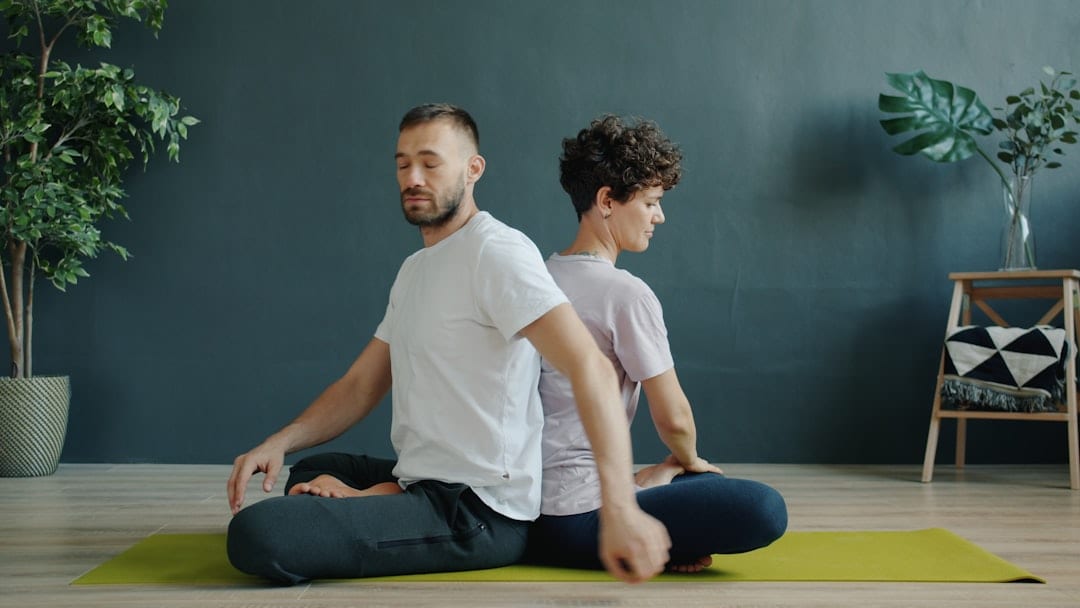
Good posture is the product of strong, balanced muscles that hold your spine in its natural alignment — and the right exercises can help you build and maintain it at any age. Whether you spend long hours at a desk, look down at a phone throughout the day, or are recovering from a spinal issue, targeted posture exercises can reduce pain, improve breathing, boost energy, and protect your joints for the long haul.
Key Takeaways
- Poor posture is largely driven by muscle imbalances — weak core and back muscles paired with tight chest and hip flexors — that exercises can directly address.
- A combination of strengthening, stretching, and alignment drills is more effective than any single movement alone.
- Consistency matters more than intensity: 10–15 minutes of focused posture work daily outperforms occasional long sessions.
- Upper cervical chiropractic care (including Atlas Orthogonal technique) addresses the structural foundation of posture at the top of the spine, making your exercises more effective.
- If you experience pain, numbness, or tingling while exercising, stop and consult a qualified healthcare provider before continuing.
What Is "Good Posture" — and Why Does It Matter?
Good posture means your body is aligned so that the least amount of stress is placed on your muscles, joints, and ligaments during movement and at rest. From the side, a well-aligned spine has three gentle natural curves: a forward curve at the neck (cervical lordosis), a backward curve at the mid-back (thoracic kyphosis), and a forward curve at the low back (lumbar lordosis).
When those curves are balanced, your body works efficiently. When they're not — because of sedentary habits, muscle imbalances, old injuries, or structural misalignments — you may notice:
- Rounded shoulders and a forward-jutting head ("tech neck")
- A hunched upper back (hyperkyphosis)
- An exaggerated low-back arch or a flattened lumbar spine
- One hip sitting higher than the other
- Persistent aching in the neck, shoulders, or back
The American Chiropractic Association recognizes poor posture as a significant contributor to musculoskeletal pain, and organizations like the NIH note that musculoskeletal conditions are among the leading causes of disability worldwide. Addressing posture proactively is one of the most practical things you can do for long-term health.
What Causes Poor Posture?
Understanding the root causes helps you choose the right corrective strategy:
- Muscle imbalances: Weak deep core muscles and rhomboids (mid-back) combined with overly tight chest (pectorals) and hip flexors are the classic recipe for slouching.
- Prolonged sitting: Sitting compresses spinal discs and encourages the hips and chest to tighten while the glutes and back muscles weaken from disuse.
- "Tech neck": For every inch your head moves forward from its neutral position, the effective load on your cervical spine increases significantly — this is a well-established biomechanical principle.
- Spinal misalignments: Even small shifts in vertebral position, particularly at the atlas (C1) and axis (C2) at the top of the cervical spine, can alter muscle tone and balance throughout the entire body.
- Previous injuries: Whiplash, disc injuries, or car accident trauma can cause compensatory posture patterns that become habitual if left unaddressed.
Easy, Effective Exercises for Good Posture
These exercises are organized from foundational awareness drills to targeted strengthening and mobility work. No equipment is required for most of them.
1. Wall Angel (Spinal Alignment Awareness)
This simple drill teaches your body what neutral alignment actually feels like.
How to do it:
- Stand with your back flat against a wall, feet about 4 inches from the baseboard.
- Press your low back, mid-back, and the back of your head against the wall (engage your core gently to achieve this).
- Raise your arms to a "goalpost" position (elbows bent at 90°) with the backs of your arms touching the wall.
- Slowly slide your arms up toward overhead, maintaining contact between your arms, wrists, and the wall.
- Return to the starting position. Repeat 10 times.
Why it works: Wall angels expose tightness in the chest and shoulders while reinforcing proper spinal curvature — all without any equipment.
2. Chin Tucks (Cervical Postural Reset)
One of the most clinically recommended exercises for correcting forward head posture.
How to do it:
- Sit or stand tall with your shoulders relaxed.
- Without tilting your chin up or down, gently draw your head straight back — as if making a "double chin."
- Hold for 3–5 seconds, then release.
- Repeat 10–15 times, 2–3 times per day.
Why it works: Chin tucks activate the deep cervical flexor muscles that support the head and help reposition the atlas region toward neutral. They are particularly beneficial for those experiencing neck pain or headaches related to forward head posture.
3. Thoracic Extension over a Foam Roller (Upper Back Mobility)
A tight thoracic spine forces compensation at the neck and low back. This exercise restores mid-back mobility.
How to do it:
- Place a foam roller horizontally on the floor and sit in front of it.
- Lean back so the roller is positioned across your mid-back (not your low back or neck).
- Support your head with your hands and gently extend over the roller, opening your chest toward the ceiling.
- Breathe deeply and hold for 20–30 seconds. Shift the roller up one segment and repeat.
- Work from the lower thoracic spine to the upper thoracic spine.
Why it works: Restoring thoracic extension directly reduces compensatory strain on the cervical and lumbar spine.
4. Bird-Dog (Core and Spinal Stabilization)
This is a foundational exercise for building the deep stabilizer muscles that hold your spine in alignment.
How to do it:
- Start on all fours with your wrists under your shoulders and knees under your hips.
- Brace your core gently (imagine you're about to be lightly poked in the stomach).
- Simultaneously extend your right arm forward and your left leg back, keeping your hips level and your spine neutral.
- Hold for 3–5 seconds, then return to the start. Alternate sides.
- Complete 3 sets of 8–10 repetitions per side.
Why it works: Bird-dog trains the multifidus and transverse abdominis — the deep spinal muscles most responsible for postural stability — without loading the spine excessively.
5. Prone Cobra / "Superman" (Upper and Lower Back Strengthening)
How to do it:
- Lie face-down on a mat with your arms at your sides, palms facing down.
- Gently squeeze your glutes and lift your chest, arms, and legs a few inches off the floor simultaneously.
- Rotate your thumbs toward the ceiling (external rotation of the shoulders) and hold for 3–5 seconds.
- Lower slowly. Repeat 10–12 times.
Why it works: This exercise directly strengthens the erector spinae and rhomboids — the muscles most responsible for keeping you upright and your shoulders back.
6. Hip Flexor Stretch (Releasing the Anterior Pull)
Tight hip flexors tip the pelvis forward and exaggerate lumbar lordosis. Stretching them is essential for balanced posture.
How to do it:
- Kneel on your right knee with your left foot forward (a half-kneeling position).
- Gently tuck your tailbone under (posterior pelvic tilt) and shift your weight slightly forward until you feel a stretch in the front of your right hip.
- Hold for 30–45 seconds, then switch sides.
- Repeat 2–3 times per side.
7. Doorway Chest Stretch (Opening the Anterior Chain)
How to do it:
- Stand in a doorway with your elbows bent at 90° and forearms resting on the door frame.
- Step one foot through the doorway and gently lean forward until you feel a stretch across the chest and front of the shoulders.
- Hold for 30 seconds. Repeat 2–3 times.
Why it works: Stretching the pectorals counteracts the internal shoulder rotation that pulling on keyboards, steering wheels, and phones creates over time.
How Upper Cervical Chiropractic Care Supports Better Posture
Exercises are powerful — but they work best when your spine is structurally sound. The atlas (C1 vertebra) sits at the very top of your cervical spine, directly beneath the skull, and it plays a disproportionately large role in overall postural balance. When the atlas is even slightly misaligned, the brain and body compensate by shifting weight, tilting the head, and altering muscle tension all the way down to the pelvis. This is why some people do all the right exercises and still struggle with posture.
Atlas Orthogonal chiropractic is a precise, gentle technique that uses a sound-wave instrument to correct atlas misalignment without forceful manipulation. Because the adjustment is so targeted, it can help normalize muscle tone, restore proper spinal curvature, and give your postural muscles a better structural platform to work from. When the atlas is properly positioned, the exercises described above become significantly more effective.
As MedlinePlus (a service of the U.S. National Library of Medicine) notes, musculoskeletal pain is often multifactorial — meaning a combined approach that addresses both structure and muscle function typically yields the best results.
What to Expect When You Visit Atlas Injury to Health
At our clinics, every patient begins with a thorough postural assessment and consultation. For those pursuing upper cervical care, precise digital X-rays are taken to measure atlas alignment before any adjustment is made. The Atlas Orthogonal adjustment itself is gentle enough that most patients feel little to no discomfort during the procedure. Many patients report feeling lighter, taller, or more relaxed immediately afterward.
Your care plan will typically include:
- Specific corrective exercises tailored to your posture findings
- Recommendations for ergonomic adjustments at work and home
- Progress reassessments to track improvement in alignment and symptoms
Risks, Safety, and When to See a Professional
The exercises listed above are appropriate for most healthy adults. However, you should consult a qualified healthcare provider before starting if you have:
- A diagnosed spinal condition such as spinal stenosis, disc injury, or scoliosis
- Recent surgery or significant trauma (including car accident injuries or whiplash)
- Numbness, tingling, or radiating pain (which may suggest a pinched nerve or sciatica)
- Pregnancy (always consult your OB and chiropractor before beginning new exercises)
- Severe or worsening pain during any movement
Never push through sharp, shooting, or neurological pain during exercise.
Frequently Asked Questions
How long does it take to see results from posture exercises?
Most people notice improved body awareness and reduced muscular tension within 2–4 weeks of consistent daily practice. Visible, lasting changes in posture typically take 2–3 months of regular exercise combined with any necessary structural corrections. Consistency is far more important than the duration of individual sessions.
Can exercises alone fix my posture, or do I need chiropractic care too?
Exercises address the muscular component of posture — strengthening weak muscles and stretching tight ones. However, if there is an underlying structural misalignment (particularly at the upper cervical spine), exercises alone may produce limited results. The most effective approach usually combines corrective exercises with chiropractic adjustments to address both the structural and muscular contributors simultaneously.
How often should I do posture exercises?
A daily routine of 10–15 minutes is ideal. Shorter, more frequent sessions are more effective than occasional long workouts for retraining postural habits. Many of the exercises above — especially chin tucks and hip flexor stretches — can be done at your desk or during breaks throughout the workday.
Can poor posture cause headaches or migraines?
Yes. Forward head posture places increased mechanical stress on the cervical spine and the muscles at the base of the skull, which can trigger tension-type headaches and, in some individuals, contribute to migraines. Correcting upper cervical alignment and strengthening the deep neck flexors are commonly recommended interventions for posture-related head pain.
Are these exercises safe during pregnancy?
Many of these exercises — particularly gentle stretching and core stability work — can be safe and beneficial during pregnancy, but you should always get clearance from your obstetrician and consider working with a chiropractor experienced in prenatal care before beginning any new exercise program. Certain positions (like lying face-down) will need to be modified as pregnancy progresses.
If you're ready to take a more complete approach to your posture and spinal health, the team at Atlas Injury to Health would love to help. With clinics in Winter Garden and Ocala, Florida, we specialize in Atlas Orthogonal upper cervical chiropractic care and offer individualized programs designed to improve your posture, reduce pain, and support your overall well-being. Book your consultation today — your spine will thank you.
Ready to take the next step?
Schedule a consultation to see how Atlas can help you.
Schedule a Consultation