
Peripheral Neuropathy Treatment in Ocala: Options to Understand Before You Decide
Written & medically reviewed by Dr. Michael St. Louis, D.C.
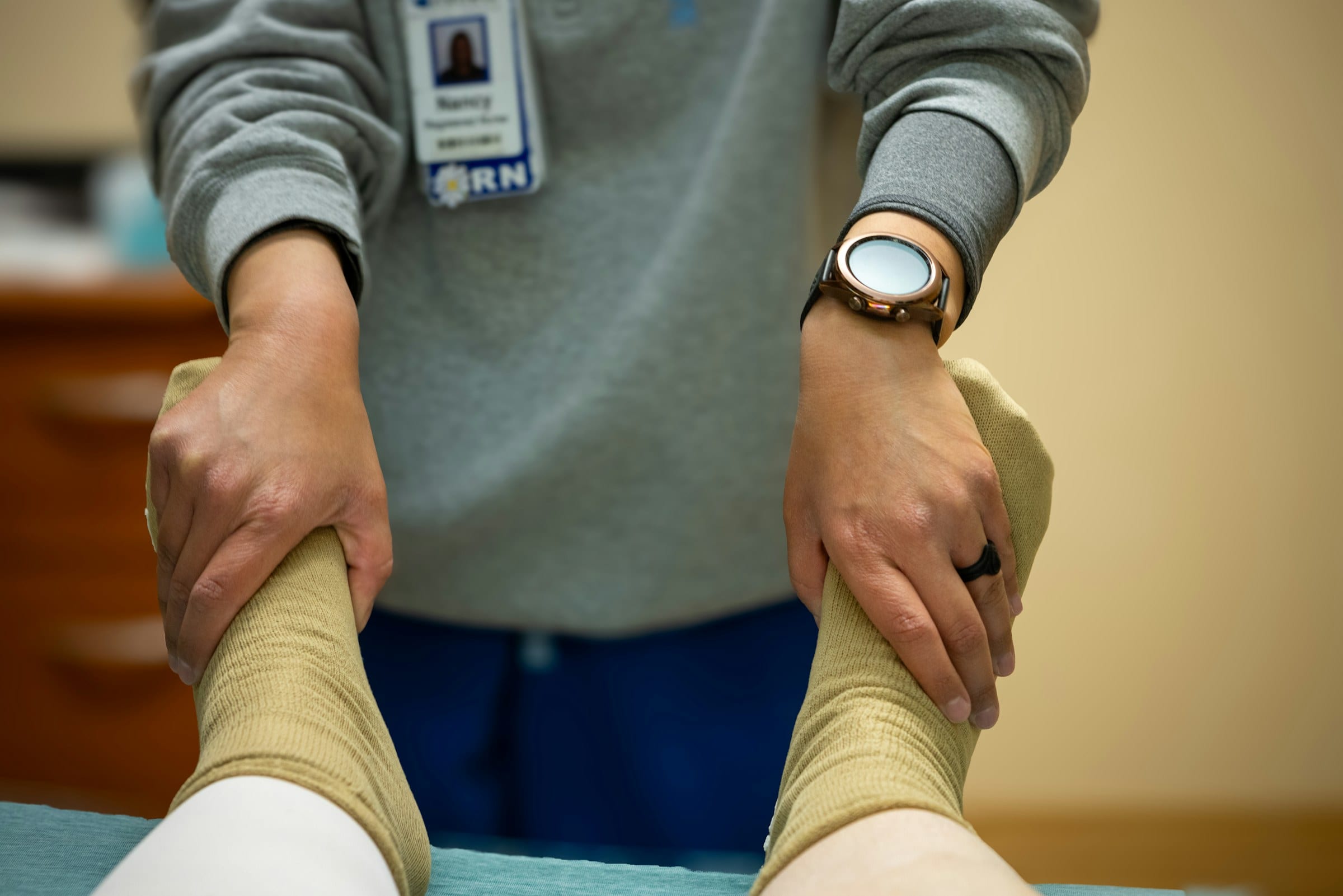
Good peripheral neuropathy treatment begins with a thorough evaluation to understand what is contributing to your symptoms, and then combines medical care for any underlying condition with supportive, non-invasive options aimed at helping you move and feel better. There is rarely a single answer, which is why understanding your choices before you commit to one is time well spent.
If you live in Marion County and have noticed tingling, numbness, or burning in your feet or hands, you have more options to explore than you may think. This guide walks through what peripheral neuropathy is, what can contribute to it, how conventional care works, and what we offer at Atlas Injury to Health in Ocala.
Key Takeaways
- Peripheral neuropathy is a group of conditions affecting the nerves outside the brain and spinal cord, and it has many possible contributing factors, so evaluation comes first.
- Your primary care physician or neurologist should be part of your care journey, especially if diabetes, medication effects, or vitamin deficiency may be involved.
- Conventional options include medication and physical therapy. Supportive options at Atlas include advanced diagnostics, upper cervical care, nutritional support, therapeutic exercise, and SoftWave Tissue Regeneration Therapy.
- Results vary from person to person, and no approach can promise a particular outcome.
- Sudden weakness, loss of bladder or bowel control, or rapidly spreading numbness need prompt medical attention, not a wait-and-see approach.
What Peripheral Neuropathy Actually Is
Your peripheral nerves are the communication lines between your brain and spinal cord and the rest of your body: your hands, feet, legs, arms, skin, and organs. They carry signals for sensation, movement, and automatic functions. When those nerves are damaged or irritated, the messages can get distorted, weakened, or blocked.
People describe it in different ways. Common sensations include:
- Tingling or "pins and needles"
- Numbness, often starting in the toes or fingers
- Burning or electric-like pain, often worse at night
- Sensitivity to touch that would not normally hurt
- Weakness, clumsiness, or feeling unsteady on your feet
Symptoms often begin in the feet and move upward, but patterns differ. For a plain-language overview, the National Institute of Neurological Disorders and Stroke at NIH and MedlinePlus both offer patient-friendly explanations of neuropathy. You can also read more about how we approach it on our neuropathy condition page.
Common Contributing Factors Worth Discussing With Your Doctor
Peripheral neuropathy is a description of what is happening to the nerves, not a single diagnosis. Understanding what may be contributing is the most important step in choosing among peripheral neuropathy treatment options. Factors that are commonly discussed include:
Diabetes and blood sugar
Long-standing high blood sugar is one of the most frequently cited contributors to nerve changes in the feet and hands. If you have diabetes or prediabetes, managing blood sugar with your physician is a foundation of care. The American Diabetes Association is a helpful general reference.
Circulation
Nerves depend on healthy blood flow. When circulation to the legs and feet is reduced, nerve tissue may be affected. Cool feet, color changes, or leg cramping when walking are worth mentioning to your physician.
Medication effects
Some medications, including certain chemotherapy drugs, are known to affect nerves in some people. Never stop or change a prescribed medication on your own. Instead, bring your symptoms and a full medication list to the prescriber who manages it.
Vitamin and nutrient deficiencies
Low levels of certain vitamins, particularly B12, can be associated with nerve symptoms. A simple blood test ordered through your physician can help answer this question. Nutrition also matters for general nerve and metabolic health.
Spinal nerve irritation
Nerves exit the spine on their way to the arms and legs. Irritation or pinching near the spine, such as from a disc problem or narrowing in the canal, can produce symptoms that feel similar to neuropathy in the limbs. Sorting out whether symptoms originate at the spine or farther out in the limb is part of a careful evaluation. Related pages include pinched nerve and sciatica.
Other possibilities
Alcohol use, thyroid conditions, kidney problems, infections, autoimmune conditions, prior injuries, and repetitive pressure on a nerve can also play a role. In some people, no clear cause is found.
Why Evaluation and Medical Coordination Come First
It is tempting to jump straight to whatever promises relief. But because the possible causes are so varied, the most useful first step is a complete picture. Some contributing factors, such as diabetes or a B12 deficiency, need medical management no matter what other care you pursue.
That is why we encourage you to stay connected with your primary care physician or neurologist. They can order lab work, review your medications, and perform nerve testing when it is appropriate. Our role is to complement that care, not replace it. If your physician identifies a specific cause, we are glad to work alongside that guidance, and we will tell you plainly if something falls outside what we offer.
What Peripheral Neuropathy Treatment Looks Like in Conventional Care
Knowing the mainstream options helps you weigh everything else. Conventional care typically includes:
- Managing the underlying condition. Blood sugar control, correcting deficiencies, or adjusting medications when appropriate.
- Medication for symptoms. Physicians may prescribe medications aimed at nerve-related pain. These can help some people and may cause side effects in others, so it is worth discussing the tradeoffs with your prescriber.
- Physical therapy. Targeted exercises for strength, balance, and flexibility can support mobility and help reduce fall risk.
- Foot care and safety measures. When sensation is reduced, daily foot checks, proper footwear, and home safety adjustments matter.
- Referral for further testing or procedures when symptoms suggest a structural problem that needs specialist attention.
None of these are mutually exclusive with supportive, non-invasive care. Many people use several together.
Supportive Options Available at Atlas in Ocala
Atlas is a precision wellness center. Our approach is gentle and non-invasive, and it is built around your own evaluation rather than a one-size-fits-all protocol. Here is what we may use, depending on what we find.
Advanced diagnostics
We begin by listening to your history and performing a thorough exam, supported by advanced diagnostics when they are appropriate. The goal is to understand how your spine, posture, movement, and nerve function fit together, and to identify anything that should be referred back to your physician. Learn more about our imaging services.
Upper cervical care
Upper cervical practitioners hold that the top of the neck, where the skull meets the spine, plays an important role in how the nervous system communicates with the rest of the body. Upper cervical care is aimed at gently reducing stress in that region, and the clinical rationale is that this may support overall nervous system function. This is a rationale rather than settled science, and responses differ from person to person. We do not claim it treats neuropathy itself.
At Atlas, this work includes Atlas Orthogonal, a gentle, precise technique that does not involve twisting or forceful manipulation of the neck. Dr. Michael St. Louis trained directly under Dr. Roy Sweat, who created the technique. You can also read about upper cervical care more broadly.
Nutritional support
Because diet, blood sugar, and nutrient status are often part of the neuropathy conversation, we offer nutritional guidance as part of your care journey. This works alongside, not instead of, lab work and medical management from your physician. Our metabolic health page explains how we think about this.
Therapeutic exercise and soft tissue work
Gentle, progressive exercise can support balance, strength, and confidence when walking. Massage and soft tissue work may help with muscle tension and general comfort. Movement matters a great deal for independence, and we tailor it to what feels safe for you.
SoftWave Tissue Regeneration Therapy
SoftWave Tissue Regeneration Therapy uses a device that is FDA-cleared. That is a regulatory fact about the device itself; it does not mean the therapy has been shown to resolve neuropathy.
The stated rationale is that the device delivers acoustic waves to tissue, and the intention is to encourage circulation and support the body's natural repair processes in the treated area. Treatment is applied externally, is non-surgical, and does not involve needles. Some people explore it as part of a broader care journey, but we describe it honestly: it is an option to consider, not a promise.
What to Expect at Your First Visit
Predictability matters when you are deciding who to trust with your care. Here is what a first visit at our Ocala location generally involves:
- A conversation. You tell us when symptoms began, what they feel like, what makes them better or worse, and what your physician has already found.
- A review of your health history. Please bring a medication list and any recent lab results or nerve test reports.
- A physical and neurological exam, including posture, movement, reflexes, and sensation, with advanced diagnostics when they are appropriate.
- A clear explanation. We walk you through what we found, which options may fit, and what we think should be coordinated with your physician.
- Your decision. You leave knowing your options and the suggested next steps, without pressure to commit on the spot.
Atlas is out of network with health insurance and does not bill insurance, so our clinical team is happy to answer questions about how visits work before you come in.
Red-Flag Symptoms That Need Prompt Medical Attention
Most neuropathy develops gradually. Some symptoms, however, call for urgent evaluation. Seek emergency care or contact your physician right away if you experience:
- Sudden weakness or numbness, especially on one side of the body
- Trouble speaking, facial drooping, or sudden confusion
- Loss of bladder or bowel control, or numbness in the groin or saddle area
- Rapidly spreading numbness or weakness over hours or days
- A foot wound, sore, or infection you cannot feel, particularly if you have diabetes
- Severe pain with fever, or symptoms following a significant injury
When in doubt, call your doctor or go to the emergency room first. We would rather you be checked early.
Questions to Ask Any Provider Before You Decide
Whichever route you choose, a good provider will welcome these questions:
- What do you think may be contributing to my symptoms?
- How will you coordinate with my physician?
- What can I realistically expect, and how will we know if it is helping?
- What are the alternatives, and what are the risks?
- What will a typical visit involve?
If a provider guarantees a cure or discourages you from seeing your physician, treat that as a reason to pause.
Frequently Asked Questions
Can peripheral neuropathy be reversed?
It depends on the cause and how long nerves have been affected. When a contributing factor such as a vitamin deficiency or a medication effect is identified and addressed, symptoms may improve for some people. In other cases, the goal is to manage symptoms and support function. Your physician can give you the most accurate picture for your situation.
Do I need to see my doctor before visiting a chiropractic wellness center?
We strongly encourage staying in touch with your primary care physician or neurologist, particularly if you have diabetes, take medications that may affect nerves, or have not had lab work done. We can begin with an evaluation, and we will tell you if something should be checked medically first.
Is upper cervical care safe for someone with neuropathy?
Atlas Orthogonal is a gentle technique that does not use twisting or forceful movements of the neck. Your evaluation will determine whether it is appropriate for you. As with any care, it is not guaranteed to help, and we will discuss the rationale and limits with you in advance.
What is SoftWave therapy, and is it proven for neuropathy?
SoftWave Tissue Regeneration Therapy uses an FDA-cleared device that delivers acoustic waves to tissue. The stated rationale is that it may support circulation and tissue repair in the treated area. FDA clearance of the device is not the same as proof that it resolves neuropathy, so we describe it as an option to explore, not a promised outcome.
How long does it take to know whether care is helping?
This varies widely. During your first visit, we will talk about how we will track changes, such as sensation, balance, comfort, and daily activity, so that you and our clinical team can make decisions together along the way.
Take the Next Step Toward Clarity
Choosing peripheral neuropathy treatment does not have to feel rushed. A calm, thorough evaluation can help you understand what is contributing to your symptoms, which options fit, and how they work alongside your physician's care.
If you live in Ocala or elsewhere in Marion County, we would be glad to help you explore your options. Schedule a consultation at our Ocala location to begin.
This article is for general education and is not a substitute for medical advice, diagnosis, or treatment. Always consult a qualified healthcare provider about your symptoms.
Ready to take the next step?
Schedule a consultation to see how Atlas can help you.
Schedule a Consultation