Neuropathy Treatment in Ocala: A Non-Surgical Path to Relief
Written & medically reviewed by Dr. Michael St. Louis, D.C.
Effective neuropathy treatment in Ocala starts with identifying the root cause of nerve damage and addressing it with a combination of gentle, non-surgical therapies — not just masking the burning, tingling, or numbness with medication. At Atlas Injury to Health, our four-component approach is designed to calm irritated nerves, improve circulation, and help you get back to the horse farm, the golf course, or simply a good night's sleep without pain in your feet.
If you've been told that nerve damage is permanent or that surgery is your only option, we want you to know that's not always the full picture. Many patients find meaningful relief through conservative, whole-body care — often before more invasive options are ever needed.
Key Takeaways
- Neuropathy treatment in Ocala at Atlas Injury to Health uses a four-component protocol: nerve-focused chiropractic care, targeted soft tissue therapy, SoftWave regenerative technology, and personalized home care support.
- Ocala's retiree and equestrian community faces higher rates of peripheral neuropathy linked to diabetes, age-related nerve degeneration, and old injuries — but non-surgical options exist.
- Treatment focuses on improving nerve signaling and blood flow rather than simply masking symptoms with medication.
- Many patients want to avoid surgery or long-term prescription dependence, and our approach is built around gentle, low-impact care appropriate for older adults.
- Early evaluation matters — nerve damage tends to progress if left unaddressed, so timely care can help prevent worsening symptoms.
Why Neuropathy Is Especially Common in the Ocala Community
Ocala's demographics make nerve pain a particularly pressing issue for local residents. As a retirement destination and the heart of Florida's horse country, the area has a large population of older adults, many of whom spend years on their feet working with animals, gardening, or staying active outdoors.
Peripheral neuropathy — nerve damage that most often affects the hands and feet — becomes more common with age, and it's frequently linked to diabetes, a condition that affects a significant portion of older Floridians. According to the National Institutes of Health, diabetic neuropathy is among the most prevalent forms of nerve damage in the United States, and its risk increases with age and how long someone has lived with elevated blood sugar.
Beyond diabetes, neuropathy in Ocala patients is often connected to:
- Repetitive strain from years of physical work or riding
- Old injuries that compressed or irritated nerves over time
- Vitamin deficiencies common in older adults
- Circulatory issues that reduce blood flow to nerve tissue
- Spinal misalignments that pinch nerves at the root
Because so many of these contributing factors are structural or lifestyle-related, they often respond well to conservative, hands-on care rather than requiring immediate pharmaceutical or surgical intervention.
Understanding Your Symptoms Before Seeking Treatment
Neuropathy doesn't look the same for everyone, but most patients describe a combination of the following:
- Burning or tingling sensations in the feet, hands, or legs
- Numbness that makes it hard to feel the ground while walking
- Sharp, shooting pains that come and go
- Increased sensitivity to touch, even from bedsheets or socks
- Muscle weakness or balance problems
If you're noticing these symptoms, it's worth having a thorough evaluation rather than assuming they're simply "part of getting older." Nerve damage that goes unaddressed can progress, and early intervention typically yields better outcomes. Our team also evaluates related conditions such as pinched nerve issues and sciatica, since nerve compression in the spine can sometimes mimic or worsen peripheral neuropathy symptoms.
Our Four-Component Neuropathy Treatment Protocol
Rather than treating neuropathy with a single tool, Atlas Injury to Health uses a layered protocol designed to address nerve health from multiple angles.
1. Nerve-Focused Chiropractic Care
Misalignments in the spine — particularly in the lower back and neck — can compress nerves at their root, contributing to or worsening peripheral symptoms. Gentle chiropractic care helps restore proper alignment, reducing pressure on nerve pathways and supporting the nervous system's natural function. For patients concerned about more forceful adjustments, we also offer upper cervical care and Atlas Orthogonal technique, which use extremely light, precise corrections — often described as one of the gentlest forms of chiropractic care available, and well-suited to older patients or those with osteoporosis concerns.
2. Targeted Soft Tissue Therapy
Tight or restricted soft tissue around compressed nerves can restrict blood flow and worsen symptoms. Manual therapy techniques help release this tension, improve local circulation, and support the nerve's ability to heal.
3. SoftWave Regenerative Technology
SoftWave therapy uses acoustic wave technology to stimulate cellular repair and improve blood flow at the site of nerve damage. This non-invasive, drug-free technology has become an increasingly popular option for patients seeking regenerative support without surgery or injections, and it's particularly appealing to patients who want to avoid downtime.
4. Personalized Home Care Support
Nerve healing doesn't stop when you leave our office. We work with each patient on a home care plan that may include specific stretches, activity modifications, and lifestyle guidance to support nerve health between visits — an approach consistent with recommendations from organizations like MedlinePlus regarding conservative neuropathy management.
A Gentle, Predictable-Cost Approach for Ocala Patients
We understand that many patients seeking neuropathy treatment in Ocala want care that fits within a fixed, predictable budget. We are out of network on all health plans and do not bill insurance, so the cost of your care is set out clearly before you begin.
Just as importantly, our techniques are chosen with older adults in mind. Nothing about our approach involves forceful manipulation or high-impact procedures — the goal is always gentle, low-risk care that respects your body's current condition while still creating meaningful change.
Why Choose a Non-Surgical Path First
Surgical intervention for nerve-related conditions is sometimes necessary, particularly when there's significant structural compression that hasn't responded to conservative care. But for many patients, especially those whose neuropathy stems from circulatory issues, spinal misalignment, or diabetes-related nerve changes, non-surgical care offers a lower-risk starting point.
The American Chiropractic Association and other health organizations increasingly recognize the value of conservative, multidisciplinary approaches to nerve pain — particularly for patients who want to avoid the risks and recovery time associated with surgery. Working with your primary care physician and a qualified chiropractic team can help you build a comprehensive plan that fits your health goals.
Frequently Asked Questions
How long does neuropathy treatment take to show results?
Every patient is different, and results depend on the underlying cause and severity of nerve damage. Some patients notice symptom improvement within a few weeks of starting care, while more longstanding or severe cases may require several months of consistent treatment. During your initial evaluation, we'll give you a realistic timeline based on your specific presentation.
Is neuropathy treatment in Ocala covered by Medicare?
We are out of network with all health insurance plans and do not bill insurance for payment. You will know the full cost of your recommended care before it begins, and many patients use an HSA or FSA. We can provide documentation you may submit to your carrier yourself. Care following an auto accident is handled separately through Florida PIP.
Can neuropathy be reversed, or only managed?
This depends heavily on the cause. Nerve damage from prolonged, unmanaged diabetes may be more difficult to fully reverse, but many patients still see significant symptom reduction with the right care. Neuropathy caused by nerve compression or circulatory issues often has a more favorable outlook for improvement. A thorough evaluation is the best way to understand your prognosis.
Do I need a referral to start treatment?
No referral is typically required to schedule an evaluation with our team. However, we do recommend keeping your primary care physician informed, particularly if your neuropathy is related to diabetes or another systemic condition, so your care stays coordinated.
What should I expect at my first appointment?
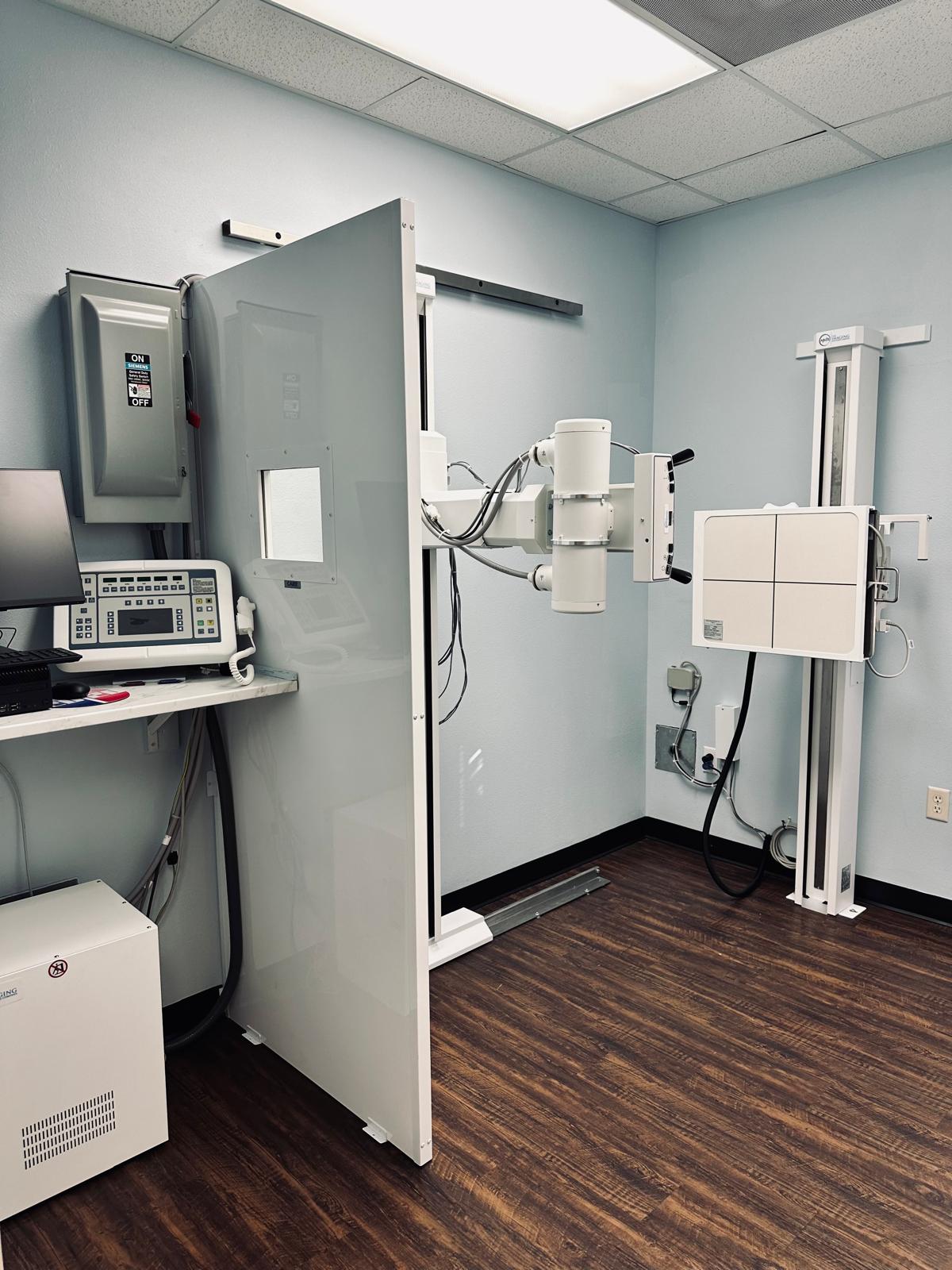
Your first visit will include a detailed health history, a physical evaluation of your symptoms, and often X-ray imaging if spinal involvement is suspected. From there, we'll build a personalized treatment plan and walk you through exactly what to expect in the weeks ahead.
Take the Next Step Toward Nerve Pain Relief
You don't have to accept burning feet, restless nights, or unsteady balance as an unavoidable part of aging. Our Ocala team is here to help you explore a gentle, non-surgical path toward relief with a plan built around your specific needs. Schedule a consultation with Atlas Injury to Health today and take the first step toward getting your comfort — and your active lifestyle — back.
Related Articles
Fibromyalgia Pain Relief in Ocala: A Gentle, Non-Surgical Path Forward
Discover how Atlas Orthogonal and SoftWave Therapy combine for gentle, non-surgical fibromyalgia pain relief in Ocala — designed with retirees and active adults in mind.
Understanding Neuropathy: Causes, Symptoms, and Chiropractic Solutions
Explore the causes and symptoms of neuropathy and learn how Atlas Orthogonal upper cervical chiropractic care can offer meaningful relief.
Ready to take the next step?
Schedule a consultation to see how Atlas can help you.
Schedule a Consultation