
Fibromyalgia Pain Relief in Winter Garden: A Gentle Approach
Written & medically reviewed by Dr. Michael St. Louis, D.C.
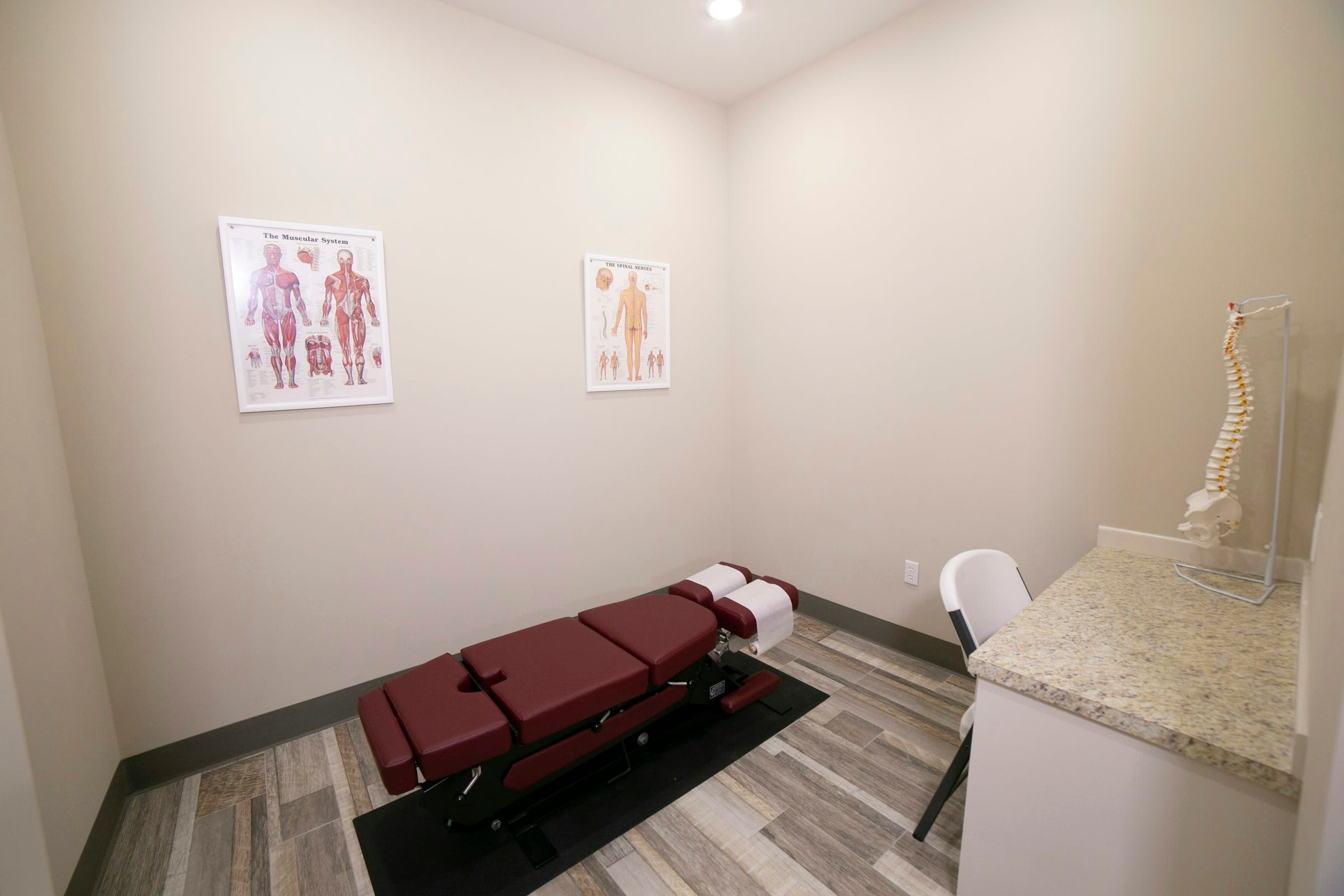
Fibromyalgia pain relief in Winter Garden doesn't have to mean more medication or aggressive manual therapy that leaves you sore for days. At Atlas Injury to Health, we combine ultra-gentle Atlas Orthogonal upper cervical care with SoftWave tissue therapy to calm an overactive nervous system and support your body's natural healing response — without the deep pressure or forceful adjustments that can make fibromyalgia symptoms flare.
If you're living with fibromyalgia in Winter Garden, you already know that finding relief is rarely simple. Between widespread pain, fatigue, brain fog, and heightened sensitivity to touch, even well-meaning treatments can sometimes do more harm than good. That's why we built our approach around a different philosophy: work with your nervous system, not against it.
Why Fibromyalgia Requires a Different Kind of Care
Fibromyalgia isn't just about sore muscles. Research from organizations like the National Institutes of Health points to central sensitization — a state where the nervous system amplifies pain signals throughout the body. This means the brain and spinal cord essentially turn up the "volume" on pain, making even light touch or mild pressure feel intense.
This is a critical distinction for anyone seeking fibromyalgia pain relief in Winter Garden, because it explains why traditional deep-tissue massage, high-velocity spinal manipulation, or aggressive physical therapy protocols often backfire for fibromyalgia patients. The nervous system is already on high alert; forceful treatment can trigger a flare instead of relief.
Instead, care for fibromyalgia should focus on:
- Reducing nervous system irritability rather than forcing tissue change
- Using low-force, precise techniques instead of high-impact adjustments
- Supporting the body's own regulatory systems (sleep, circulation, cellular repair)
- Building a sustainable plan that fits a busy, active lifestyle
Key Takeaways
- Fibromyalgia involves central nervous system sensitization, which is why gentle, low-force care often works better than aggressive manual therapy.
- Atlas Orthogonal is a precise, no-twisting, no-popping upper cervical technique well-suited to touch-sensitive patients.
- SoftWave therapy uses acoustic wave technology to support tissue repair and circulation without deep pressure.
- Our Winter Garden location offers a coordinated, medication-free path to symptom management for active adults and families.
- Every fibromyalgia case is different — a personalized evaluation is the first step toward a plan that actually fits your body and your life.
How Atlas Orthogonal Supports a Sensitive Nervous System
Atlas Orthogonal is one of the gentlest forms of chiropractic care available, and it's a natural fit for fibromyalgia patients who can't tolerate traditional adjustments. Rather than manually twisting or "popping" the spine, this technique uses a precision instrument to deliver a very light, calculated pulse to the uppermost vertebra — the atlas — to help restore proper alignment.
Because the upper cervical spine houses a dense concentration of nerve pathways connecting to the brainstem, even small misalignments here can influence how the nervous system processes pain, regulates sleep, and manages stress responses. For fibromyalgia patients, gently correcting this alignment may help reduce the overall "noise" the nervous system is generating.
You can learn more about how this technique works on our Atlas Orthogonal service page, including what a typical visit looks like and why no popping or twisting is involved.
What Makes It Different From Standard Chiropractic Adjustments
Traditional adjustments often involve broader force applied across multiple spinal segments. Atlas Orthogonal is far more targeted — think of the difference between a firm handshake and a precise, deliberate touch. For someone whose body reacts strongly to pressure, that distinction matters enormously.
Pairing SoftWave Therapy for Tissue-Level Support
While Atlas Orthogonal addresses the nervous system, SoftWave therapy works at the tissue level. This technology uses unfocused acoustic waves to stimulate blood flow, encourage cellular repair, and support the body's natural regenerative processes — all without needles, incisions, or deep manual pressure.
For fibromyalgia patients, this combination can be especially valuable because it addresses two dimensions of the condition at once:
- Nervous system regulation through gentle upper cervical care
- Tissue and circulatory support through non-invasive acoustic wave therapy
Neither approach requires the kind of forceful, prolonged pressure that can aggravate fibromyalgia's hallmark tenderness, making this pairing a genuinely non-invasive, medication-free option for symptom management.
Managing Fibromyalgia While Living an Active Winter Garden Life
Winter Garden is full of people juggling careers, family life, weekend farmers markets, and West Orange Trail bike rides — and fibromyalgia doesn't pause for any of it. Many patients tell us they've adapted their entire routine around unpredictable flare-ups, avoiding activities they used to love.
A sustainable care plan should work with that lifestyle, not add another burden to it. That's why our approach emphasizes:
- Short, low-impact visits that don't require extended recovery time
- Consistent, predictable scheduling that fits around work and family commitments
- Education so you understand your triggers and can make informed daily choices
- Coordination with your existing healthcare team, including your primary care physician or rheumatologist
Fibromyalgia often overlaps with other conditions we regularly see, including chronic headaches, neck pain, and disrupted sleep patterns. Addressing these overlapping issues together, rather than in isolation, tends to produce more meaningful improvements in day-to-day quality of life.
What to Expect at Your First Visit
If you're new to Atlas Injury to Health, your first visit at our Winter Garden location begins with a thorough conversation about your symptom history, pain patterns, and previous treatments. We'll likely recommend imaging such as gentle, low-radiation X-rays to assess your upper cervical alignment before recommending a specific care plan.
From there, we build a plan tailored to your sensitivity level and goals — always starting conservatively and adjusting based on how your body responds. Because fibromyalgia symptoms fluctuate, we stay flexible and continue reassessing throughout your care.
It's important to note that fibromyalgia is a complex, multifactorial condition, and no single treatment is a guaranteed cure. Organizations like the American Chiropractic Association and Mayo Clinic emphasize a multidisciplinary approach, and we encourage patients to view our care as one supportive piece of a broader wellness strategy that may include exercise, stress management, and medical care from your physician.
To learn more about how fibromyalgia is understood and managed more broadly, visit our dedicated fibromyalgia condition page, which outlines symptoms, contributing factors, and how our care model fits into a comprehensive plan.
Frequently Asked Questions
Is chiropractic care safe for people with fibromyalgia?
Gentle, low-force techniques like Atlas Orthogonal are generally well-tolerated by fibromyalgia patients because they avoid the forceful twisting and deep pressure that can trigger flares. However, every patient's sensitivity level is different, and a personalized evaluation is essential before starting any care plan.
How is Atlas Orthogonal different from traditional chiropractic adjustments?
Atlas Orthogonal uses a precision instrument to deliver a very light, targeted pulse to the upper cervical spine, rather than manual twisting or popping. This makes it a more comfortable option for touch-sensitive patients, including many with fibromyalgia.
Can SoftWave therapy help with fibromyalgia-related muscle pain?
SoftWave uses acoustic wave technology to support circulation and tissue repair without deep manual pressure, which may help some patients manage muscle discomfort as part of a broader, non-invasive care plan. It's not a standalone cure, and results vary by individual.
How many visits will I need to see improvement?
This varies significantly based on symptom severity, duration, and overall health. Some patients notice changes within the first few weeks, while others need a longer, more gradual plan. Your provider will discuss realistic expectations during your initial evaluation.
Do I need to stop my current fibromyalgia medications to try this approach?
No — you should never adjust or stop prescribed medications without talking to your prescribing physician first. Our care is designed to complement your existing medical treatment, not replace it.
Take the Next Step Toward Relief
Living with fibromyalgia doesn't mean you have to accept ongoing pain as your new normal, but it does deserve a thoughtful, nervous-system-aware approach. If you're ready to explore gentle, non-invasive fibromyalgia pain relief in Winter Garden, our team at Atlas Injury to Health is here to listen, evaluate, and build a plan around your specific needs. Schedule a consultation today and take the first step toward a calmer nervous system and a more comfortable daily life.
Ready to take the next step?
Schedule a consultation to see how Atlas can help you.
Schedule a Consultation