Athletes & Sports Performance
Trusted by Champions.
Available to Everyone.
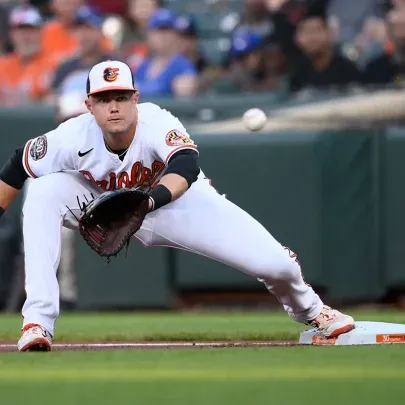
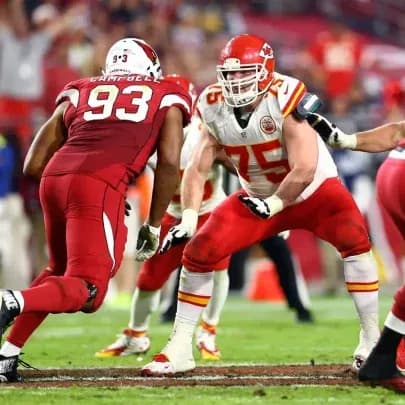
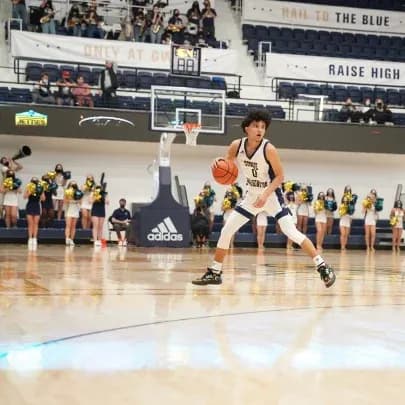
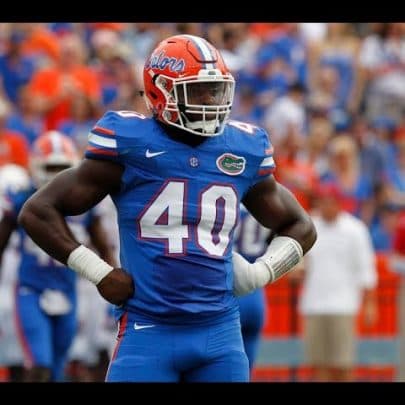
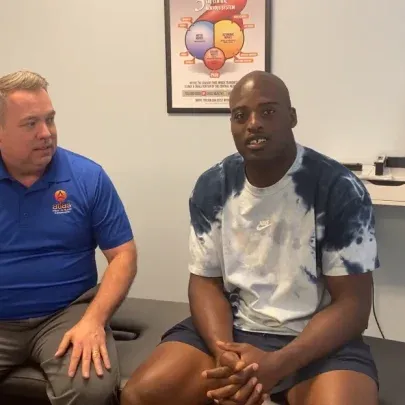
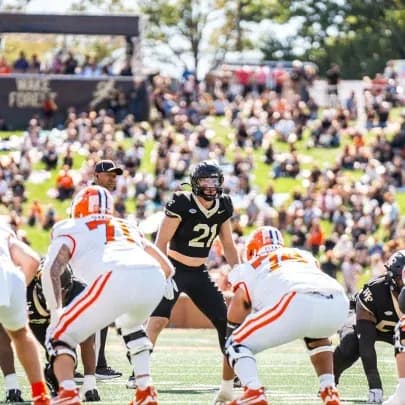
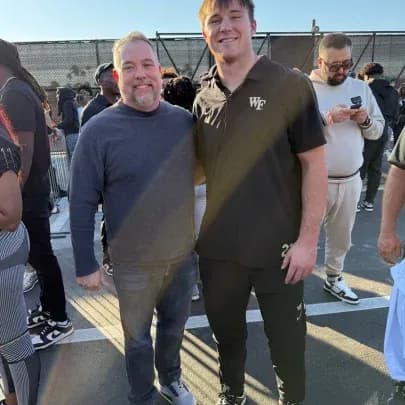
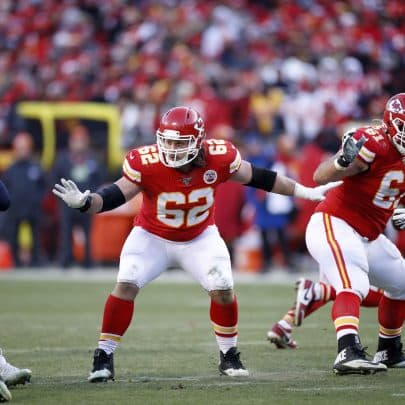
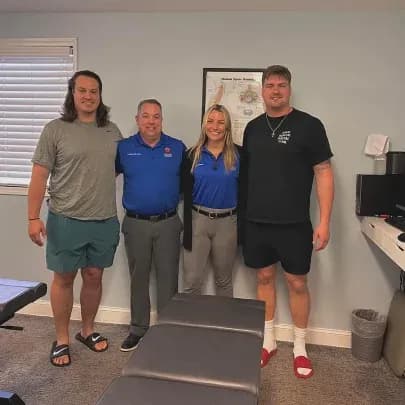
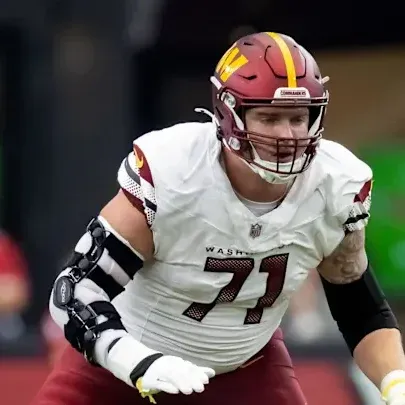
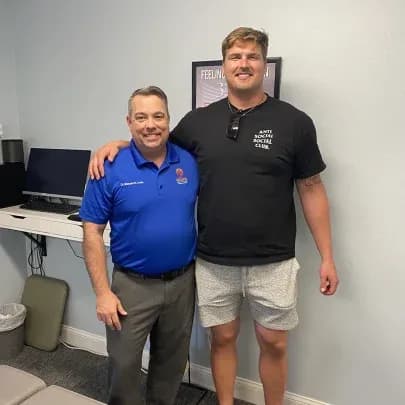
Sports chiropractic care at Atlas Injury to Health uses instrument-delivered upper cervical correction to restore alignment without twisting or manual force, so athletes can address the structural cause of recurring injuries and train through care rather than around it. Super Bowl champions Austin Reiter and Andrew Wylie, XFL Orlando Guardians, and the athletes at Coach Tom Shaw Performance choose Atlas for one reason: when every millimeter of spinal alignment affects performance, precision matters.
The Athletes Who Trust Us
Key Takeaways
- Atlas Orthogonal is delivered by precision instrument rather than by hand, so there is no twisting, no torque, and no downtime before training.
- Upper cervical alignment influences posture, balance, and how load moves through the body — often the reason a hamstring, shoulder, or hip problem keeps coming back.
- SoftWave therapy uses FDA-cleared unfocused shockwave technology to stimulate repair in tendons and soft tissue, with no anesthesia and no surgical recovery.
- A head impact rarely spares the neck, so lingering post-concussion dizziness or headache is worth a cervical evaluation alongside your physician's care.
- The same protocols apply to weekend runners and high-school athletes as to professionals — the technique does not change with the level of competition.
Why Pro Athletes Choose Atlas
Precision Without Force
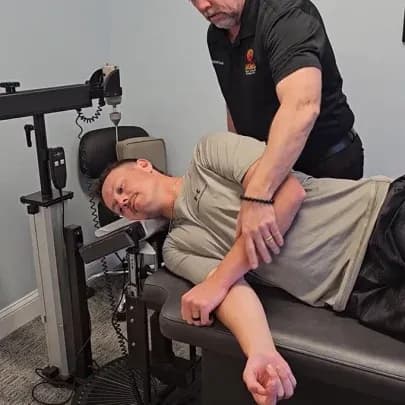
Traditional adjustments use manual manipulation — twisting, popping, cracking. For an NFL lineman, a tennis player, or anyone whose body is their livelihood, that kind of force carries risk. Atlas Orthogonal uses a precision instrument to deliver a measured, targeted adjustment without torque. It's why athletes at the highest levels choose it.
Faster Recovery, Fewer Missed Games
The upper cervical spine sits where the nervous system is most concentrated, and misalignment there can affect posture, proprioception, and how efficiently the body coordinates movement. Correcting the atlas vertebra is intended to remove that structural interference so the body can restore function on its own terms. What changes, and how quickly, varies by athlete, injury history, and how long the misalignment has been present.
SoftWave for Injury Recovery
SoftWave uses FDA-cleared unfocused shockwave technology to stimulate the body's own repair response in damaged tendons, ligaments, joints, and muscle. Unlike surgery or cortisone injection, it is non-invasive and requires no downtime. It is most often used for the stubborn, chronic tendinopathies that have not settled with rest alone.
Pre-Season, In-Season, Off-Season
Care plans are built around your schedule. We work with athletes year-round: optimizing movement in the off-season, maintaining during competition, and accelerating recovery when it matters most.
What a Sports Evaluation Involves
A first visit starts with history rather than treatment: what you play, how often, what has already been tried, and which injuries keep returning. That last question matters most, because a problem that resolves and then reappears in the same place is usually a mechanical one rather than a tissue one.
From there, our clinical team uses advanced diagnostics to measure upper cervical alignment precisely — direction and degree, not an impression — along with a postural and movement assessment. The imaging is what makes the correction specific to you; the instrument is set to the measurement rather than to a general technique.
Building the Plan Around Your Season
Care is sequenced differently depending on where you are in the calendar. In-season the priority is maintaining alignment and managing load without disrupting competition. Off-season allows for more corrective work, when a longer stabilisation period costs you nothing competitively. Pre-season focuses on movement quality before training volume climbs.
Young and High-School Athletes
West Orange County's youth travel-sport culture means a lot of competition happens away from home, mid-season, with a return-to-play decision waiting at the end of it. A growing athlete compensates around a problem quickly, which masks it — so an evaluation that finds nothing structural is still worth having, because it gives you a baseline to compare against if symptoms surface later. Care for young athletes is coordinated with, never a substitute for, their physician or team medical staff.
When to Explore Your Options
Upper cervical care is worth considering when an injury keeps returning after the tissue should have healed, when dizziness or headache persists after a head impact, or when conservative treatment has managed symptoms without changing the pattern underneath. It is not a substitute for urgent medical assessment: a suspected fracture, a complete tendon rupture, or an acute head injury needs evaluation by a qualified provider first.
Frequently Asked Questions
- Do I have to be a professional athlete to be treated here?
- No. The same protocols used for professional players are used for high-school and collegiate athletes, weekend runners, golfers, and adults who simply want to keep training without pain. The technique does not change with the level of competition — what changes is how the care plan fits around your season, your schedule, and your goals.
- Will an adjustment affect my performance on competition day?
- Atlas Orthogonal is instrument-delivered and low-force, so there is no manual twisting and no recovery period afterward. Many athletes schedule care close to competition for that reason. Your provider will discuss timing with you and adjust the plan around your calendar rather than asking you to work around ours.
- How is this different from the chiropractic care my team already provides?
- Most sports chiropractic focuses on manual adjustment of the area that hurts. Upper cervical care starts at the top of the spine, where alignment influences posture, balance, and how load is distributed through the rest of the body. It is often the reason a recurring hamstring, shoulder, or hip problem keeps returning after the local tissue has healed.
- Can upper cervical care help with a sports concussion?
- A head impact rarely spares the neck. The same force that causes a concussion can shift the upper cervical vertebrae, and that misalignment can prolong dizziness, headaches, and balance problems well after the concussion protocol has been completed. Advanced diagnostics help identify whether a cervical component is contributing. Concussion care should always be coordinated with your physician or team medical staff.
- What does SoftWave therapy do that rest does not?
- Rest reduces aggravation but does little to change the condition of damaged tissue, which is why overuse injuries so often return on the first hard week back. SoftWave uses FDA-cleared unfocused shockwave technology to stimulate a repair response in tendons, ligaments, and soft tissue directly at the site. Sessions are short, require no anesthesia, and most people resume normal activity the same day.
- How soon should a young athlete be evaluated after an injury?
- Sooner is better, particularly for neck and head injuries, because a growing athlete will compensate around a problem quickly and mask it. An evaluation that finds nothing structural is still a useful result — it rules out a contributor and gives you a baseline to compare against if symptoms appear later in the season.
Medically reviewed by Dr. Michael St. Louis, D.C.. This page is educational and does not replace an individual assessment by a qualified provider.
Train Smarter. Recover Faster.
Whether you're a weekend warrior or a seasoned pro, precision care gives you an edge.
Schedule a Sports Consultation