Concussion
Comprehensive concussion recovery combining cervical correction with neurological rehabilitation to optimize healing and prevent long-term complications.
Common Symptoms
- Headache and pressure in the head
- Confusion and difficulty concentrating
- Nausea or vomiting
- Double or blurry vision
- Balance problems and dizziness
- Temporary loss of consciousness
- Drowsiness and fatigue
- Sleep pattern changes
- Ringing in the ears (tinnitus)
- Irritability, nervousness, or anxiety
- Feeling "foggy" or "not right"
- Memory problems
Common Causes
- Falls — the most common cause in young children and older adults
- Car accidents — the leading cause of concussion in the general population
- Sports injuries — football, wrestling, soccer, cycling, and any contact sport
- Being struck by an object — accidental impact in work or recreational settings
- Whiplash-type movements — any force causing rapid brain acceleration-deceleration
- Physical assault — blows to the head or violent shaking
How Atlas Treats Concussion
Our concussion protocol goes beyond rest and medication — we address the cervical and neurological components that determine how completely and quickly you recover.
The cornerstone of our approach is Atlas Orthogonal precision correction of the cervical vertebrae displaced during the concussion-causing event. When vertebral alignment is restored, nerve communication normalizes, blood flow improves, and the brain's healing environment is optimized.
We complement this with:
- Guided rest protocol with graduated return to mental and physical activity
- Neurological monitoring to track recovery milestones and adjust care accordingly
- Custom therapeutic exercises introduced at appropriate recovery stages
More than 80% of concussion patients recover within three weeks with correct treatment management. The key is early, expert intervention that addresses the full scope of injury — not just the brain, but the cervical spine that supports it.
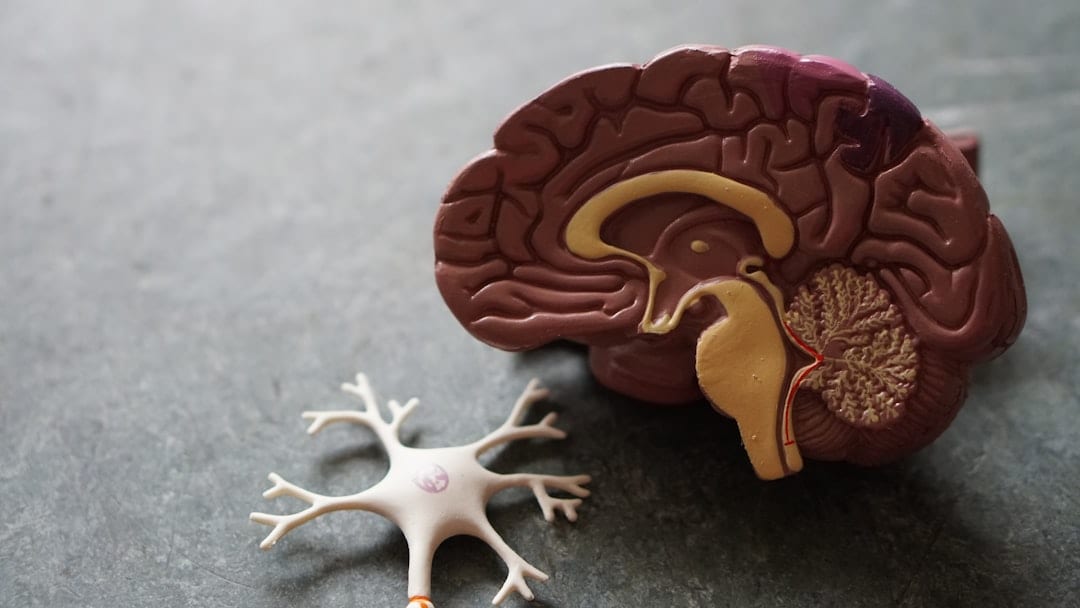
A concussion is a traumatic brain injury caused by a blow, bump, or jolt to the head or body that forces the brain to move rapidly back and forth inside the skull. This sudden movement can twist and stretch brain tissue, trigger chemical changes at the cellular level, and disrupt normal neurological function. While concussions are rarely life-threatening, their effects can be serious, wide-ranging, and — without proper care — long-lasting. At Atlas Injury to Health, our approach combines precise upper cervical correction with neurological rehabilitation to optimize your healing and prevent the complications that turn a single injury into months or years of suffering.
What Is a Concussion?
The brain floats inside the skull surrounded by cerebrospinal fluid. A sudden impact — a collision on the field, a car accident, a fall, or even a forceful whiplash — causes the brain to accelerate and decelerate so quickly that it briefly makes contact with the inner surface of the skull. That traumatic contact damages brain cells and disrupts the delicate electrochemical environment neurons depend on.
Common Symptoms to Watch For
Symptoms of a concussion can appear immediately or emerge over hours and days. They include:
- Headache or a feeling of pressure in the head
- Dizziness, balance problems, or a sensation of spinning
- Brain fog — difficulty thinking clearly or concentrating
- Memory problems, including gaps around the time of injury
- Nausea or vomiting
- Sensitivity to light and noise
- Sleep disturbances — sleeping too much or too little
- Mood changes — irritability, anxiety, or low mood
- Visual disturbances, such as blurring or double vision
In children and adolescents, symptoms may also include unusual crying, changes in eating, or a loss of interest in favorite activities. Because many of these symptoms overlap with other conditions, a thorough evaluation is essential.
Concussion Grades — and Why They All Deserve Attention
| Grade | Characteristics | |-------|----------------| | Grade 1 (Mild) | Symptoms resolve within 15 minutes; no loss of consciousness | | Grade 2 (Moderate) | Symptoms persist beyond 15 minutes; no loss of consciousness | | Grade 3 (Severe) | Any loss of consciousness; requires immediate emergency evaluation |
Even a Grade 1 concussion warrants professional assessment. Symptoms that appear minor — a dull headache, slight dizziness — can indicate underlying structural displacement in the cervical spine that, left unaddressed, prolongs recovery and significantly raises the risk of post-concussion syndrome.
Why the Cervical Spine Is Always Part of the Picture
The force that causes a concussion almost never stops at the skull. The same impact travels straight into the cervical spine, and even a millimeter of vertebral misalignment — particularly at the atlas (C1) and axis (C2) — can compress nerves, restrict blood flow to the brain, and interfere with the brainstem's role in regulating everything from balance to cognition. This is why so many concussion patients continue to experience headaches, dizziness, and brain fog long after the initial injury: the structural component has not been addressed.
Conventional medicine typically focuses on symptom management — pain relievers, anti-nausea medications, and a blanket prescription of rest. That approach misses the musculoskeletal and nervous system dysfunction that drives persistent symptoms. At Atlas Injury to Health, we treat the structural origin of the injury alongside the neurological effects, giving your body the foundation it needs to truly heal.
Our Concussion Treatment Protocol
Comprehensive Consultation and Examination
Every recovery plan begins with a detailed intake covering the mechanism of injury, the full timeline of symptoms, cognitive changes, and your personal health history. Our physical examination assesses cervical spine integrity, range of motion, muscle strength, deep tendon reflexes, coordination, and balance. Diagnostic imaging — X-ray or MRI — may be ordered to rule out fracture, bleeding, or other structural complications. This thorough picture becomes the foundation for your individualized recovery program.
Atlas Orthogonal and Specific Chiropractic Care
Atlas Orthogonal is a precise, instrument-assisted technique that corrects misalignment of the atlas vertebra — the topmost bone of the spine — using gentle, targeted impulses rather than manual twisting or cracking. Because the atlas surrounds the brainstem and sits at the junction between the skull and spine, restoring its alignment directly supports the neurological environment the brain needs to recover. Precise cervical adjustments normalize nerve communication, restore healthy blood flow, and remove the mechanical irritation that perpetuates symptoms like headache and dizziness.
Guided Rest and Graduated Return to Activity
Modern concussion research has moved away from total sensory deprivation — dark rooms and strict isolation — toward relative rest: limiting mentally and physically taxing activities while maintaining light, tolerable engagement. We guide you through each stage of this process, establishing individualized thresholds for screen time, physical exertion, and cognitive demands. As your symptoms improve, we systematically reintroduce activities in a controlled progression, ensuring you don't regress and that each return-to-play or return-to-work milestone is genuinely safe.
Who Benefits from Upper Cervical Concussion Care?
Our concussion recovery program is appropriate for:
- Athletes at any level — youth, recreational, or competitive — following a sports-related head injury
- Motor vehicle accident survivors with whiplash and concurrent concussion
- Individuals with post-concussion syndrome whose symptoms have lingered weeks or months after the initial injury
- Anyone who has sustained a fall or workplace head injury
- Patients dissatisfied with symptom-only management who want a structural root-cause approach
What to Expect at Atlas Injury to Health
Your first visit will never feel rushed. We take the time to listen to your full story, perform a precise examination, and explain exactly what we find and why it matters. Treatment sessions are gentle — Atlas Orthogonal adjustments involve no forceful manipulation — and are tailored to your current symptom level and tolerance. Most patients report feeling measurable relief within the first few visits, though individual timelines vary based on injury severity, time elapsed since injury, and overall health. We track your progress at each visit and adjust your protocol accordingly.
When to Seek Emergency Care
Upper cervical chiropractic care is not a substitute for emergency medicine. Seek immediate emergency evaluation if you or someone you know experiences:
- Loss of consciousness (any duration)
- One pupil larger than the other
- Extreme drowsiness or inability to be awakened
- Repeated vomiting
- Worsening headache that will not resolve
- Slurred speech, seizures, or obvious confusion
Once life-threatening complications have been ruled out, our team is ready to partner with your medical providers for comprehensive recovery.
Frequently Asked Questions
Q: How soon after a concussion should I see an upper cervical chiropractor?
A: As soon as serious complications — fracture, bleeding, or severe neurological symptoms — have been ruled out by a medical provider, it is appropriate to schedule an evaluation. Early correction of cervical misalignment means less time for compensatory muscle tension and postural changes to entrench themselves, which generally supports faster recovery.
Q: Can Atlas Orthogonal care help if my concussion happened months or even years ago?
A: Yes. Patients with lingering post-concussion syndrome — persistent headaches, cognitive fog, balance issues — often have unresolved cervical misalignment from the original injury. Correcting that structural component at any point can meaningfully reduce ongoing symptoms, though the pace of improvement varies by individual.
Q: Is the Atlas Orthogonal adjustment safe after a head injury?
A: Atlas Orthogonal corrections use a precise, low-force instrument rather than manual thrusting or rotation. This makes the technique especially well-suited for patients who are recovering from trauma and cannot tolerate forceful manipulation. Dr. St. Louis will review your imaging and examination findings before any adjustment is performed to confirm it is appropriate for your specific case.
Recovering from a concussion takes the right team as much as it takes time. If you are ready for a comprehensive, root-cause approach to concussion recovery, we invite you to schedule a consultation at our Winter Garden or Ocala clinic today. Let Atlas Injury to Health help you get back to feeling like yourself.