
Whiplash Treatment in Winter Garden: Preventing Chronic Pain
Written & medically reviewed by Dr. Michael St. Louis, D.C.
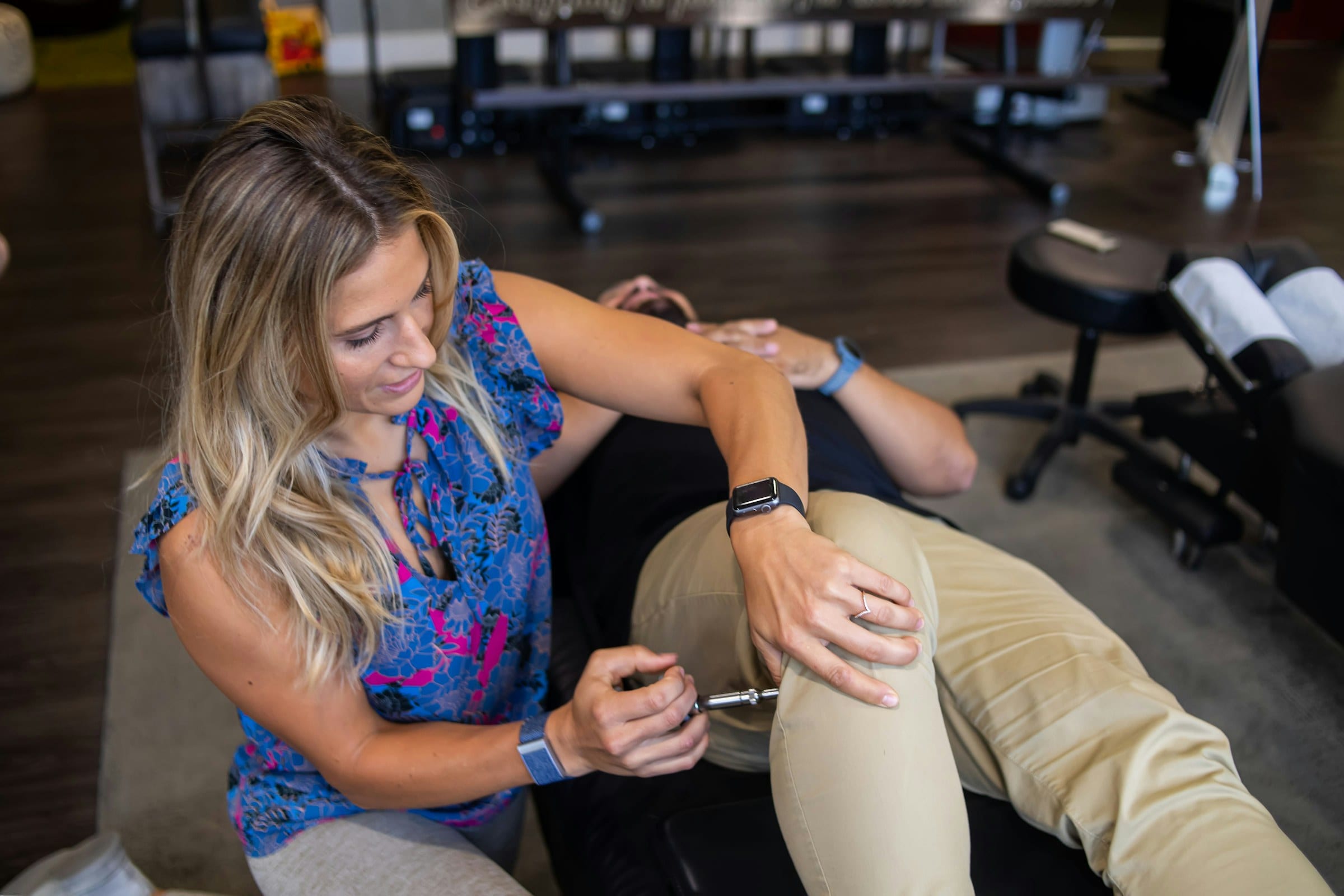
Effective whiplash treatment in Winter Garden starts within days of your collision, not weeks after symptoms worsen — because Florida's PIP insurance requires care within 14 days, and the structural damage behind whiplash responds best to correction before your body compensates around it. At Atlas Injury to Health, our clinical team combines Atlas Orthogonal precision correction with SoftWave tissue regeneration to address whiplash at its root cause, giving Winter Garden's busy families and professionals a documented, non-invasive path back to full function.
If you were recently in a car accident — even a minor fender-bender at a Winter Garden intersection — this guide explains what's actually happening in your neck, why you may feel fine today and awful in 72 hours, and what your care journey should look like from here.
Key Takeaways
- Whiplash injures the soft tissue, ligaments, and upper cervical spine even when there's no visible bruising or immediate pain.
- Symptoms frequently emerge 24–72 hours (or longer) after a collision, which is why "I feel fine" at the scene doesn't rule out injury.
- Florida's PIP law requires you to seek care within 14 days of the accident or you may lose access to insurance benefits — timing matters both medically and financially.
- Atlas Orthogonal precision correction targets the upper cervical spine, where whiplash forces concentrate, without the twisting or forceful thrusts of traditional adjustments.
- SoftWave tissue regeneration supports healing of damaged ligaments and soft tissue, addressing the injury structurally rather than just managing symptoms.
What Whiplash Actually Does to Your Body
Whiplash occurs when a sudden impact — most often a rear-end collision — forces your head to snap forward and backward faster than your neck's muscles can control. That rapid acceleration-deceleration motion stretches and sometimes tears the ligaments, tendons, and muscles supporting your cervical spine.
The upper cervical region, where your skull meets your spine, is particularly vulnerable. This area houses a dense concentration of nerves and is responsible for coordinating balance, blood flow, and communication between your brain and body. Even a low-speed collision (15 mph or less) can generate enough force to misalign this delicate structure.
According to the Mayo Clinic, whiplash symptoms commonly include:
- Neck pain and stiffness that worsens with movement
- Headaches, often starting at the base of the skull
- Dizziness or vertigo
- Tingling or numbness in the arms
- Fatigue and difficulty concentrating
- Blurred vision or ringing in the ears
Because the injury involves soft tissue and joint alignment rather than a visible fracture, standard X-rays alone often miss it. This is why advanced diagnostics — precise imaging that evaluates the alignment and function of your upper cervical spine — are essential for an accurate picture of what's actually happening.
Why Symptoms Show Up Days Later
One of the most confusing aspects of whiplash is the delay. You leave the scene of the accident feeling shaken but otherwise okay, and then two or three days later you wake up barely able to turn your head.
There are a few reasons for this lag:
- Adrenaline masks pain initially. In the moments after a crash, your body releases stress hormones that can suppress pain signals for hours.
- Inflammation builds gradually. Soft tissue damage triggers an inflammatory response that intensifies over 24–72 hours as swelling develops around injured ligaments and muscles.
- Micro-instability compounds over time. A subtle misalignment in the upper cervical spine may not cause immediate symptoms, but as you continue normal activity, the surrounding muscles work harder to compensate — leading to spasm, stiffness, and pain days later.
- Nerve irritation can be a slow burn. Symptoms like tingling, dizziness, or headaches sometimes emerge only after inflammation reaches nearby nerve pathways.
This delayed onset is exactly why "I feel fine" is not a reliable indicator that you're in the clear. If you've been in any collision — regardless of how minor it seemed — it's worth having your spine evaluated even before symptoms appear.
Florida's 14-Day PIP Window: What Winter Garden Drivers Need to Know
Florida is a no-fault insurance state, which means your own Personal Injury Protection (PIP) coverage is what pays for accident-related care, regardless of who caused the crash. But that coverage comes with a strict deadline.
Under Florida law, you must receive initial medical treatment within 14 days of your car accident for your PIP benefits to apply. Miss that window, and you risk losing access to coverage for care that may still be medically necessary — leaving you to pay out of pocket for an injury you didn't cause.
This is a critical, and often overlooked, reason to seek evaluation promptly even if your pain feels manageable at first. Practically, this means:
- Schedule an evaluation within days of your accident, not weeks.
- Make sure your provider documents your injury thoroughly and connects it to the accident date.
- Keep records of all visits, imaging, and recommended care for your insurance claim and, if needed, legal proceedings.
Our clinical team at Atlas Injury to Health regularly works with Winter Garden patients navigating this timeline, ensuring your care journey is both medically sound and properly documented from day one.
How Atlas Approaches Whiplash Treatment in Winter Garden
Many traditional approaches to whiplash focus on masking symptoms — muscle relaxers, anti-inflammatories, rest. These can offer short-term relief, but they don't address the underlying structural issue: a misaligned upper cervical spine and damaged soft tissue that won't fully heal on its own.
At Atlas, we take a different approach, built on two complementary methods.
Atlas Orthogonal Precision Correction
Atlas Orthogonal is a gentle, precise method of upper cervical care that uses a specialized instrument to deliver a light, calculated correction to the top vertebra of your spine — without the twisting, popping, or forceful thrusts associated with traditional adjustments. Because whiplash so often concentrates its damage in this exact region, correcting misalignment here can relieve pressure on nerves, restore healthy blood flow, and allow your body's natural healing processes to function properly.
This is especially relevant for patients also dealing with post-accident headaches, dizziness, or the kind of neck pain that radiates into the shoulders and upper back.
SoftWave Tissue Regeneration
Correcting alignment addresses the structural piece, but whiplash also damages soft tissue — stretched ligaments, micro-tears in muscle fibers, and inflamed connective tissue. SoftWave therapy uses acoustic wave technology to stimulate your body's own regenerative processes at the cellular level, supporting faster, more complete healing of these damaged tissues.
Used together, Atlas Orthogonal and SoftWave create a two-part approach: one restores structural alignment, the other supports the biological repair of the tissue that alignment alone can't fix. This combination is designed to help you return to full function rather than simply reducing pain until it resurfaces.
What to Expect During Your First Visit
If you're new to this kind of care after a Winter Garden collision, here's a realistic picture of the process:
- Thorough consultation. We'll discuss the details of your accident, your symptoms (including anything that's emerged since), and your health history.
- Advanced diagnostics. Precise imaging evaluates the alignment of your upper cervical spine and identifies areas of restriction or instability.
- Personalized care plan. Based on your findings, we outline a specific, documented care journey tailored to your injury and your goals — whether that's returning to your desk job, keeping up with your kids, or getting back to weekend sports.
- Documentation for your claim. Every visit is recorded thoroughly, supporting your PIP claim and any related insurance or legal needs.
Whiplash left unaddressed doesn't just linger — it can evolve into chronic neck pain, recurring headaches, or long-term postural issues. Related conditions we frequently see following car accidents include whiplash-specific injuries, chronic neck pain, and post-traumatic headaches. Addressing the root cause early gives your body the best chance to heal fully rather than adapting around unresolved damage.
Why Early Care Matters for Winter Garden's Active Community
Winter Garden is full of people who don't have time to slow down — parents managing school pickups and youth sports, professionals commuting into Orlando, and athletes training on the West Orange Trail. Untreated whiplash doesn't just cause pain; it can limit range of motion, disrupt sleep, and sideline you from the activities that define your daily life.
Addressing whiplash early, with a structural and regenerative approach rather than a symptom-masking one, gives you the best chance at a full, lasting recovery — so you can get back to your routine without lingering stiffness or recurring flare-ups months down the line.
Organizations like the National Institutes of Health and MedlinePlus both note that early, appropriate intervention after neck injuries is associated with better long-term outcomes, underscoring why timing matters as much as the treatment method itself.
Frequently Asked Questions
How soon after a car accident should I seek whiplash treatment in Winter Garden?
Ideally within a few days, and no later than 14 days to preserve your Florida PIP insurance benefits. Even if you feel fine initially, an evaluation can catch developing issues before symptoms intensify.
Can whiplash symptoms appear a week after the accident?
Yes. While most whiplash symptoms emerge within 24–72 hours, some patients don't notice stiffness, headaches, or dizziness until several days or even a week later, especially with milder collisions.
Is Atlas Orthogonal safe for whiplash injuries?
Atlas Orthogonal is a gentle, precise method of upper cervical care that doesn't involve the forceful twisting associated with traditional adjustments, making it a comfortable option for patients recovering from acute neck trauma. Your clinical team will tailor the approach to your specific injury and comfort level.
Will my insurance cover whiplash treatment after a car accident in Florida?
Florida's no-fault PIP coverage typically applies if you seek initial treatment within 14 days of your accident. Our team can help ensure your visits are properly documented to support your claim — though you should confirm specific coverage details with your insurance provider.
What happens if whiplash goes untreated?
Untreated whiplash can develop into chronic neck pain, recurring headaches, reduced range of motion, and postural compensation issues that persist long after the initial injury. Early evaluation and care give your body the best opportunity to heal fully.
Take the Next Step Toward Full Recovery
If you've been in a car accident in Winter Garden — recently or even a few weeks ago — don't wait for symptoms to worsen or for your PIP window to close. Schedule a consultation with our clinical team to explore your options and start a care journey built around evidence-based results and your long-term function, not just short-term symptom relief.
Ready to take the next step?
Schedule a consultation to see how Atlas can help you.
Schedule a Consultation