
What Causes Vertigo? Understanding the Root Cause First
Written & medically reviewed by Dr. Michael St. Louis, D.C.
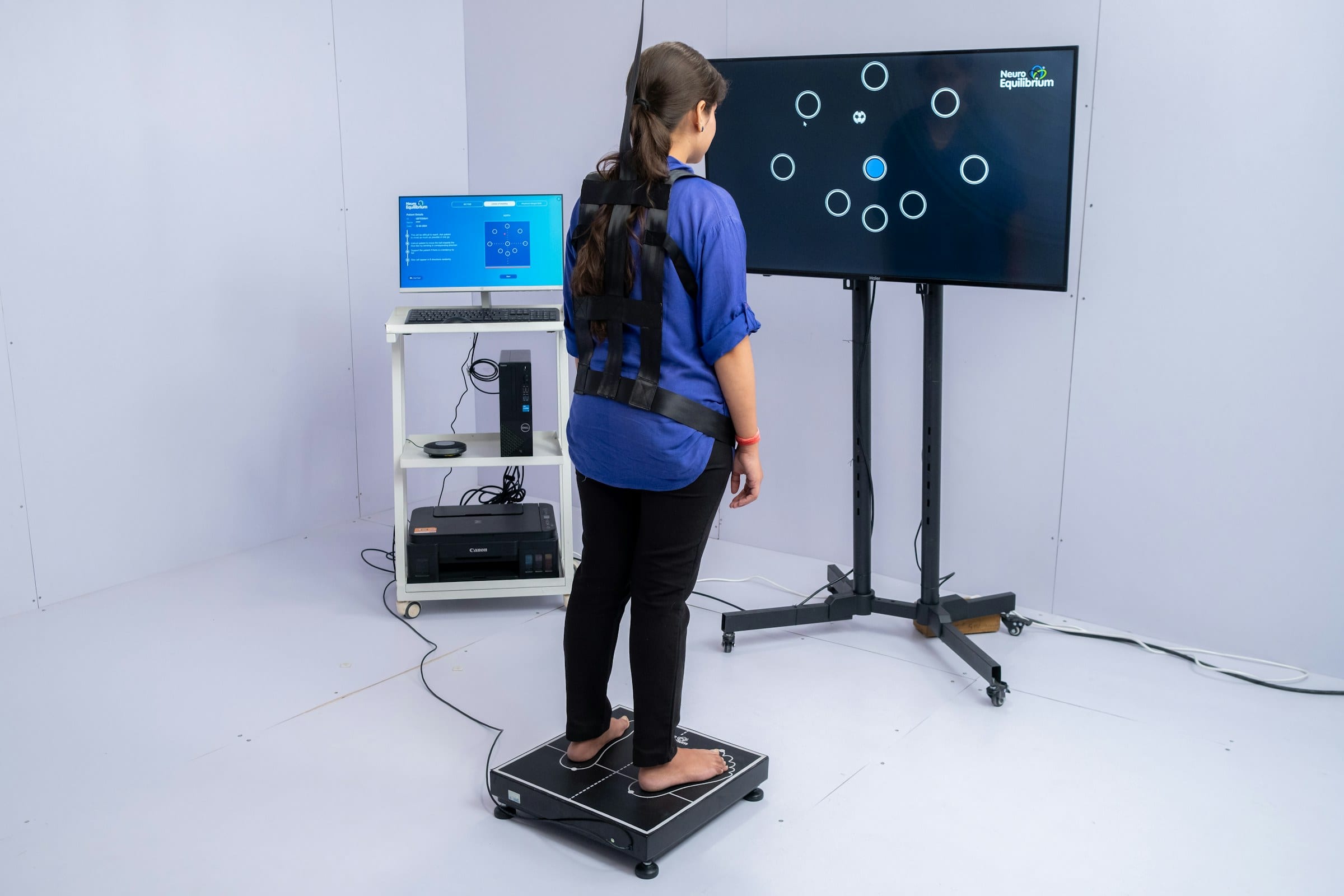
Vertigo is most often caused by a problem in the inner ear's balance system (like BPPV, vestibular neuritis, or Meniere's disease), but it can also stem from irritation or misalignment in the upper neck that disrupts the signals your brain uses to sense balance. Understanding which of these is behind your symptoms is the first real step toward lasting relief — not just temporary symptom management.
If you've experienced that unsettling sensation of the room spinning, tilting, or feeling like the floor is moving beneath you, you're not imagining it, and you're not alone. Vertigo is one of the most common reasons people visit a doctor, and it can range from a brief, disorienting flicker to an episode severe enough to affect your ability to drive, work, or simply stand up safely. The good news is that vertigo usually has an identifiable cause, and once you understand what's actually happening in your body, the path forward becomes much clearer.
Key Takeaways
- Vertigo is a symptom, not a diagnosis — it signals a disruption somewhere in the balance system, most often the inner ear, the brain's processing centers, or the upper neck.
- The most common inner-ear causes are BPPV, vestibular neuritis, and Meniere's disease, each with distinct patterns and triggers.
- Cervicogenic dizziness, linked to dysfunction in the upper cervical spine, is a recognized but debated diagnosis that is usually considered once other causes have been ruled out.
- Because so many causes overlap in symptoms, an accurate evaluation — not guesswork — is essential before starting any care journey.
- Upper cervical evaluation and advanced diagnostics can help identify whether neck-related dysfunction is contributing to your vertigo.
What Causes Vertigo? The Main Categories
When people search "what causes vertigo," they're usually trying to make sense of a symptom that feels frightening and unpredictable. Vertigo generally falls into a few broad categories, and understanding them helps explain why a one-size-fits-all approach rarely works.
Inner Ear (Peripheral) Causes
The inner ear houses the vestibular system, a small but sophisticated set of structures responsible for detecting motion and gravity. When something disrupts this system, your brain receives conflicting signals about where your body is in space, and vertigo results.
Benign Paroxysmal Positional Vertigo (BPPV) is the most common cause of vertigo overall. It occurs when tiny calcium crystals in the inner ear become dislodged and shift into the wrong canal, sending false signals about head movement. BPPV episodes are typically brief but intense, often triggered by rolling over in bed, looking up, or bending down.
Vestibular Neuritis develops when the vestibular nerve becomes inflamed, often following a viral infection. This can cause sudden, severe vertigo that lasts days rather than seconds, along with nausea and difficulty with balance.
Meniere's Disease is a chronic inner-ear disorder involving fluid buildup that leads to episodes of vertigo, hearing loss, tinnitus (ringing in the ears), and a feeling of fullness in the affected ear. Episodes can last hours and tend to recur unpredictably.
Central (Brain-Related) Causes
Less commonly, vertigo originates in the brain itself — from migraines, reduced blood flow, or other neurological conditions. These cases often come with additional symptoms like severe headache, vision changes, or slurred speech, and should always be evaluated promptly by a medical professional.
Cervicogenic Vertigo: The Overlooked Piece
Another possible answer to "what causes vertigo" involves the neck — specifically the upper cervical spine, where the head meets the top of the spine. This region is dense with nerve receptors that communicate directly with the brain's balance and coordination centers. Joint dysfunction and muscular tension in this area may interfere with these signals. That is the proposed mechanism behind a form of dizziness known as cervicogenic vertigo, or cervicogenic dizziness.
This type of vertigo is often triggered or worsened by neck movement, prolonged poor posture, whiplash injuries, or old trauma to the head and neck that never fully resolved. It can be missed when standard inner-ear testing comes back normal, leaving patients without a clear explanation — or the wrong one.
Why Getting the Right Diagnosis Matters
Because BPPV, vestibular neuritis, Meniere's disease, and cervicogenic vertigo can all produce overlapping symptoms — dizziness, imbalance, nausea, even ear-related sensations — self-diagnosis is unreliable, and treating the wrong cause rarely brings lasting relief. Someone with an undiagnosed upper cervical component, for example, may try inner-ear-focused remedies for months without improvement simply because the actual source was never addressed.
This is why a thorough evaluation matters so much before beginning any care journey. Rather than treating vertigo as a single condition with a single fix, a comprehensive approach looks at the full picture: your history, the pattern and triggers of your episodes, related symptoms like tinnitus or headaches, and — critically — the alignment and function of your upper cervical spine.
The Upper Cervical Connection
The neck does feed signals into the balance system, and cervicogenic dizziness is a recognized diagnosis, though researchers still debate how often it occurs and how best to diagnose it. The uppermost vertebrae, particularly the atlas (C1), sit in extremely close proximity to the brainstem and the nerves that regulate balance, coordination, and even blood flow to the brain. Upper cervical practitioners hold that a misalignment here, sometimes too subtle to see without advanced diagnostics, may place ongoing stress on this communication network.
At Atlas Injury to Health, we use advanced diagnostics to precisely assess this area of the spine, rather than relying on assumptions. When misalignment is identified, upper cervical care is designed to gently restore proper positioning, giving the nervous system the opportunity to function without that added interference. This isn't about "cracking" the neck or generic manipulation — it's a precise, measured approach specific to the atlas vertebra and its relationship to the skull and spine.
For some people, vertigo and related symptoms such as tinnitus, headaches or a persistent feeling of imbalance may be connected to how the upper neck is functioning, which is what an evaluation looks at. You can learn more about how this connects to broader symptom patterns on our vertigo condition page.
What This Might Look Like for You
If you're trying to understand your own symptoms, here are some patterns worth paying attention to:
- Does moving your head or neck change your symptoms? This can point toward a cervicogenic component.
- Do episodes happen when you roll over in bed or look upward? This is a classic BPPV pattern.
- Is the vertigo accompanied by hearing changes, ringing, or ear pressure? This may suggest Meniere's disease or another inner-ear source.
- Did it start suddenly after an illness? Vestibular neuritis is a common culprit.
- Do you have a history of whiplash, a car accident, concussion, or neck trauma? These are worth mentioning to any provider you see, as they raise the likelihood of a cervicogenic origin.
None of these observations replace a professional evaluation, but they can help you have a more informed conversation with your provider about what causes vertigo in your specific case.
Restoring Function, Not Just Managing Symptoms
The outcome we aim for with every patient isn't simply fewer symptoms in the moment — it's restored function and long-term stability. When vertigo is connected to upper cervical dysfunction, addressing that contributor, rather than only managing the dizziness as it arises, is aimed at more lasting improvement.
One patient, Annie Montalvo, described her experience after relocating to Florida: "I move from CT to Florida and found this office called Atlas. I suffer from vertigo and it was coming back when I found it. I am happy I did. Not only the staff and the dr's are caring and listen to your discomfort and pain. If you are looking for. A place that can help you and feel comfortable give Atlas a try."
These accounts reflect individual experiences, and outcomes vary from person to person — but they illustrate why identifying the true source of vertigo, rather than guessing, is such an important first step.
Taking the Next Step Toward Answers
Understanding what causes vertigo is empowering, but it's only the beginning. The next step is a thorough, individualized evaluation that looks beyond surface symptoms to the underlying mechanics of your nervous system and upper cervical spine. Our clinical team at both our Winter Garden and Ocala locations is equipped to walk through that process with you, using advanced diagnostics rather than guesswork, so your care journey is built on a clear and accurate picture of what's really going on.
For general medical background on dizziness and balance disorders, resources from the Mayo Clinic, NIH, and MedlinePlus offer helpful overviews, though they should complement — not replace — an in-person evaluation with a qualified provider.
Frequently Asked Questions
What causes vertigo most commonly?
The most common cause of vertigo is BPPV (benign paroxysmal positional vertigo), which occurs when displaced crystals in the inner ear disrupt normal balance signals. Other common causes include vestibular neuritis, Meniere's disease, and cervicogenic vertigo related to the upper neck.
Can neck problems really cause vertigo?
They can in some cases. The upper neck sends signals the brain uses for balance, and dysfunction there, often after trauma such as whiplash, is associated with a form of dizziness known as cervicogenic dizziness. It is a recognized but debated diagnosis, usually considered after inner-ear and brain causes have been ruled out.
How do I know if my vertigo is from my inner ear or my neck?
Inner-ear vertigo is often triggered by specific head positions and may include hearing changes or ringing in the ears. Cervicogenic vertigo tends to be associated with neck stiffness, a history of neck injury, and symptoms that shift with neck movement. A thorough evaluation, including advanced diagnostics, is the most reliable way to tell the difference.
Is vertigo something that goes away on its own?
Some causes, like BPPV, often improve on their own or with simple repositioning maneuvers a provider can perform, while others, such as Meniere's disease, tend to recur and need ongoing management. It's worth having any recurring vertigo properly evaluated.
When should I see a provider about vertigo?
You should seek evaluation whenever vertigo is recurring, disrupts your daily life, or comes with additional symptoms like hearing changes, severe headache, or a history of neck trauma. Sudden, severe vertigo with symptoms like slurred speech or vision changes warrants immediate medical attention.
Explore Your Options With Atlas Injury to Health
You don't have to keep guessing about what's causing your vertigo. Our clinical team is here to help you understand the root cause through careful evaluation and advanced diagnostics, so your path forward is built on clarity rather than trial and error. Schedule a consultation at our Winter Garden or Ocala location today and take the first step toward restoring function and getting back to the life you enjoy.
Ready to take the next step?
Schedule a consultation to see how Atlas can help you.
Schedule a Consultation