
Vertigo Treatment Options Explained: Inner-Ear to Upper Cervical Care
Written & medically reviewed by Dr. Michael St. Louis, D.C.
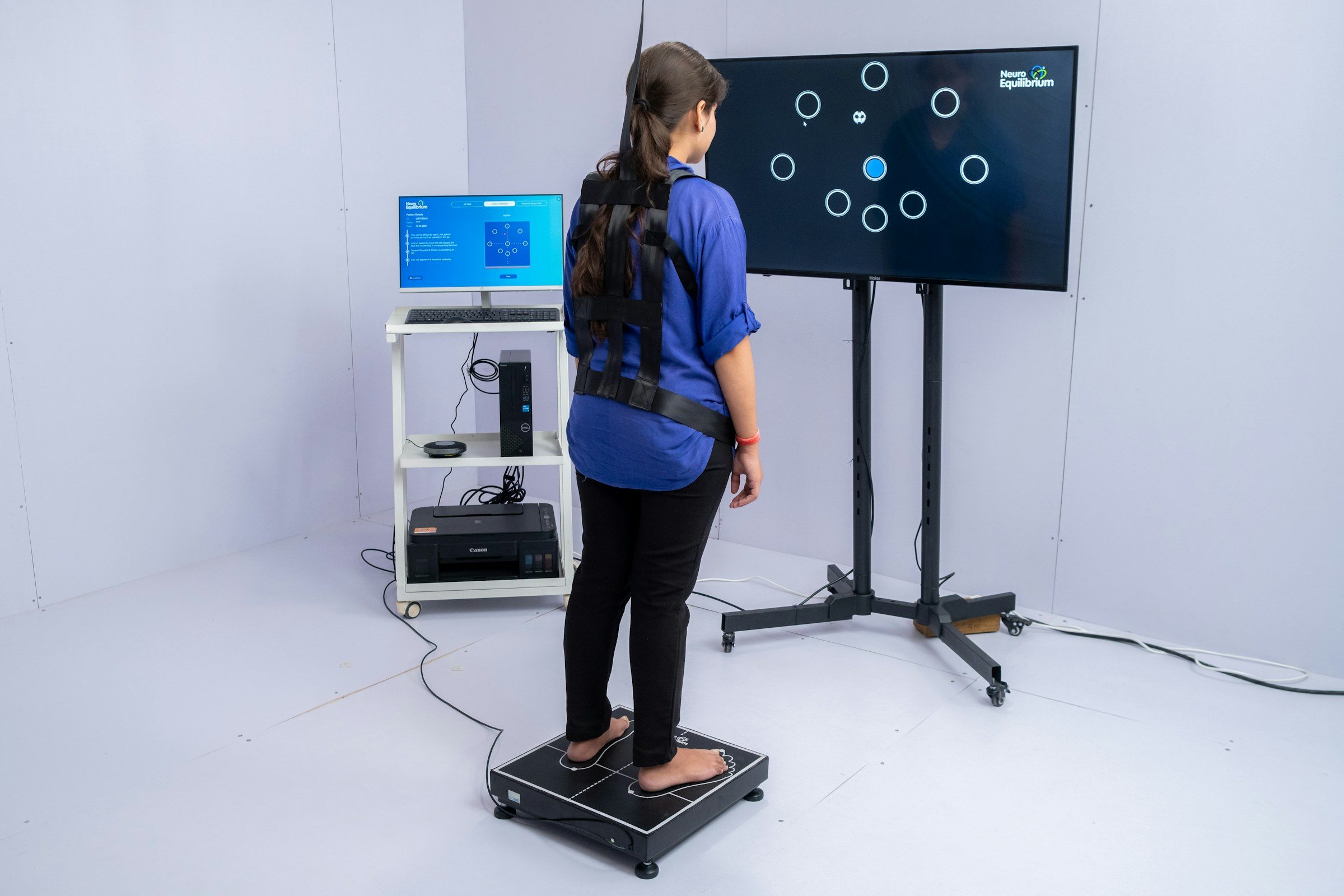
The right vertigo treatment depends on what type of vertigo you have, so the first step is a careful evaluation that identifies what is driving your symptoms. From there, options range from repositioning maneuvers and vestibular rehabilitation to medical management and, when the neck may be a contributor, upper cervical care.
We understand how much vertigo can disrupt an ordinary day. Rolling over in bed, looking up at a shelf, driving, or simply walking through a store can feel unpredictable, and that unpredictability affects work, family life, and confidence. The good news is that vertigo has several well-understood categories, and knowing which one applies to you opens the door to a clearer path forward.
Key Takeaways
- "Vertigo" is a symptom, not a diagnosis. Appropriate vertigo treatment starts by identifying the type: inner-ear, neurological, neck-related, or a mix.
- Repositioning maneuvers are commonly used for BPPV, while vestibular rehabilitation exercises are used for ongoing balance and dizziness problems.
- Upper cervical care, including Atlas Orthogonal, is an option to explore when the neck may be contributing. It does not replace medical care, and results are not guaranteed.
- Sudden severe headache, double vision, slurred speech, or weakness are red flags that need emergency medical care, not a clinic visit.
- A thorough evaluation with advanced diagnostics helps you and your care team choose among your options with confidence.
Why Vertigo Treatment Starts With Identifying the Type
Vertigo is the sensation that you or the room is spinning or tilting. It is different from general lightheadedness, which feels more like you might faint. Your balance depends on three inputs working together: the inner ear (your vestibular system), your vision, and position sensors in your muscles and joints, including those in the neck. When those signals disagree, your brain can interpret the mismatch as spinning.
Because several different problems can create that mismatch, a single approach rarely fits everyone. Here are the most common categories your clinician will consider:
- BPPV (benign paroxysmal positional vertigo): Brief spells of spinning triggered by head position changes, such as lying down, rolling over, or tipping your head back. It is thought to occur when tiny calcium crystals in the inner ear move into a semicircular canal.
- Vestibular neuritis or labyrinthitis: Often a sudden, prolonged bout of spinning, sometimes following a viral illness, linked to inflammation affecting the balance nerve or inner ear.
- Ménière's disease: Episodes of vertigo combined with ringing in the ear, a feeling of fullness, and fluctuating hearing changes.
- Vestibular migraine: Dizziness or vertigo connected to migraine patterns, sometimes without much headache at all.
- Neck-related dizziness: Sometimes called cervicogenic dizziness, where dizziness may be connected to neck injury, stiffness, or irritation. Clinicians still debate how often this is the main factor, which is one reason careful evaluation matters.
- Other contributors: Medication side effects, blood pressure changes, concussion, or whiplash from an accident.
The Mayo Clinic and MedlinePlus both offer patient-friendly overviews of these categories and are good general references while you prepare for your visit.
Option 1: A Medical Evaluation to Rule Out Serious Causes
Any new, unexplained, or worsening vertigo deserves a medical evaluation. A primary care physician, ENT (ear, nose, and throat specialist), neurologist, or audiologist may check your hearing, eye movements, blood pressure, and medications, and may order imaging or hearing and balance testing when indicated.
This step matters for two reasons. It helps rule out urgent conditions, and it can identify inner-ear disorders that call for medical management. Our clinical team is glad to work alongside your medical providers, and we will tell you when something falls outside what we should be addressing.
Option 2: Repositioning Maneuvers for BPPV
If your spinning is brief and triggered by head position, BPPV is a leading possibility. The usual vertigo treatment for this pattern is a canalith repositioning maneuver, such as the Epley maneuver. It is a sequence of specific head and body positions aimed at moving displaced crystals out of the canal where they cause trouble.
Some key points to know:
- The maneuver depends on which ear and which canal are involved, so it is best performed after a proper positional test.
- Physicians, audiologists, and physical therapists with vestibular training commonly perform these maneuvers.
- Mild, short-lived dizziness afterward is common, and BPPV can return, so follow-up matters.
- Trying a maneuver from a video without a diagnosis may not help and can sometimes provoke symptoms.
If your evaluation points toward BPPV, we will help you explore your options for getting that maneuver done by an appropriately trained provider.
Option 3: Vestibular Rehabilitation Exercises
Vestibular rehabilitation is a form of exercise-based therapy designed for people with ongoing dizziness, unsteadiness, or imbalance. It generally includes gaze-stabilization drills, balance work, and gradual exposure to movements that provoke symptoms, so the brain can adapt to altered signals.
This option is often discussed for vestibular neuritis recovery, for balance problems after a concussion, and for lingering unsteadiness. It is typically guided by a physical therapist with vestibular training. Our own therapeutic exercise work can complement your overall care journey, particularly for posture, mobility, and general strength, but we would coordinate with a vestibular specialist when that is the better fit.
Option 4: Medical Management of the Underlying Condition
Some types of vertigo are managed primarily through medical care. Ménière's disease, for example, is often approached with dietary changes (such as managing sodium) and physician-directed medication. Vestibular migraine may involve trigger tracking and migraine-focused care. During a sudden severe attack, a physician may prescribe short-term medication to ease nausea and spinning.
The National Institutes of Health hosts information through its institutes on balance and hearing disorders if you would like to read more about these conditions in general terms.
Option 5: Where Upper Cervical Care Fits
Upper cervical care focuses on the top two vertebrae of the spine, the atlas (C1) and axis (C2), which sit just beneath the skull. Upper cervical practitioners hold that subtle misalignment in this region may affect how the neck communicates with the brain and balance system, and that it may be one contributor to dizziness in some people, particularly after head or neck trauma such as whiplash.
It is important to be clear about what that means. This is the clinical rationale behind the approach, not settled science, and research on how neck function relates to vertigo is still developing. Upper cervical care is not a replacement for medical evaluation, and it is not a substitute for the maneuvers or medical management that inner-ear conditions such as BPPV or Ménière's disease may call for.
What Atlas Orthogonal involves
Atlas Orthogonal is a specific upper cervical technique that uses precise measurements from your imaging to guide a gentle, low-force correction aimed at the atlas vertebra. Dr. Michael St. Louis trained directly under Dr. Roy Sweat, the creator of the technique. The care is built around your own evaluation, so what is recommended for you depends on what your findings show. You can read more on our upper cervical care page.
Who may want to explore it
You may want to ask about upper cervical care if:
- Your vertigo began or worsened after a car accident, fall, sports impact, or whiplash injury.
- You also have neck stiffness or pain, or headaches that seem to travel with your dizziness.
- Your medical workup has not pointed to a clear inner-ear explanation.
- You want to explore a conservative, non-surgical approach alongside your medical care.
Related support for head and jaw tension
For some people, jaw and facial tension add to head and neck symptoms. Cranial Facial Release is a gentle, hands-on approach aimed at easing tension in the face, jaw, and cranial region, and it may be considered as part of a broader care journey when that pattern is present. We offer Cranial Facial Release at both our Winter Garden and Ocala clinics.
What a Visit Looks Like at Our Precision Wellness Center
A good evaluation takes time, and ours is designed to give you clarity before anything else. The first visit is a paid new patient visit that includes a consultation, exam, and digital imaging. Here is what you can expect:
- A detailed conversation. We ask about when your vertigo started, how long episodes last, what triggers them, and whether you have hearing changes, headaches, nausea, or a history of head or neck injury.
- A physical and neurological screening. We assess posture, neck movement, balance, and related findings, and we watch for signs that you should be seen medically first.
- Advanced diagnostics. Digital imaging of the upper cervical spine helps us look at alignment in detail so that any recommendation is based on your anatomy rather than a generic protocol. Learn more about X-rays and imaging.
- A clear explanation. We review what we found, whether upper cervical care is a reasonable fit, what the care may involve, and when we would refer you elsewhere.
Our care is built around your own evaluation. If we do not believe we are the right fit, we will say so and point you toward the appropriate provider. You can also read about how we approach vertigo care in more depth.
A Patient's Perspective
Reviews cannot predict your experience, but they can show you what it feels like to be listened to. Here is what one patient shared about finding Atlas after moving to Florida:
"I move from CT to Florida and found this office called Atlas. I suffer from vertigo and it was coming back when I found it. I am happy I did. Not only the staff and the dr's are caring and listen to your discomfort and pain. If you are looking for. A place that can help you and feel comfortable give Atlas a try." — Annie Montalvo
Every person's situation is different, and individual results vary.
Red-Flag Symptoms: When to Seek Urgent Medical Care
Most vertigo is not life-threatening, but some symptoms can signal a stroke or another emergency. Call 911 or go to the nearest emergency room right away if vertigo comes with any of the following:
- A sudden, severe headache unlike any you have had before
- Double vision or sudden vision loss
- Slurred speech or trouble understanding speech
- Weakness, numbness, or drooping on one side of the face or body
- Difficulty walking, loss of coordination, or inability to stand
- Chest pain, fainting, or a very fast or irregular heartbeat
- Vertigo following a significant head injury
- Sudden hearing loss
Do not wait for a scheduled visit if these appear. Emergency care comes first.
How to Choose Among Your Vertigo Treatment Options
Rather than choosing one path, many people combine several in sequence. A practical way to think about it:
- Brief, position-triggered spinning: Ask about BPPV testing and a repositioning maneuver.
- A sudden, prolonged episode: Seek medical evaluation, and ask about vestibular rehabilitation once you are cleared.
- Spinning with hearing changes or ear fullness: Ask your physician or ENT about Ménière's disease evaluation.
- Dizziness with neck pain, a past accident, or headaches: Consider a consultation to find out whether the neck may be contributing, alongside your medical care.
- Dizziness that does not fit a pattern: Start with a medical workup, then explore additional options as findings come in.
Keep a short symptom diary before your visit: what you were doing, how long it lasted, and any other symptoms. It helps every provider you see.
Frequently Asked Questions
What is the most common vertigo treatment?
For BPPV, the most common type, the usual vertigo treatment is a repositioning maneuver such as the Epley maneuver, performed by a trained provider. Other types of vertigo are managed differently, which is why identifying the type first is so important.
Can a neck problem cause vertigo?
Some clinicians believe neck injury or irritation may contribute to dizziness in certain people, though experts continue to debate how common this is and how it works. If you have dizziness along with neck pain, a past whiplash injury, or headaches, an evaluation can help determine whether the neck is worth exploring as one piece of the picture.
Is upper cervical care right for every type of vertigo?
No. Upper cervical care, including Atlas Orthogonal, is not suited to every type of vertigo, and results are not guaranteed. Upper cervical practitioners hold that improving upper neck alignment may support the body's balance system in some people, and care is aimed at supporting function based on your own evaluation.
Should I see a medical doctor before scheduling a consultation?
If your vertigo is new, severe, or unexplained, a medical evaluation is a wise first step, and you are welcome to do both. If you have any red-flag symptoms, such as double vision, slurred speech, weakness, or sudden severe headache, seek emergency care immediately.
What happens at the first visit?
The first visit is a paid new patient visit that includes a consultation, exam, and digital imaging. We review your history, assess your neck and balance, look at your imaging, and explain what we found and what your options are.
Take the Next Step Toward Steadier Days
Vertigo does not have to remain a mystery. When you know the type, you can choose the right path with more confidence, whether that is a maneuver, vestibular rehabilitation, medical care, or upper cervical care. If you would like a careful look at whether your neck may be part of the picture, we invite you to schedule a consultation with our clinical team at our Winter Garden or Ocala clinic.
This article is for general education and is not medical advice. Please consult a qualified healthcare provider about your symptoms.
Ready to take the next step?
Schedule a consultation to see how Atlas can help you.
Schedule a Consultation