
Sciatica Treatment in Winter Garden: A Non-Surgical Path to Relief
Written & medically reviewed by Dr. Michael St. Louis, D.C.
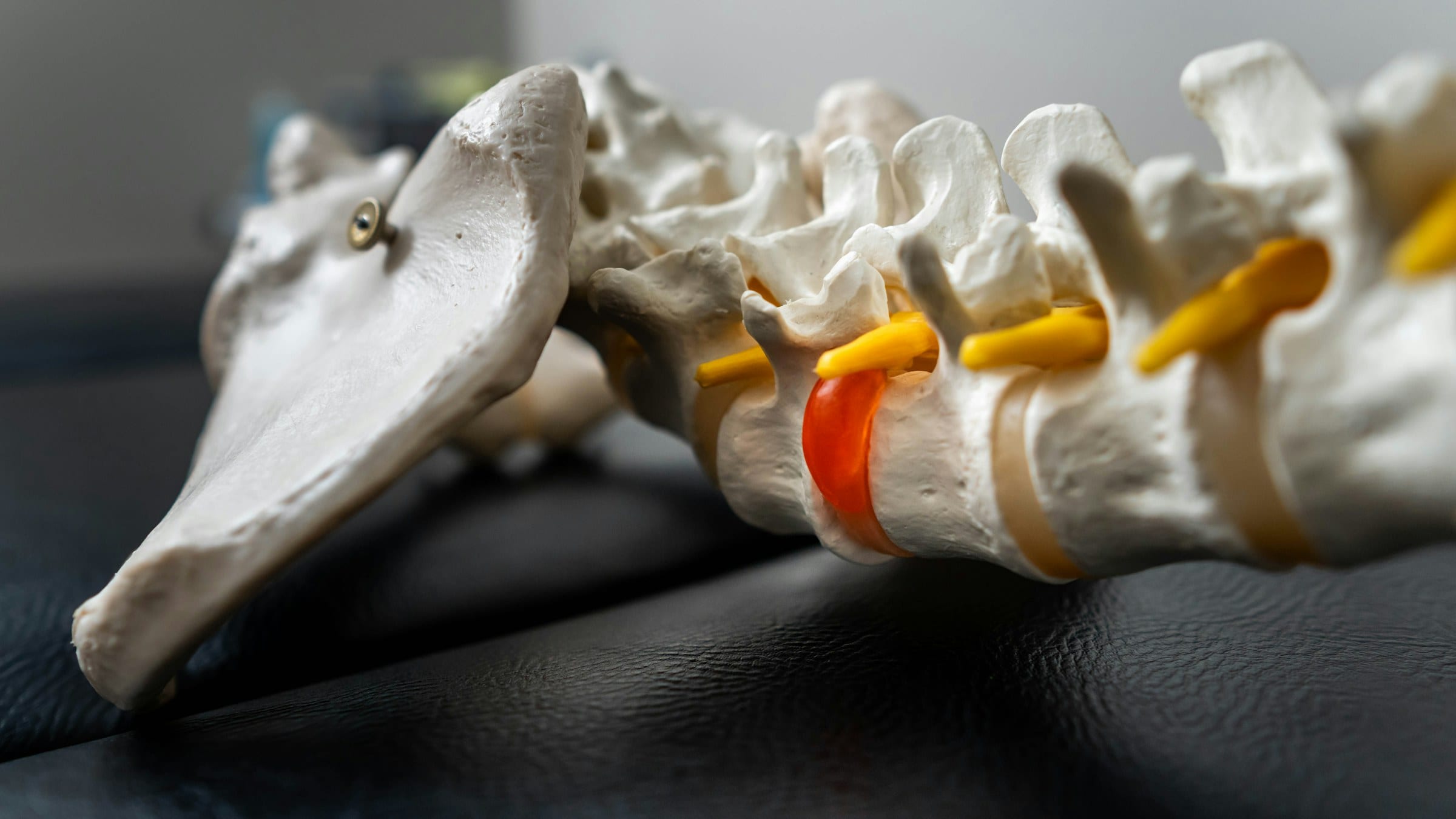
Effective sciatica treatment in Winter Garden starts with identifying why the sciatic nerve is being compressed—not just masking the pain. At Atlas Injury to Health, we combine precise spinal assessment with Atlas Orthogonal adjustments and SoftWave regenerative therapy to relieve nerve pressure and restore function without surgery or long-term reliance on medication.
If you're one of the many Winter Garden professionals sitting through long workdays, a weekend athlete pushing hard on the trails at West Orange Trail, or an expecting mother feeling new pressure in your lower back and legs, you already know how disruptive sciatica can be. The good news: it's highly treatable when the underlying cause is properly addressed.
Key Takeaways
- Sciatica is a symptom of nerve compression—often originating from spinal misalignment, disc issues, or postural strain—not a standalone diagnosis.
- Desk jobs, high-impact sports, and pregnancy are three of the most common sciatica triggers we see in Winter Garden patients.
- Atlas Orthogonal technique gently corrects upper cervical misalignment that can contribute to whole-spine imbalance and nerve irritation further down the chain.
- SoftWave regenerative therapy stimulates tissue healing around compressed nerve roots.
- Most patients notice measurable improvement within a personalized, multi-visit care plan—without surgery or long-term medication dependence.
What Sciatica Really Is (And Why It Happens)
Sciatica refers to pain that radiates along the path of the sciatic nerve—from your lower back, through your hip and buttock, and down the back of your leg. It's typically caused by compression or irritation of the nerve roots in the lumbar spine, often from a herniated disc, bone spur, or muscular tension pressing on the nerve.
According to the National Institutes of Health, sciatic nerve pain can range from a mild ache to sharp, burning discomfort that makes sitting, standing, or walking difficult. It's not a diagnosis in itself—it's a signal that something upstream in the spine or surrounding musculature needs attention.
That's the piece many treatment approaches miss. Pain relievers and muscle relaxers may dull the sensation temporarily, but they don't correct the structural or postural issue creating the compression in the first place.
The Atlas-Spine-Nerve Connection
At Atlas Injury to Health, we look at the spine as an interconnected system rather than a collection of isolated segments. The atlas vertebra—the topmost bone in your neck—plays an outsized role in overall spinal alignment. When it shifts even slightly out of position, it can trigger compensatory misalignments throughout the rest of the spine, including the lumbar region where sciatic nerve roots exit.
This is why our upper cervical care often becomes a foundational piece of sciatica treatment, even when the primary pain is felt in the lower back or leg. By correcting the atlas position first, we help the entire spine settle into better alignment, which can reduce the compensatory strain that contributes to nerve compression lower down.
We pair this with detailed x-ray imaging to precisely map your spinal alignment before any adjustment is made. This isn't guesswork—it's a data-driven approach to identifying exactly where compression is occurring.
Common Sciatica Triggers We See in Winter Garden
Winter Garden's active, family-oriented community brings us a wide range of sciatica cases, but three patterns stand out:
1. Desk jobs and prolonged sitting. Hours behind a desk—especially with poor ergonomic support—compress the lumbar discs and shorten hip flexors, both of which can aggravate the sciatic nerve. Remote and hybrid workers are especially prone to this.
2. Sports and recreational strain. Whether it's tennis, cycling on local trails, or weekend pickup basketball, repetitive twisting and impact can lead to disc irritation or muscular imbalances that pinch the sciatic nerve.
3. Pregnancy-related pressure. As the body shifts weight distribution and ligaments loosen to prepare for delivery, many expecting mothers experience new or worsening sciatic pain. We offer specialized pregnancy care designed to relieve this pressure safely at every trimester.
Regardless of the trigger, the underlying mechanical issue—nerve compression from spinal misalignment, disc bulging, or muscular tension—responds well to targeted, non-surgical care.
Our Non-Surgical Sciatica Treatment Approach
We build every care plan around your specific findings, but most sciatica treatment in Winter Garden at our practice includes some combination of the following:
Atlas Orthogonal Adjustments
This precise, low-force technique realigns the upper cervical spine using gentle, calibrated pressure—no forceful twisting or popping. Learn more about the Atlas Orthogonal method and why it's especially well-suited for patients who want a gentler alternative to traditional chiropractic adjustments.
SoftWave Therapy
SoftWave therapy uses acoustic wave technology to stimulate cellular repair and reduce inflammation in soft tissue surrounding the irritated nerve. It's a non-invasive option that supports the body's natural healing response, often used alongside adjustments for a more comprehensive recovery.
Chiropractic Care and Postural Correction
Ongoing chiropractic care helps maintain alignment gains over time, while postural coaching addresses the daily habits—like desk setup or sitting posture—that may have contributed to the problem in the first place. If poor posture is a factor, our team can also evaluate you for broader posture-related concerns.
What to Expect During Your First Visit
Every sciatica treatment plan starts with a thorough evaluation:
- History and symptom review — When did the pain start? What makes it better or worse?
- Postural and movement assessment — We evaluate how you sit, stand, and move.
- Precision X-ray imaging — This reveals the exact alignment of your spine, including the atlas vertebra.
- Personalized care plan — Combining the therapies above based on your specific findings.
We also encourage patients to review general sciatica guidance from organizations like MedlinePlus and the American Chiropractic Association, both of which support conservative, non-surgical approaches as an appropriate first line of care for many sciatica cases.
When to Seek Care
Mild sciatic discomfort that resolves within a few days may not require treatment. But you should schedule an evaluation if you experience:
- Pain radiating down one or both legs that lasts more than a week
- Numbness, tingling, or weakness in the leg or foot
- Pain that worsens with sitting, coughing, or sneezing
- Sciatica symptoms during pregnancy
Left unaddressed, chronic nerve compression can lead to worsening symptoms and reduced mobility over time. Early, non-surgical intervention typically produces better long-term outcomes.
Frequently Asked Questions
How long does sciatica treatment take to show results?
It varies by patient and the underlying cause, but many people notice initial improvement within the first few weeks of a personalized care plan. Full resolution depends on the severity of nerve compression and how consistently you follow your recommended treatment schedule.
Is chiropractic care safe for sciatica caused by a herniated disc?
Yes, for most patients. Techniques like Atlas Orthogonal are gentle and specifically designed to relieve pressure on compressed nerves rather than force movement through an injured area. Your provider will confirm suitability based on your imaging and history.
Can sciatica come back after treatment?
It can, especially if the original contributing factors—like poor posture, prolonged sitting, or repetitive strain—aren't addressed. That's why ongoing chiropractic care and postural habits are an important part of long-term prevention.
Do I need an MRI before starting sciatica treatment?
Not always. Many sciatica cases can be evaluated and treated based on clinical exam findings and precision X-ray imaging. If your symptoms suggest a more complex issue, we may recommend advanced imaging or refer you to a specialist.
Is sciatica treatment safe during pregnancy?
Yes, with the right approach. We use pregnancy-safe adjustment techniques and positioning to relieve sciatic pressure without any risk to you or your baby. Learn more on our pregnancy care page.
Ready to Find Relief?
Sciatica doesn't have to be something you just live with. Our Winter Garden team is ready to identify the root cause of your pain and build a non-surgical path forward using Atlas Orthogonal and SoftWave therapy. Visit our Winter Garden location page to learn more, or schedule your consultation today and take the first step toward lasting relief.
Ready to take the next step?
Schedule a consultation to see how Atlas can help you.
Schedule a Consultation