
Nutrition Strategies for Supporting Atlas Orthogonal Adjustments
Written & medically reviewed by Dr. Michael St. Louis, D.C.
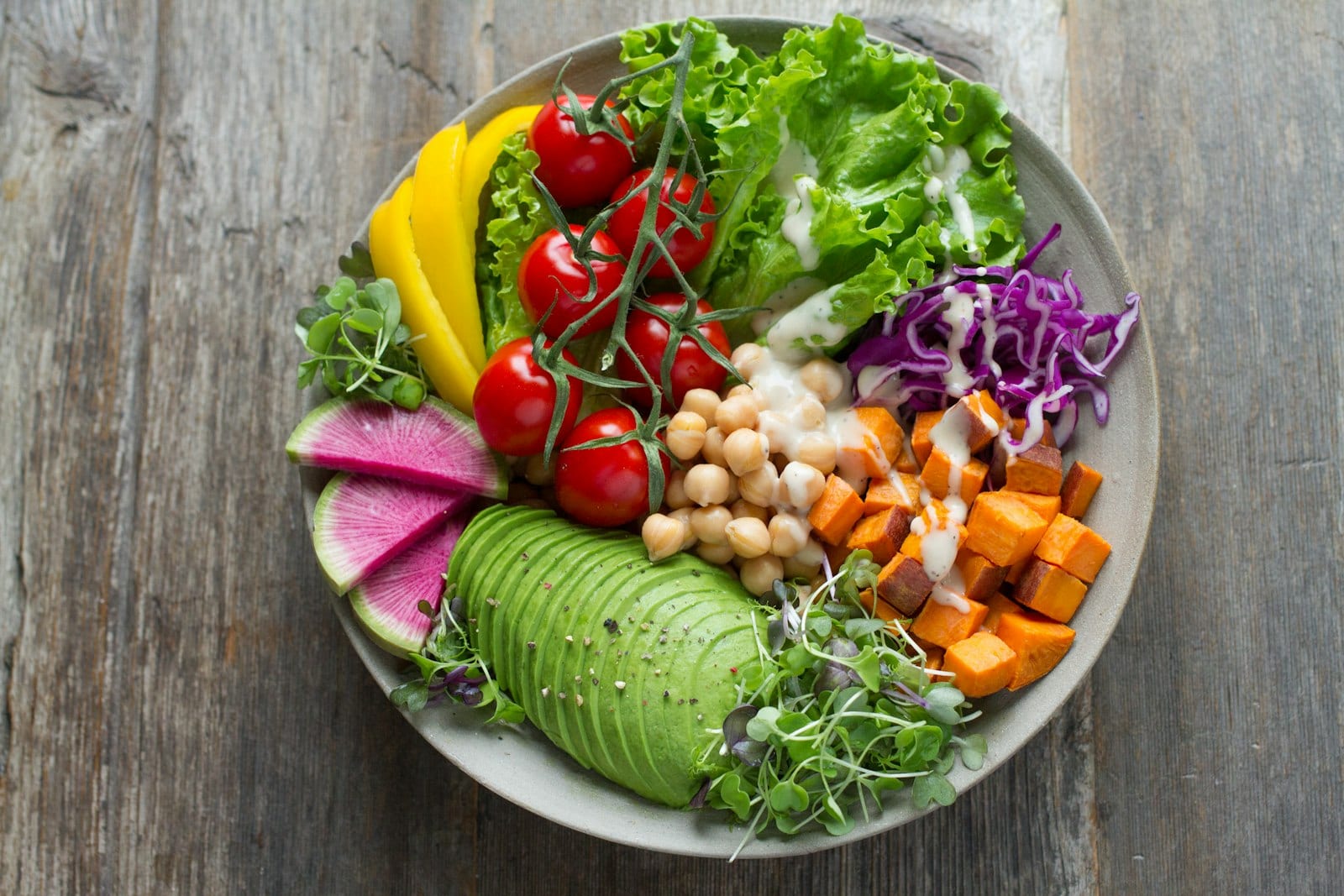
What you eat directly influences how well your body responds to Atlas Orthogonal chiropractic adjustments — the right nutritional foundation reduces inflammation, accelerates tissue healing, and helps your nervous system maintain the precise spinal corrections your chiropractor works hard to achieve.
Key Takeaways
- Chronic inflammation from a poor diet can counteract spinal corrections by keeping surrounding muscles and ligaments in a state of ongoing tension and swelling.
- Anti-inflammatory foods rich in omega-3 fatty acids, antioxidants, and phytonutrients create a tissue environment that holds adjustments longer.
- Adequate hydration is essential for intervertebral disc height and flexibility — two factors that directly affect upper cervical alignment.
- Key micronutrients — including magnesium, vitamin D, and vitamin C — support bone density, muscle relaxation, and collagen synthesis around the atlas and axis vertebrae.
- Nutrition is not a replacement for care, but a powerful complement that helps your body do its share of the healing work between visits.
Why Does Nutrition Matter for Chiropractic Care?
Most patients focus entirely on what happens on the adjusting table — and the Atlas Orthogonal adjustment itself is genuinely precise and gentle. But the adjustment is only the beginning. After the atlas (C1) is repositioned, your muscles, ligaments, fascia, and nervous system must adapt to that correction and hold it in place. That adaptation process is biological — and biology runs on nutrients.
Poor dietary choices promote systemic inflammation, which keeps the soft tissues around the cervical spine in a chronic state of irritation. Inflamed muscles are tight muscles, and tight muscles pull misaligned vertebrae back to their habituated position faster. Conversely, a nutrient-dense, anti-inflammatory diet creates a healing environment where corrections hold, nerves communicate more clearly, and overall recovery accelerates.
The American Chiropractic Association recognizes that lifestyle factors — including nutrition — are integral to whole-body musculoskeletal health, and that chiropractic care works best when supported by healthy daily habits.
What Is Atlas Orthogonal Care and Why Is It Uniquely Sensitive to Tissue Health?
Atlas Orthogonal (AO) is a specialized upper cervical chiropractic technique that uses precise, low-force instrument adjustments to correct misalignment of the atlas — the very first cervical vertebra that sits at the base of the skull. Because the atlas surrounds and protects the brainstem, even a slight misalignment can affect neurological signaling throughout the entire body, contributing to conditions such as headaches, migraines, neck pain, vertigo, and more.
Because the correction is so precise — measured in fractions of a degree — the surrounding soft tissue environment matters enormously. Tight, inflamed, or nutritionally deficient muscles and ligaments create mechanical resistance that can shorten how long the body holds an adjustment. Supporting those tissues nutritionally is one of the most practical things a patient can do outside the clinic.
How Does Inflammation Interfere With Spinal Corrections?
Inflammation is the body's natural healing response, but chronic, low-grade inflammation driven by diet is a different story. When pro-inflammatory foods — refined sugars, processed seed oils, ultra-processed snack foods, and excessive alcohol — dominate the diet, the body maintains elevated levels of inflammatory cytokines. These chemical messengers signal muscles to remain guarded and hypertonic (abnormally tense).
Around the upper cervical spine, this persistent muscular tension:
- Creates asymmetrical pulling forces on the atlas and axis (C1 and C2)
- Compresses facet joints and intervertebral discs
- Irritates the surrounding nerves, amplifying pain signals
- Reduces the window of time that an adjustment can hold before muscles pull the vertebra back out of alignment
Reducing dietary inflammation is therefore one of the most direct ways a patient can extend the benefits of each AO adjustment and reduce the frequency of corrective visits needed over time.
What Foods Support Anti-Inflammatory Healing Around the Spine?
Omega-3 Rich Foods
Omega-3 fatty acids — found in fatty fish (salmon, sardines, mackerel), walnuts, flaxseeds, and chia seeds — are among the most well-researched dietary anti-inflammatory agents. They help modulate the production of inflammatory prostaglandins and support healthy nerve cell membranes, which is particularly relevant given how closely the atlas sits to the brainstem and upper cervical nerves.
Colorful Vegetables and Fruits
Dark leafy greens (spinach, kale, Swiss chard), berries, beets, and cruciferous vegetables (broccoli, cauliflower, Brussels sprouts) are dense in antioxidants and phytonutrients that neutralize oxidative stress in soft tissues. MedlinePlus, a resource of the U.S. National Library of Medicine, consistently highlights vegetables and fruits as foundational to reducing chronic disease risk — and the same mechanisms that protect against chronic disease also protect spinal tissues.
Lean Proteins for Tissue Repair
Ligaments and tendons are primarily composed of collagen, a protein. After an adjustment, your body actively remodels soft tissue to adapt to the corrected spinal position. Adequate dietary protein — from sources like poultry, eggs, legumes, Greek yogurt, and fish — provides the amino acid building blocks (especially glycine and proline) necessary for collagen synthesis and ligament remodeling.
Foods That Reduce Muscle Tension
Magnesium-rich foods such as dark chocolate, pumpkin seeds, almonds, black beans, and avocado are worth highlighting specifically. Magnesium plays a direct role in muscle relaxation by regulating calcium channels in muscle cells. Insufficient magnesium is associated with increased muscle cramping and hypertonicity — exactly the conditions that work against holding an upper cervical correction.
Which Nutrients Are Most Important for Upper Cervical Spinal Health?
Vitamin D
Vitamin D is essential for calcium absorption and bone density. The atlas and surrounding vertebrae must be structurally strong to maintain proper alignment. Vitamin D deficiency — extremely common in the general population — is associated with bone fragility, musculoskeletal pain, and increased inflammation. Safe sun exposure and dietary sources (fortified foods, egg yolks, fatty fish) support optimal levels, though many patients benefit from supplementation after testing. The NIH Office of Dietary Supplements provides comprehensive guidance on vitamin D's role in musculoskeletal health.
Magnesium
As noted above, magnesium supports muscle relaxation, nerve transmission, and bone metabolism. It's one of the most commonly deficient minerals in the Western diet and one of the most relevant to chiropractic patients.
Vitamin C
Vitamin C is a cofactor in collagen synthesis. Since ligaments and the soft tissues stabilizing the atlas are collagen-dependent structures, adequate vitamin C intake (from citrus, bell peppers, strawberries, broccoli) supports the structural integrity of the connective tissue your adjustment relies on.
B Vitamins
B vitamins — particularly B1, B6, and B12 — play critical roles in nerve health and conduction. For patients experiencing nerve-related symptoms such as neuropathy or radiating pain, ensuring adequate B vitamin intake through whole grains, eggs, meat, and leafy greens supports the neurological recovery that AO care aims to facilitate.
How Important Is Hydration for Spinal Alignment?
Hydration is often the most underestimated nutritional factor in spinal health. The intervertebral discs — the shock-absorbing cushions between each vertebra — are approximately 80% water in a healthy, hydrated state. They absorb fluid overnight and compress slightly throughout the day under the weight of gravity and movement.
When you are chronically dehydrated, discs lose height, become less pliable, and transfer more mechanical stress to surrounding joints and ligaments. In the upper cervical spine, even subtle disc dehydration can alter the biomechanics of the C0-C1-C2 complex, making it harder to achieve and maintain proper atlas alignment.
Practical hydration targets: Most adults benefit from approximately half their body weight (in pounds) in ounces of water per day — though individual needs vary based on activity level, climate, and health status. Herbal teas and water-rich vegetables count toward hydration; sugary drinks and excess caffeine work against it.
What Should Patients Avoid to Protect Their Adjustments?
Just as important as what you add is what you reduce. The following dietary patterns are associated with increased inflammation, poor tissue healing, and heightened muscle tension:
- Refined sugars and high-fructose corn syrup — spike inflammatory markers and contribute to oxidative stress
- Processed vegetable/seed oils (corn, soybean, canola in large amounts) — high in omega-6 fatty acids that promote inflammation when out of balance with omega-3 intake
- Excess alcohol — depletes magnesium, disrupts sleep (a key recovery window), and promotes systemic inflammation
- Ultra-processed foods — typically low in micronutrients and high in additives that burden the body's anti-inflammatory systems
- Excessive caffeine — can increase cortisol and muscle tension, particularly problematic for patients with upper cervical tension patterns
What to Expect When Combining Nutrition and Atlas Orthogonal Care
Patients who make meaningful dietary improvements alongside their AO care often report:
- Adjustments holding for longer intervals between visits
- Reduced muscular soreness following corrections
- Improved sleep quality, which itself accelerates tissue repair
- Greater overall energy and reduction in secondary symptoms like headaches or brain fog
It's important to set realistic expectations: nutrition changes take time to shift tissue physiology, and individual responses vary. Think of dietary improvements as a cumulative investment — one that compounds in benefit the longer it is sustained.
Frequently Asked Questions
Can what I eat really affect how long my chiropractic adjustment holds?
Yes, meaningfully so. Inflammation-driven muscle tension is one of the primary forces that pull corrected vertebrae back out of alignment. A diet that reduces systemic inflammation helps muscles stay relaxed around the correction, supporting the body's ability to maintain the adjusted position between visits.
Should I take supplements to support my Atlas Orthogonal adjustments?
Whole foods should always come first, but targeted supplementation — particularly vitamin D, magnesium, and omega-3 fatty acids — may be appropriate depending on your individual health status and lab results. Always discuss supplementation with your chiropractor and primary care provider before adding new supplements, especially if you take medications.
How much water should I drink to support spinal health?
A general guideline is to consume approximately half your body weight in ounces of water daily, though individual needs vary. Consistent hydration throughout the day (rather than large amounts at once) is more effective for maintaining intervertebral disc hydration and overall tissue health.
Are there specific foods I should eat before or after an adjustment?
There's no rigid pre- or post-adjustment meal protocol, but arriving well-hydrated and having eaten a balanced meal (rather than being fasted or having consumed a heavy, high-sugar meal) supports a more relaxed nervous system response during your visit. After an adjustment, prioritize hydration and a protein-containing snack or meal to support the tissue remodeling process.
Is nutrition advice part of Atlas Orthogonal chiropractic care?
At Atlas Injury to Health, lifestyle guidance — including nutritional support — is part of a comprehensive approach to patient wellness. Our doctors address the whole person, not just the spine in isolation, because sustainable healing depends on the entire internal environment your body provides.
If you're ready to experience the full benefits of precise, personalized upper cervical chiropractic care — supported by a whole-body wellness philosophy — we invite you to schedule a consultation at Atlas Injury to Health. Our team, serving patients in Winter Garden and Ocala, Florida, is here to help you build a healing plan that works from every angle, including what's on your plate. Contact us today to take the next step toward lasting relief and optimal health.
Ready to take the next step?
Schedule a consultation to see how Atlas can help you.
Schedule a Consultation