
Migraine Relief in Ocala: A Gentle, Non-Surgical Path Forward
Written & medically reviewed by Dr. Michael St. Louis, D.C.
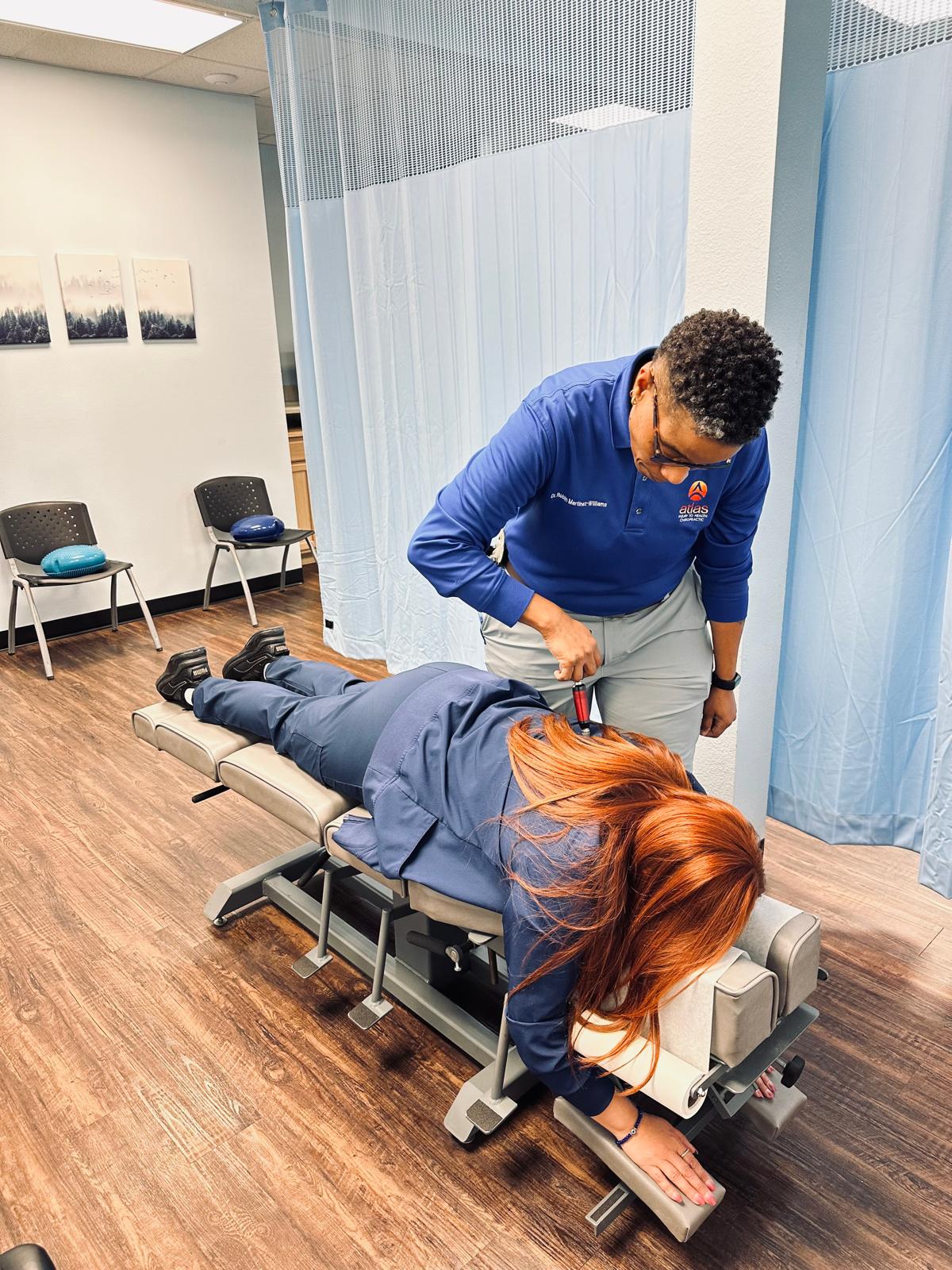
Migraine relief in Ocala is available through a gentle, non-surgical approach called Atlas Orthogonal chiropractic care, which addresses a common but overlooked root cause of chronic migraines: misalignment at the top of the spine near the brainstem. Rather than adding another prescription to your daily routine, this precise, low-force technique works to correct the underlying structural issue — often reducing migraine frequency and intensity without twisting, popping, or cracking the neck.
If you've spent years cycling through medications, tracking triggers, and still waking up with pounding head pain, you deserve an approach that treats the cause, not just the symptom. Here in Ocala, that option exists, and it's especially well-suited for adults who want to avoid additional pharmaceuticals or invasive procedures.
Key Takeaways
- Migraines are frequently linked to misalignment of the upper cervical spine (specifically the atlas vertebra), which can irritate nerves and restrict blood flow to the brain.
- Atlas Orthogonal care uses a gentle, instrument-guided adjustment — no forceful twisting or cracking — making it appropriate for patients managing arthritis, osteoporosis, or general joint sensitivity.
- This approach fits well for those seeking fewer medication interactions, particularly Medicare patients already managing multiple prescriptions.
- Many Ocala patients search for migraine treatment options, but our community has had limited localized guidance — this article aims to close that gap.
- Migraine relief is often part of a broader picture that includes posture, neck alignment, and nervous system function.
Why Traditional Migraine Treatment Often Falls Short
For decades, the standard approach to migraines has centered on medication: triptans, beta-blockers, anti-seizure drugs repurposed for headache prevention, and over-the-counter pain relievers used so often they risk causing rebound headaches. According to the Mayo Clinic, migraines are a complex neurological condition, and while medication can manage symptoms, it rarely addresses an underlying structural contributor.
For many adults — especially those over 55 — adding another daily pill isn't appealing. You may already be managing blood pressure medication, arthritis treatment, or supplements for bone health. Every additional prescription carries a risk of interaction, and the National Institutes of Health has long noted that polypharmacy (taking multiple medications) becomes a growing concern as we age.
This is exactly why so many Ocala residents are searching for migraine relief options that don't start with "here's another prescription."
The Upper Cervical Connection: A Root-Cause Approach
At the base of your skull sits the atlas vertebra (C1), a small but critical bone that supports the entire weight of your head. When the atlas shifts even slightly out of alignment — often from an old injury, whiplash, poor posture, or simply the wear of daily life — it can:
- Irritate the brainstem and upper spinal nerves
- Restrict blood flow through the vertebral arteries
- Create tension patterns that radiate into the head, neck, and jaw
- Contribute to the frequency and severity of migraine episodes
This is the foundation of upper cervical care, and it's why so many patients who've tried medication alone without lasting relief find a different kind of answer here.
Our Atlas Orthogonal technique uses a precision instrument to deliver a gentle, sound-wave adjustment — no manual twisting, no cracking, no forceful thrusts. For patients managing arthritis, osteoporosis, or general apprehension about traditional chiropractic adjustments, this distinction matters enormously.
Why Gentle Matters More As We Age
Ocala's horse-country and retiree community includes many active adults who still want relief from chronic pain but are understandably cautious about high-force manipulation. That caution is valid — and it's exactly why Atlas Orthogonal was developed with precision and safety in mind.
Consider how this approach differs from what many people picture when they think of chiropractic care:
- No forceful rotation. The adjustment is delivered through a handheld instrument, using a light, calculated force measured in ounces, not pounds.
- X-ray-guided precision. Before any adjustment, we use diagnostic X-rays to measure the exact degree and direction of misalignment — there's no guesswork.
- Suitable for sensitive joints. Because there's no twisting of the neck, this method is often appropriate for patients with degenerative joint changes or reduced bone density.
- Cumulative, gentle correction. Rather than a single dramatic adjustment, care is typically delivered over a series of visits as the spine gradually stabilizes.
This makes Atlas Orthogonal a realistic option even for patients who've been told "you're not a candidate for chiropractic care" by traditional providers using higher-force techniques.
What to Expect During a Migraine-Focused Visit
Your first visit will typically include a detailed health history, a discussion of your migraine patterns and triggers, and precise imaging to evaluate your upper cervical alignment. We'll look at how your neck posture, previous injuries (even ones from decades ago), and daily habits may be contributing to your symptoms.
Many patients don't realize how closely migraines can be tied to neck pain or long-standing postural issues until they see their own imaging. Others come in already managing vertigo or headache-adjacent symptoms and are surprised to learn how interconnected these conditions can be through the upper cervical spine.
From there, we build a personalized care plan. Some patients notice changes within the first few visits; others require a longer course of care as the spine stabilizes. Your provider will walk you through realistic expectations based on your specific history and imaging findings.
Is This Right for You?
Atlas Orthogonal and upper cervical care aren't a guaranteed cure for every migraine, and it's important to work with a qualified provider to determine whether this approach fits your specific situation. That said, this path may be worth exploring if you:
- Have tried multiple medications with limited or inconsistent relief
- Are concerned about medication interactions or side effects
- Have a history of neck injury, whiplash, or chronic poor posture
- Want to avoid high-force spinal manipulation due to arthritis or bone density concerns
- Are simply looking for a root-cause explanation rather than ongoing symptom management
The American Chiropractic Association recognizes upper cervical approaches as part of a broader, evidence-informed chiropractic landscape, though as with any care decision, it's wise to discuss your full medical history with your provider before beginning treatment.
Bringing Migraine Relief to Ocala
Migraine care in Ocala often stops at symptom management, which leaves people cycling between prescriptions without anyone examining the structure at the top of the neck. A structural evaluation asks a different question: whether the alignment of the atlas vertebra is contributing to the pattern in the first place.
If migraines have become a regular disruption to your quality of life — missed family gatherings, canceled plans, days spent in a dark room — you don't have to simply manage around them indefinitely. A gentle, structural approach may offer the relief that medication alone hasn't provided.
Everyday Habits That Support Your Recovery
Upper cervical care lays the foundation for restored function, but the choices you make between visits matter too. Migraine patterns are often sensitive to subtle shifts in routine, and small adjustments can make a meaningful difference in how your body responds to care.
Hydration is one of the simplest levers available. Florida's heat and humidity make dehydration easy to overlook, yet it's a common contributor to head pain. Aim for consistent water intake throughout the day rather than catching up after symptoms appear.
Sleep posture also deserves attention. A pillow that keeps your neck in a neutral position, rather than tilted or overextended, helps preserve the alignment your clinical team is working to restore. Similarly, prolonged phone or computer use with a forward-tilted head can undo some of the benefit of your sessions, so periodic posture checks throughout the day are worthwhile.
Stress and irregular sleep cycles remain well-documented migraine triggers, according to the American Migraine Foundation (americanmigrainefoundation.org). Building predictable sleep and wind-down routines can complement the structural work being done during your visits.
None of these habits replace care, but together they create an environment where your nervous system has a better chance to stabilize.
Frequently Asked Questions
What causes migraines to develop in the first place?
Migraines are a complex neurological condition with multiple potential contributors, including genetics, hormonal changes, stress, and structural factors like upper cervical misalignment. According to MedlinePlus, triggers vary widely from person to person, which is why a personalized evaluation matters.
Is Atlas Orthogonal painful or does it involve neck cracking?
No. Atlas Orthogonal uses a handheld instrument to deliver a very light, precise adjustment — there's no twisting, popping, or cracking involved. Most patients describe the sensation as barely noticeable.
How many visits will I need before I notice a difference?
This varies by individual, depending on how long-standing the misalignment is and your overall health history. Some patients report changes within the first few visits, while others need a longer series of adjustments for lasting stabilization.
Is this approach safe for someone with arthritis or osteoporosis?
Because Atlas Orthogonal doesn't involve forceful rotation, it's often considered a gentler alternative for patients with joint or bone density concerns. Still, your provider will review your full health history and imaging before recommending a care plan.
Can this replace my current migraine medication?
You should never stop or change medication without guidance from your prescribing physician. Upper cervical care is often used as a complementary, root-cause-focused approach alongside — not necessarily instead of — medical guidance from your doctor.
Ready to Explore a Different Path?
If you're tired of managing migraines with medication alone, it may be time to explore what's really happening at the base of your skull. Schedule a consultation at Atlas Injury to Health in Ocala today, and let's take a closer look at whether gentle, non-surgical upper cervical care could be the missing piece in your migraine relief journey.
Ready to take the next step?
Schedule a consultation to see how Atlas can help you.
Schedule a Consultation