
Is Chiropractic Care Safe? What to Know Before Your First Visit
Written & medically reviewed by Dr. Michael St. Louis, D.C.
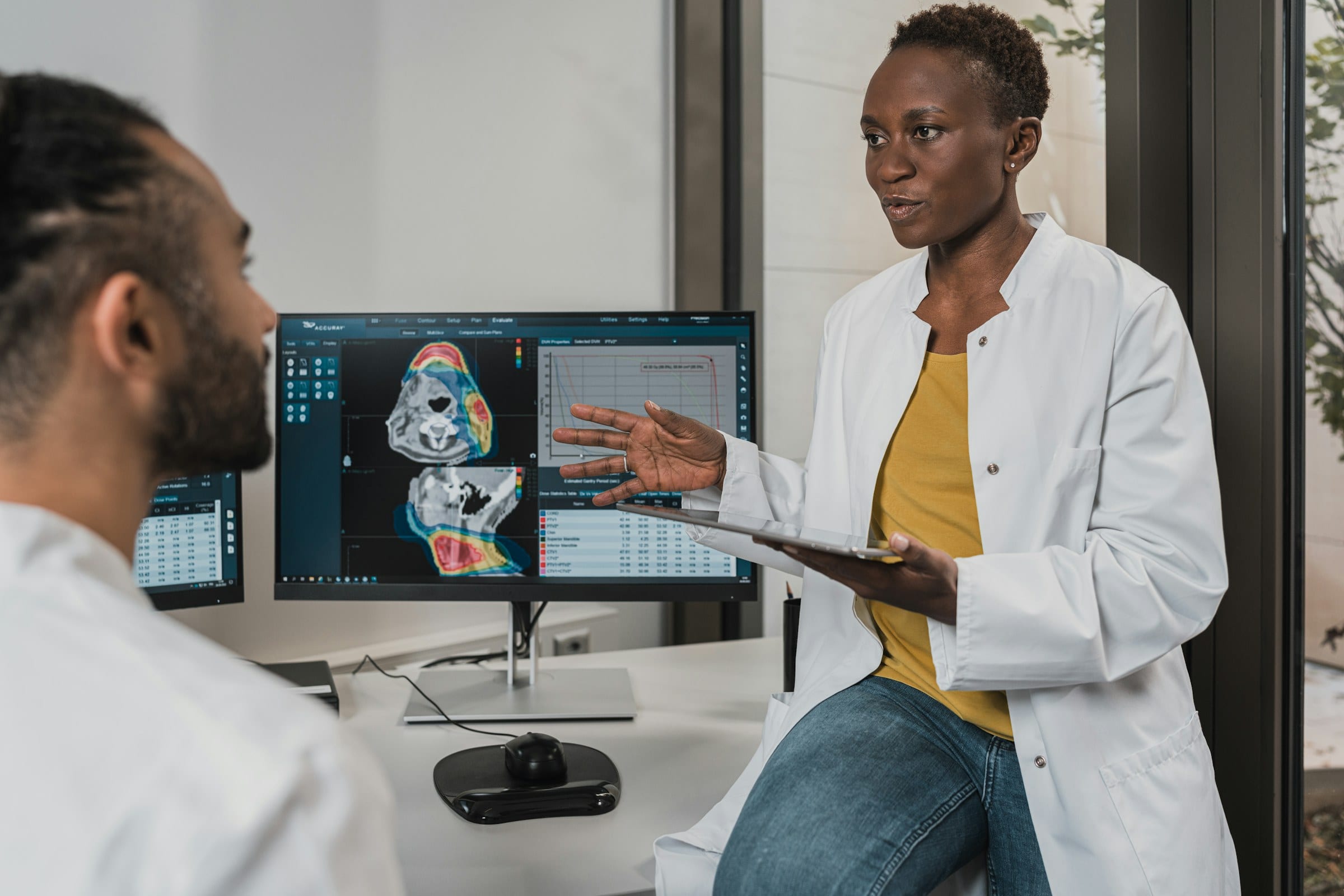
For most healthy adults, chiropractic care is considered low-risk when a licensed provider performs it after a proper history and exam. Serious complications are rare. But whether chiropractic is safe for you depends on your health history, your symptoms and the techniques being used, which is why a thorough evaluation matters before any adjustment.
If you're feeling cautious about a first visit, that's a sensible place to start. You're about to let someone work on your spine, and you deserve clear answers first. This guide covers what makes any spinal care more or less appropriate, which warning signs call for a medical referral, and how different techniques compare. It also lists questions worth asking any provider.
Key Takeaways
- Serious problems after spinal care are rare, but safety depends on a proper history, exam and imaging, and on a provider who refers you out when something looks wrong.
- Mild soreness or tiredness after an adjustment is common and usually short-lived. Sudden severe headache, trouble speaking or facial drooping needs emergency care.
- Atlas Orthogonal is instrument-based and guided by 3D imaging, with no twisting, cracking or popping. That changes what a visit feels like.
- How upper cervical care works is a clinical rationale, not settled science, and no provider can promise a result.
- The first visit at Atlas is a paid new patient visit, and the clinic is out of network with health insurance. We explain this up front.
Is Chiropractic Safe? The Short, Honest Answer
General health references describe spinal manipulation as having a low rate of serious side effects for most people. The National Institutes of Health and the Mayo Clinic both publish general information on spinal manipulation, its common uses and its possible side effects. Think of those sites as general background reading. They aren't an endorsement of any particular clinic, technique or provider.
Honest answers also include the limits. Safety isn't a single yes or no for every person and every technique. It comes from several things working together:
- A provider who listens to your full history
- An exam that looks for reasons to modify care or refer you elsewhere
- Imaging when it's appropriate
- A technique matched to your body and comfort level
- A willingness to stop, adjust the approach or send you to a medical doctor
So when you ask whether chiropractic is safe, a better question is: what will this provider do to find out whether care is appropriate for me?
Why Caution Before a First Visit Makes Sense
Many people have heard stories about someone feeling worse after an adjustment, or about a rushed visit with little examination. Others dislike the idea of having their neck twisted quickly. These concerns are reasonable, and a good clinical team will welcome them.
Reading about care and having a conversation about it are two different things. You should be able to say, "I'm nervous about my neck," and hear a clear explanation of what will and won't happen. If a provider brushes that off, take note.
What Makes Any Spinal Care More Appropriate or Less
A thorough history and exam
A careful first visit starts with questions before any hands-on work. Expect to be asked about:
- When your symptoms started and what makes them better or worse
- Past injuries, including car accidents, falls and sports injuries
- Prior surgeries, medications and blood-thinner use
- Conditions such as osteoporosis, cancer history, or inflammatory arthritis
- Dizziness, headaches, numbness, tingling or weakness
An exam then checks your range of motion, posture, nerve function and the areas that hurt. The point of all this is to find out what is driving your symptoms and to decide whether care is appropriate at all.
Advanced diagnostics
Imaging can reveal things a hands-on exam can't, such as degenerative changes, fractures, unusual anatomy or signs that a different type of care is needed. At Atlas, advanced diagnostics, including digital imaging, are part of the new patient process. For Atlas Orthogonal specifically, 3D imaging helps guide how the adjustment is planned.
Imaging doesn't make care risk-free. It does give the clinician more information before making decisions, and that is a meaningful part of responsible care.
Red flags that call for a medical referral
Some symptoms belong with a medical doctor or emergency department, not a spinal adjustment. A responsible provider screens for them and refers you out when needed. Examples include:
- Back or neck pain after major trauma, such as a serious fall or collision, until fracture has been ruled out
- Loss of bladder or bowel control, or numbness in the groin or inner thighs
- Progressive leg or arm weakness
- Fever with severe back pain, or unexplained weight loss with persistent pain
- A history of cancer with new, unexplained spinal pain
- Signs of stroke, such as sudden confusion, trouble speaking, facial drooping, vision changes or one-sided weakness
If you ever experience sudden, severe symptoms like these, call 911 or go to the nearest emergency room. Don't wait for a scheduled visit. This article is general information and doesn't replace advice from your own physician.
Common reactions versus rare serious ones
After an adjustment, some people feel mild soreness, stiffness or tiredness, often described as similar to how muscles feel after a new workout. These reactions are usually short-lived. Tell your provider about them so they can adjust the approach at your next visit.
Rare but serious events have been reported in the medical literature, including injury to arteries in the neck. Researchers have not established a clear cause-and-effect pattern, partly because early symptoms of an artery problem, such as neck pain and headache, can lead people to seek care in the first place. This is one reason screening and a careful history matter, and why you should tell your provider about any unusual headache or neck pain pattern before your first adjustment.
High-Velocity Adjustments vs. Atlas Orthogonal: What a Visit Involves
If your picture of chiropractic is a quick twist and a loud pop, you're describing one category of technique: high-velocity, low-amplitude manipulation. It's widely used. It involves positioning your body, then applying a fast, controlled thrust to a joint, often with an audible release of gas from the joint. Some people like the feeling, and others find it unsettling, especially around the neck.
Atlas Orthogonal is a different kind of approach. Here is how a visit compares:
| | High-velocity manipulation | Atlas Orthogonal at Atlas | |---|---|---| | Method | Manual thrust, often with rotation | Instrument-based adjustment | | Sensation | Often an audible pop or crack | No twisting, cracking or popping | | Focus | Joints in any region of the spine | The top of the neck (the atlas, or C1) | | Guidance | Exam findings, sometimes imaging | Exam findings plus 3D imaging |
Atlas Orthogonal uses a hand-held instrument to deliver a precise, gentle impulse. Nothing is twisted, and you won't hear popping. In one of our verified reviews, Allison L described the experience this way:
"You can’t feel the tool actually do anything while it’s working, which is spooky and also super cool." — Allison L
She also wrote: "I went from “Nobody is ever gonna touch my neck” to looking forward to having a full adjustment every appointment." Individual experiences vary, and her words reflect her own visits, not a promise about yours.
A gentler method feels different, but that isn't the same as being risk-free. Every technique still depends on the history, exam and imaging described above.
The Clinical Rationale Behind Upper Cervical Care
The atlas is the top vertebra, sitting just below the skull. Upper cervical practitioners hold that when this area is out of alignment, it may affect how the neck moves and how the body compensates in posture and muscle tension. They also hold that this may be related to symptoms such as neck pain, headaches and dizziness. Atlas Orthogonal care is aimed at precise, measured realignment of this region, guided by imaging, with the goal of restoring function.
This is the approach's clinical rationale, not settled science. Research on upper cervical care is still developing, and results differ from person to person. No honest provider can guarantee an outcome. What we can offer is care built around your own evaluation, with ongoing re-checks to see how you're responding.
You can read more about the method on our Atlas Orthogonal service page. If your main concern is stiffness or discomfort, our neck pain page explains how we approach it. Our broader upper cervical care page covers the related work.
Training Matters: Dr. St. Louis and Dr. Roy Sweat
Credentials and training are fair things to ask about. Dr. Michael St. Louis trained directly under Dr. Roy Sweat, the creator of the Atlas Orthogonal technique. In practice, that means learning the method from the person who developed it, rather than secondhand. That training belongs to Dr. St. Louis. It shouldn't be assumed of every clinician at any clinic, ours included.
You're welcome to ask him what that training covered and how it shapes the way he evaluates and adjusts. A confident clinician will answer plainly.
Questions to Ask Any Provider Before Your First Adjustment
Use these with us or anyone else:
- What will you ask and examine before touching my spine?
- Will I have imaging, and what will you look for?
- Which technique will you use, and what will it feel like?
- What would make you send me to a medical doctor instead?
- What side effects are common, and what should I do if I notice them?
- How will we know whether care is helping, and when will we re-evaluate?
- What is the full cost of the first visit and of ongoing care?
- Can I stop or change the approach at any time?
Pay attention to how you're answered as much as to what's said. Clear, unhurried answers are a good sign.
What to Expect on Cost, Insurance and Location
We'd rather be upfront than surprise you. The first visit at Atlas is a paid new patient visit, not a free one. The current offer has been $149 and covers a consultation, exam and digital imaging. Please confirm the current price when you schedule.
Atlas is out of network with all health insurance and does not bill insurance for payment. The one exception is Florida PIP coverage after an auto accident, which we can discuss if it applies to you. You can ask us about fees before you commit to anything.
You can visit us at either of our precision wellness center locations: Winter Garden or Ocala. Our clinical team will walk you through each step at either clinic.
If you were hurt in an accident, our pages on whiplash and car accident care explain how we approach those situations. One verified review, from Dave Tahan, describes what that support felt like for him and his wife:
"My wife and I found this practice to be very professional and caring. Dr. Robin and Dr Shawn are godsends right now and we are happy to have them and Atlas on our sides. A+++ in every way. Recovering from a nasty accident would be so much more difficult without this terrific practice directing the course of our recovery." — Dave Tahan
That is one patient's experience. Yours may differ.
Frequently Asked Questions
Is chiropractic safe during pregnancy or for children?
It can be appropriate, but it depends on the person, the technique and the provider's training. Pregnancy and pediatric care call for an extra-careful history and a gentler approach, and your obstetrician or pediatrician should know about your plans. Our pregnancy care page explains how we approach it.
Can an adjustment make my pain worse?
Some people feel temporarily sore or tired after an adjustment, and a small number notice a short flare-up of symptoms. Tell your provider what you felt so they can adjust the approach. If pain is severe, sudden or accompanied by weakness, numbness, trouble speaking or vision changes, seek emergency care.
Does Atlas Orthogonal hurt?
Atlas Orthogonal is instrument-based, with no twisting, cracking or popping. Many people describe it as barely perceptible, though experiences vary. Tell the doctor about any discomfort during your visit.
Should I see a medical doctor first?
If you have red-flag symptoms, such as severe trauma, loss of bowel or bladder control, progressive weakness, fever with back pain or signs of stroke, see a medical provider first. For other concerns, you can start with an evaluation. We'll refer you out if the findings call for it.
Will my insurance cover my visit?
Atlas is out of network with all health insurance and doesn't bill insurance for payment. Florida PIP after an auto accident is the exception. Ask us about costs before your visit.
Take the Next Step at Your Own Pace
Asking whether chiropractic is safe before you begin is the right instinct. You don't have to decide everything today. You can explore your options by coming in, asking your questions and seeing how our clinical team approaches your history, exam and imaging.
When you're ready, schedule a consultation at our Winter Garden or Ocala clinic. We'll walk you through what to expect before anything is done.
Ready to take the next step?
Schedule a consultation to see how Atlas can help you.
Schedule a Consultation