
Home Remedies for Headaches and Migraines: What May Help and When to Seek Care
Written & medically reviewed by Dr. Michael St. Louis, D.C.
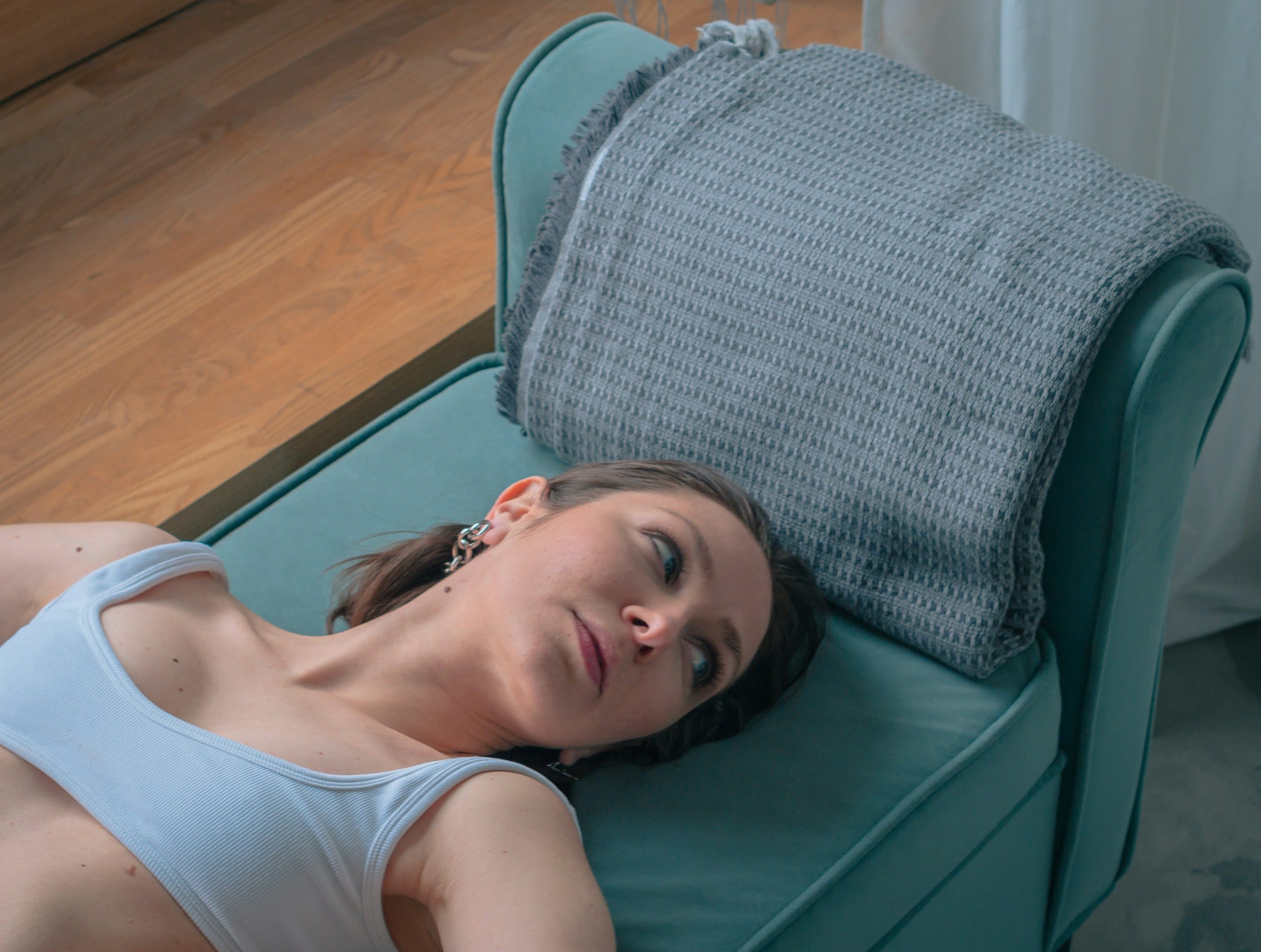
The most useful home remedies for headaches are usually simple, steady habits: staying hydrated, keeping a consistent sleep schedule, using a cold or warm compress, moving your neck gently, and tracking your triggers. These approaches may ease some headaches and migraines, but they are not a substitute for medical care, and certain symptoms need urgent attention (we list them below).
We understand how disruptive a headache can be. It can pull you out of a workday, a family evening, or a morning you had planned. The good news is that there is a lot you can do at home to support yourself, and a clear path forward if home care is not enough.
Key Takeaways
- Hydration, regular sleep, compresses, gentle neck movement, better posture, and trigger tracking are low-risk habits that may help some people with headaches or migraines.
- Magnesium and riboflavin (vitamin B2) are nutrition topics worth discussing with your physician before you start a supplement.
- Sudden, severe, or unusual headaches, or headaches with neurological symptoms, need urgent medical care, not home remedies.
- Upper cervical practitioners hold that irritation at the top of the neck may contribute to some headaches. This is a clinical rationale, not established fact, and it is worth exploring if headaches keep returning.
- Results vary from person to person, and a personal evaluation is the best way to understand your own pattern.
Why Headaches Happen (and Why Home Care Is Worth Trying)
Headaches are not all alike. Tension-type headaches often feel like a band of pressure around the head. Migraines are typically more intense and may come with nausea, sensitivity to light or sound, or visual changes. Some headaches seem to start in the neck and travel upward.
Because the causes can overlap, no single remedy works for everyone. Home care is worth trying because the habits below are generally low-risk and may reduce how often headaches show up or how hard they hit. They also teach you about your own patterns, which is valuable information whether or not you later seek professional care.
Reputable references such as Mayo Clinic and MedlinePlus describe many of these self-care steps as general wellness measures. Think of them as supportive habits, not guaranteed solutions.
Home Remedies for Head Ache: Seven Habits to Try
1. Drink water consistently through the day
Even mild dehydration is thought to be a trigger for headaches in some people. The rationale is straightforward: when your body is low on fluid, it may be more sensitive to the changes that set off head pain.
Rather than gulping a large amount once you feel pain, try sipping steadily from morning on. Keep a bottle where you can see it. If you spend time outdoors in Florida heat, you may need more than you expect. If you have a heart or kidney condition, ask your physician how much fluid is right for you.
2. Keep a consistent sleep schedule
Too little sleep, too much sleep, and irregular sleep are all commonly reported headache triggers. A steady rhythm may help your nervous system stay more predictable.
- Go to bed and wake up at about the same times, including weekends.
- Dim screens and bright lights in the hour before bed.
- Keep your bedroom cool, dark, and quiet.
- Limit caffeine later in the day.
Your pillow and sleep position matter too. If you wake with a stiff neck or a headache at the base of the skull, your sleeping posture may be worth a second look.
3. Try a cold or warm compress
Many people find that a cold pack wrapped in a thin towel and placed on the forehead, temples, or back of the neck feels soothing during a migraine. Cold is thought to dull the sensation of pain and may feel calming when you are sensitive to light and sound.
Warmth works differently. A warm compress, heating pad, or warm shower may relax tight muscles at the neck and shoulders, which can be helpful when a headache feels like tension. Try each and notice which one your body prefers. Use a barrier between the pack and your skin, and limit sessions to about 15 to 20 minutes.
4. Move your neck gently
Long hours at a desk or phone can leave the muscles at the base of the skull tight, and tight muscles there may contribute to tension-type headaches. Gentle movement is aimed at easing that stiffness.
Try these slowly, within a comfortable range:
- Chin nods: Sit tall and gently draw your chin straight back, as if making a small double chin. Hold for a few seconds, then release.
- Slow side-to-side turns: Turn your head to look over one shoulder, pause, then the other.
- Shoulder rolls: Roll your shoulders up, back, and down several times.
Move gently, and stop if anything increases pain, causes dizziness, or sends tingling into your arms. Never force a stretch. If you have had a recent injury, such as a fall or whiplash, check with a clinician before starting neck exercises.
5. Check your posture and workstation
Forward head posture, where the head sits ahead of the shoulders, adds load to the muscles at the back of the neck. Over a long day, that strain may play a role in some headaches.
Small adjustments may help:
- Raise your screen so the top is near eye level.
- Keep your elbows close to your sides and your feet flat.
- Hold your phone up closer to eye level instead of looking down.
- Stand, stretch, and look away from the screen every 30 to 45 minutes.
You can learn more about how alignment and habits fit together on our posture page.
6. Track your triggers
A headache diary is one of the most practical tools you have. For a few weeks, note:
- The date, time, and how long the headache lasted
- Pain location and intensity
- Sleep the night before
- Meals, caffeine, and alcohol
- Stress level, weather changes, and screen time
- For women, where you are in your menstrual cycle
Common triggers reported by many people include skipped meals, certain foods, strong scents, stress, and bright light. Patterns often show up that you would not notice otherwise. A diary also gives your physician or clinician something concrete to work from.
7. Ask your physician about magnesium and riboflavin
Magnesium and riboflavin (vitamin B2) are often mentioned in conversations about migraine and nutrition. The general idea is that both play roles in how cells produce and use energy, and some researchers have explored whether low levels may relate to migraine in certain people. Research is still developing, and what works for one person may not for another.
Because supplements are not risk-free, this is a topic to discuss with your physician or pharmacist before you begin. Magnesium can cause digestive upset in some people, and it may interact with certain medications or be a concern if you have kidney problems. Food sources, such as leafy greens, nuts, seeds, beans, eggs, and dairy, are another place to start. The National Institutes of Health offers general nutrition information if you want to read more.
A Word of Caution About Frequent Pain Relievers
Over-the-counter pain relievers can be appropriate for occasional headaches. However, taking them often, generally more than a couple of days per week, may lead to what is called medication-overuse headache, where the headaches become more frequent. If you find yourself reaching for pain relievers regularly, talk with your physician. Do not stop prescribed medication without medical guidance.
When Home Remedies Are Not Enough: Red Flags That Need Urgent Care
Most headaches are not dangerous, but some are a sign of something serious. Call 911 or go to the nearest emergency department if you have:
- A sudden, explosive headache that reaches peak intensity within seconds to a minute (often described as the worst headache of your life)
- Headache with fever, stiff neck, rash, or confusion
- Headache after a blow to the head, a fall, or a car accident
- Weakness, numbness, or drooping on one side of the body
- Trouble speaking, understanding speech, or sudden vision loss
- Seizure or fainting
- A new, different headache pattern if you are over 50, pregnant, or have a weakened immune system or cancer history
Also contact a physician promptly if headaches are steadily getting worse, wake you from sleep, or are triggered by coughing, straining, or exercise. These are signs to be evaluated, not managed at home.
Beyond Home Care: How Upper Cervical Care Looks at the Neck
If you have been consistent with these habits and headaches keep returning, it may be time to look at the bigger picture. That includes the top of your neck, where the skull meets the first two vertebrae.
Upper cervical practitioners hold that irritation or misalignment at this junction may contribute to some headaches, by affecting nearby muscles, joints, and nerve signaling. This is a clinical rationale, not established fact, and it will not apply to every headache. Many factors can be involved, which is exactly why a careful evaluation matters.
At Atlas Injury to Health, upper cervical care begins with understanding your history and your specific pattern. Our precision approach includes Atlas Orthogonal, a gentle, low-force upper cervical technique. Our advanced diagnostics help our clinical team examine the structure of your upper neck so that care is built around your own evaluation, not a one-size-fits-all routine. Whether it is a good fit for you is something we determine together after that evaluation, and we will tell you if we believe another type of provider should be involved.
If your main concern is recurring migraine, you can read more on our migraines page. If your headaches are more tension-related or ongoing, our headaches page may also be helpful.
What to Expect From a Consultation
A consultation is a conversation first. You can expect your clinician to:
- Ask about your headache history, triggers, and any past diagnoses
- Review what you have already tried, including your headache diary if you have one
- Perform an exam, and use advanced diagnostics where appropriate
- Explain what they find in plain language, and talk through your options at a pace that works for you
There is no pressure to decide on anything that day. Your care journey should feel clear and collaborative.
Putting It All Together
Home remedies for head ache will not look the same for everyone. A reasonable approach is to choose two or three habits, such as steady hydration, a consistent bedtime, and a trigger diary, and practice them for several weeks before judging how they work for you. Add others gradually.
Along the way, stay alert to the red flags above, and do not hesitate to get medical care when something feels different or severe. Self-care and professional guidance are partners, not competitors.
Frequently Asked Questions
What are the best home remedies for headaches?
There is no single best option, because headaches have different causes. Commonly used approaches include drinking water regularly, keeping a consistent sleep schedule, applying a cold or warm compress, gentle neck movement, improving posture, and tracking triggers. These are thought to support the body and may help some people, but results vary.
Can home remedies help with migraines?
Some of the same habits, such as regular sleep, hydration, and trigger tracking, may help some people with migraines. A cold compress and a dark, quiet room are also commonly used during an episode. Migraines can be complex, so if they are frequent or disabling, see a physician for a full evaluation.
Should I take magnesium or riboflavin for headaches?
Both are discussed in general nutrition conversations about migraine, but research is still developing and supplements are not right for everyone. Talk with your physician or pharmacist first, especially if you take medications, are pregnant, or have kidney concerns.
When should I go to the emergency room for a headache?
Seek emergency care for a sudden, severe headache, or a headache with fever and stiff neck, confusion, weakness, numbness, trouble speaking, vision loss, or seizure. A headache after a head injury also needs prompt evaluation. When in doubt, get checked.
Can the neck play a role in headaches?
Upper cervical practitioners hold that irritation at the top of the neck may contribute to some headaches. This is a clinical rationale rather than a settled conclusion, and it does not apply to every headache. A personal evaluation can help determine whether the neck is worth a closer look in your case.
Take the Next Step When You're Ready
If headaches or migraines keep interrupting your life, you do not have to sort it out alone. We invite you to schedule a consultation at our Winter Garden or Ocala clinic, where our clinical team will listen to your story, look closely at your upper neck, and help you explore your options.
Ready to take the next step?
Schedule a consultation to see how Atlas can help you.
Schedule a Consultation