
Atlas (C1) Misalignment: Common Signs and What They Can Mean
Written & medically reviewed by Dr. Michael St. Louis, D.C.
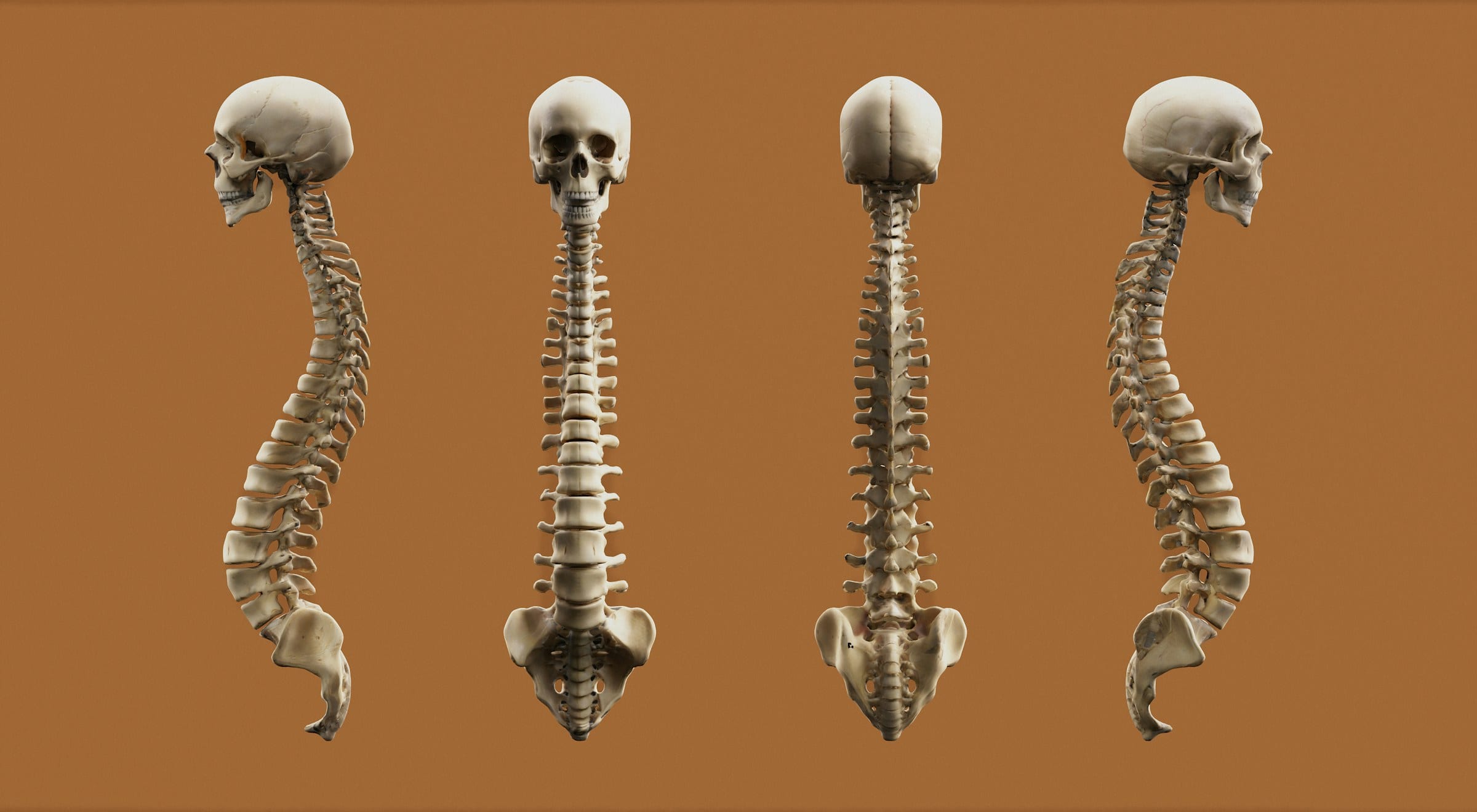
Atlas misalignment symptoms can include headaches, neck stiffness, dizziness or balance changes, jaw tension, and uneven shoulders or hips — signs that the top vertebra in your spine may not be sitting in its ideal position. Because the atlas (C1) sits at the junction where your skull meets your spine and houses passageways for nerves and blood vessels, even a small shift in its position is believed by upper cervical practitioners to influence how the rest of your body functions.
This guide walks through what the atlas is, the symptom patterns practitioners watch for, and how instrument-guided approaches like Atlas Orthogonal evaluate this area differently than other forms of upper cervical care.
Key Takeaways
- The atlas (C1) is the topmost vertebra, supporting the skull and surrounding the brainstem and upper spinal cord — its position matters for overall spinal mechanics.
- Common atlas misalignment symptoms include headaches, neck and shoulder tension, balance or vertigo-like sensations, jaw discomfort, and postural asymmetry.
- Upper cervical practitioners hold that atlas positioning may influence nerve communication and musculoskeletal balance, though this is a clinical rationale, not an established cause-and-effect finding.
- Atlas Orthogonal uses advanced diagnostics and an instrument-guided, low-force approach to evaluate and address the atlas, differing from other upper cervical methods.
- A qualified provider should always assess your specific symptoms before you draw conclusions about their cause — many conditions share overlapping signs.
What the Atlas (C1) Vertebra Does
The atlas is the first cervical vertebra, named for the Greek figure who held up the sky, because it carries the full weight of your head — roughly 10 to 12 pounds for most adults. It sits directly beneath the skull and above the axis (C2), forming a highly mobile joint that allows you to nod and rotate your head.
Unlike the vertebrae below it, the atlas has no disc and a unique ring-like shape. This design gives it tremendous range of motion, but it also means the surrounding muscles and ligaments do most of the work to keep it balanced and stable. The brainstem passes through this region, along with nerve pathways and blood vessels that travel to and from the head. Upper cervical practitioners pay close attention to this area because of its proximity to these structures — not because misalignment here has been shown to directly cause disease, but because postural and mechanical changes in this small joint are thought to influence how comfortably the rest of the spine and nervous system function.
Common Atlas Misalignment Symptoms to Recognize
No single symptom confirms an atlas misalignment on its own. Instead, practitioners look for a cluster of signs that tend to appear together, often without an obvious injury or explanation.
Head and Neck Symptoms
- Recurring headaches, including tension-type patterns or migraine-like episodes
- Neck stiffness or a reduced ability to turn your head comfortably
- A feeling of tightness at the base of the skull
Balance and Sensory Changes
- Dizziness or a sense of unsteadiness, sometimes described as vertigo
- Ringing or fullness in the ears
- Sensitivity to light or difficulty concentrating
Postural and Musculoskeletal Signs
- One shoulder or hip appearing higher than the other
- Uneven leg length noticed by a provider during an evaluation
- Chronic low back or hip discomfort that doesn't resolve with localized care
Jaw and Facial Tension
- Jaw clicking, tightness, or discomfort consistent with TMJ-related patterns
- Facial tension or pressure that radiates from the neck upward
Because these symptoms overlap with many other conditions — inner ear disorders, muscular strain, disc issues, and more — they're a starting point for a conversation with a provider, not a self-diagnosis checklist.
Why These Symptoms Can Show Up Together
Upper cervical practitioners hold that because the atlas supports the skull and sits so close to the brainstem, a shift in its position may place uneven stress on surrounding muscles, joints, and nerve pathways. This is a clinical rationale used to guide care, not a settled scientific explanation, and researchers continue to study how upper cervical positioning relates to broader symptoms.
What's observed in practice is that patients reporting headaches, neck pain, or vertigo often describe several of these signs at once rather than in isolation. That pattern is part of why a thorough evaluation — rather than treating each symptom separately — is central to upper cervical care. It's also why conditions like migraines are frequently discussed alongside atlas positioning, even though migraines have multiple recognized triggers and causes that extend well beyond the neck.
What Can Contribute to Atlas Misalignment
Several everyday events are commonly discussed as contributors to changes in atlas positioning:
- Whiplash or car accidents — sudden force through the neck, even at low speeds, can affect this joint.
- Falls or sports collisions — impacts to the head or shoulders can transfer stress upward or downward through the cervical spine.
- Repetitive poor posture — prolonged forward head posture from screen use can gradually affect neck mechanics.
- Birth trauma — some practitioners note that the birthing process can place stress on an infant's upper neck.
If you've experienced a car accident or whiplash, it's worth having your upper cervical alignment evaluated as part of a broader assessment, even if symptoms seem to resolve on their own initially.
How Atlas Orthogonal Differs From Other Upper Cervical Methods
Some forms of upper cervical care involve a direct, hands-on rotational thrust to the neck. Atlas Orthogonal takes a different approach, relying on precision rather than force.
Here's what sets it apart:
- Advanced diagnostics first. Before any adjustment, precise imaging is used to measure the exact angle and direction of the atlas relative to the skull and the rest of the spine.
- Instrument-guided delivery. Rather than a manual twist, a small handheld instrument delivers a gentle, calculated pulse of energy, with no rotation of the neck involved.
- Individualized correction. Because the correction is based on each patient's own measurements, the degree and direction are built around your own evaluation rather than a one-size-fits-all technique.
This method was developed to address the atlas with a level of precision that's difficult to achieve by hand. Atlas Orthogonal is a recognized board-certified specialty within chiropractic care — a fact about the technique itself, not a credential held by any individual provider. Dr. St. Louis trained directly under Dr. Roy Sweat, the originator of the Atlas Orthogonal technique, which shapes how our clinical approach to this evaluation is delivered at Atlas Injury to Health.
You can learn more about the technique, how sessions are structured, and what the imaging process involves on our Atlas Orthogonal service page.
What to Expect During an Upper Cervical Evaluation
If you're exploring care for atlas-related symptoms, a thorough evaluation typically includes:
- A detailed health history, including any past injuries, accidents, or chronic symptom patterns
- A postural and range-of-motion assessment
- Advanced diagnostic imaging to measure the precise position of the atlas
- A discussion of findings and what a care plan built around your own results might involve
This process is designed to confirm whether an atlas misalignment is a relevant factor for you at all — not every headache or balance concern is related to upper cervical positioning, and a responsible provider will tell you so.
When to Seek a Professional Evaluation
Consider scheduling an evaluation if you notice:
- Headaches or neck stiffness that persist for weeks without explanation
- Balance changes or dizziness that occur without a clear inner-ear diagnosis
- Postural asymmetry noticed by yourself, a provider, or a massage therapist
- Lingering symptoms following a car accident, fall, or sports injury
Organizations such as the American Chiropractic Association and MedlinePlus offer general background on cervical spine health and when to see a provider. If your symptoms include sudden severe headache, vision changes, numbness, or weakness, seek immediate medical attention rather than upper cervical care alone.
Frequently Asked Questions
What are the most common atlas misalignment symptoms?
The most frequently reported atlas misalignment symptoms include headaches, neck stiffness, dizziness or balance changes, jaw tension, and postural asymmetry such as uneven shoulders or hips. These symptoms often appear in combination rather than alone, which is part of why a full evaluation matters more than focusing on a single sign.
Can an atlas misalignment cause vertigo or dizziness?
Some patients with balance concerns also report neck tension or a history of head or neck trauma, and upper cervical practitioners hold that atlas positioning may play a role in some of these cases. However, vertigo has many potential causes, including inner-ear conditions, and should be evaluated by a qualified provider to rule out other explanations.
How is an atlas misalignment diagnosed?
Providers trained in upper cervical care typically use advanced diagnostics, including precise imaging, to assess the position and angle of the atlas relative to the skull and spine. This is paired with a postural exam and a review of your symptom history to determine whether your presentation is consistent with an upper cervical concern.
Does Atlas Orthogonal involve forceful twisting of the neck?
No. Atlas Orthogonal uses an instrument-guided, low-force approach rather than a manual twisting motion. Most patients describe the sensation as a light tap or pulse, with no rotation of the neck involved, which distinguishes it from some other forms of upper cervical care.
How long does it take to notice changes after upper cervical care?
Every patient's care journey is different, and timelines vary based on your history, the duration of your symptoms, and your overall health. Your provider can discuss realistic expectations with you based on your own evaluation and diagnostic findings, rather than a generalized timeline.
Taking the Next Step
If you've noticed a pattern of headaches, neck stiffness, balance changes, or jaw tension, and haven't found a clear explanation, an upper cervical evaluation can help you understand whether your atlas positioning is a relevant piece of the picture. At Atlas Injury to Health, our clinical team uses advanced diagnostics and the Atlas Orthogonal approach to build care around your own evaluation — not a generic protocol.
Schedule a consultation at our Winter Garden or Ocala location to explore your options and take the next step in understanding your symptoms.
Ready to take the next step?
Schedule a consultation to see how Atlas can help you.
Schedule a Consultation